The History of the Sibley Tent: From Military Innovation to Modern Glamping Icon
For more than 150 years, the Sibley tent has remained one of the most recognisable and enduring tent designs in the world. Originally developed for military expeditions and inspired by Indigenous shelters, the Sibley tent has evolved into the modern bell tent loved by campers, glampers, adventurers and outdoor romantics across Australia.
Today, at Breathe Bell Tents Australia, the legacy of the original Sibley tent lives on through beautifully crafted canvas bell tents designed for Australian adventures, backyard escapes, glamping businesses and unforgettable outdoor experiences.
Who Invented the Sibley Tent?
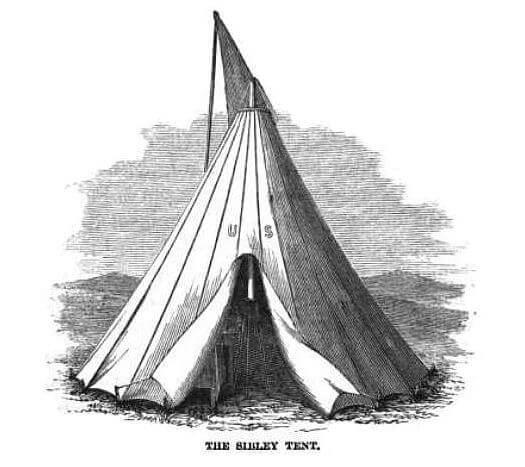
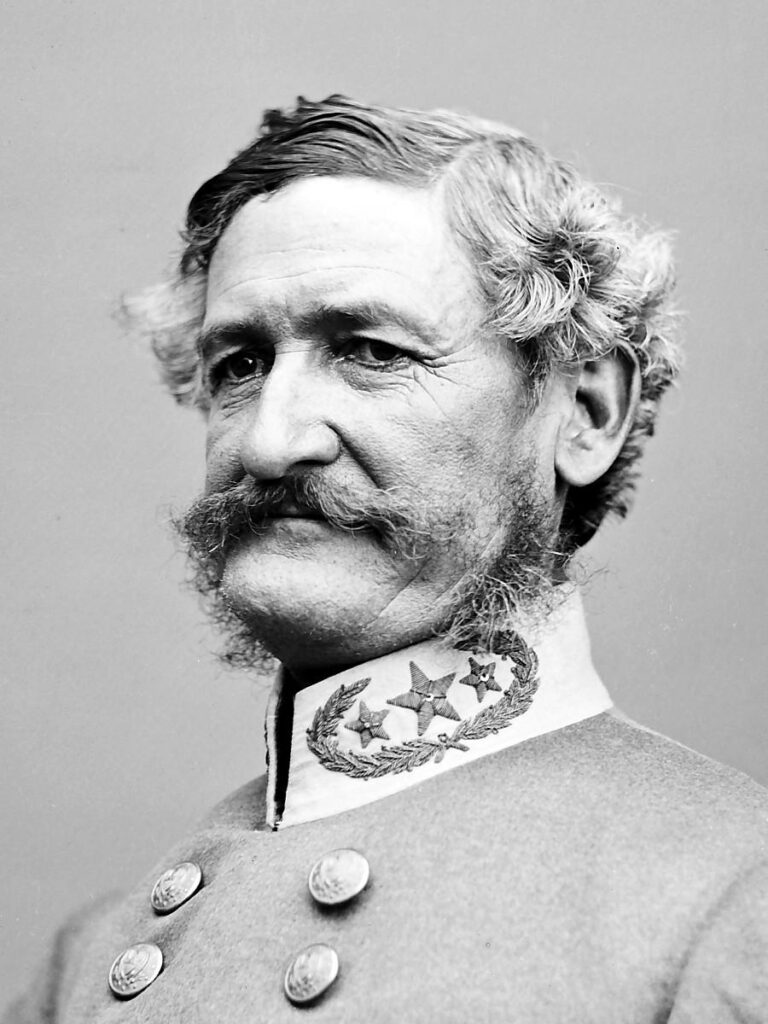
The Sibley tent was invented by Henry Hopkins Sibley, an officer in the United States Army during the mid-1800s.
While stationed on the Texas frontier during the 1850s, Sibley observed the practicality and weather resistance of Native American tipis used by Plains tribes, particularly the Comanche people. Inspired by their conical shape and efficient design, he adapted the concept into a more transportable military shelter.
Sibley patented his conical tent design in 1856, creating what became known as the “Sibley Tent.” The design was revolutionary for its time because it was:
- Easy to transport
- Fast to pitch
- Stable in wind and rain
- Spacious yet lightweight
- Efficient for heating and ventilation
Unlike many earlier military tents, the Sibley design used a single centre pole rather than multiple support poles, dramatically simplifying setup and reducing pack size.
The Influence of the Native American Tipi

For centuries, conical shelters had already been used by cultures around the Northern Hemisphere, including Native American tribes, Scandinavian Sami communities using Lavvu shelters, and other nomadic groups. These structures shared several advantages:
- Excellent wind resistance
- Efficient heat circulation
- Strong structural integrity
- Quick assembly
- Minimal materials required
Sibley recognised that the cone shape was one of the most efficient forms ever created for temporary shelter. By adapting these concepts into a military-ready canvas tent, he created a design that would eventually influence modern bell tents around the world.
The Sibley Tent in Military History

The Sibley tent quickly became a military staple.
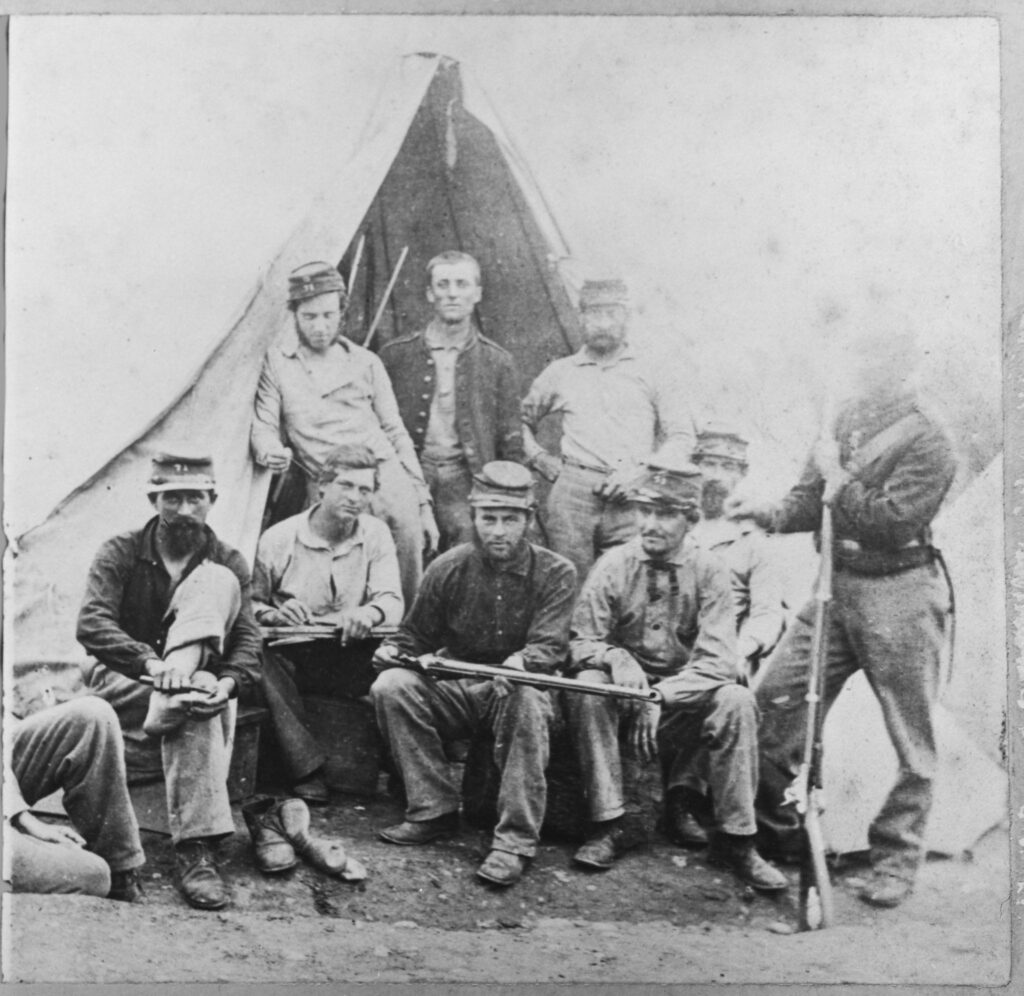
The United States Army adopted the design during the Utah Expedition of 1857–1858, where it proved highly practical in harsh outdoor conditions. During the American Civil War, nearly 44,000 Sibley tents were produced and used extensively by Union troops.
The British Army also embraced similar bell-style tents, and the design became deeply embedded in military life across Europe and Australia.
In Australia, Sibley-style bell tents became strongly associated with the ANZACS and World War I. Historical photographs show extensive use of canvas bell tents throughout military camps, training grounds and wartime encampments from the late 1800s through to the 1940s.
The canvas bell tent became part of Australia’s outdoor heritage — used by soldiers, pioneers, engineers and travellers across rugged Australian landscapes.

What Made the Original Sibley Tent Different?
The original Sibley tent differed slightly from the modern bell tents we know today.
Traditional Sibley tents typically featured:
- A conical canvas shape
- One central support pole
- No side walls
- A smoke vent at the top
- A low entrance
- A fire pit or stove inside
- Pegs around the base instead of guy ropes
The design was practical for military life because a small fire could be safely used inside the tent for warmth and cooking. Ventilation through the top cap allowed smoke to escape regardless of wind direction.
Over time, the British-style bell tent evolved further by introducing:
- Side walls for more headroom
- Guy ropes for added stability
- Larger entrances
- Improved airflow
- Better livability for long-term camping
These refinements paved the way for the modern luxury canvas bell tent.
The Evolution Into the Modern Bell Tent

Although the core design has remained remarkably similar for over 150 years, modern bell tents have evolved dramatically in comfort, durability and functionality.
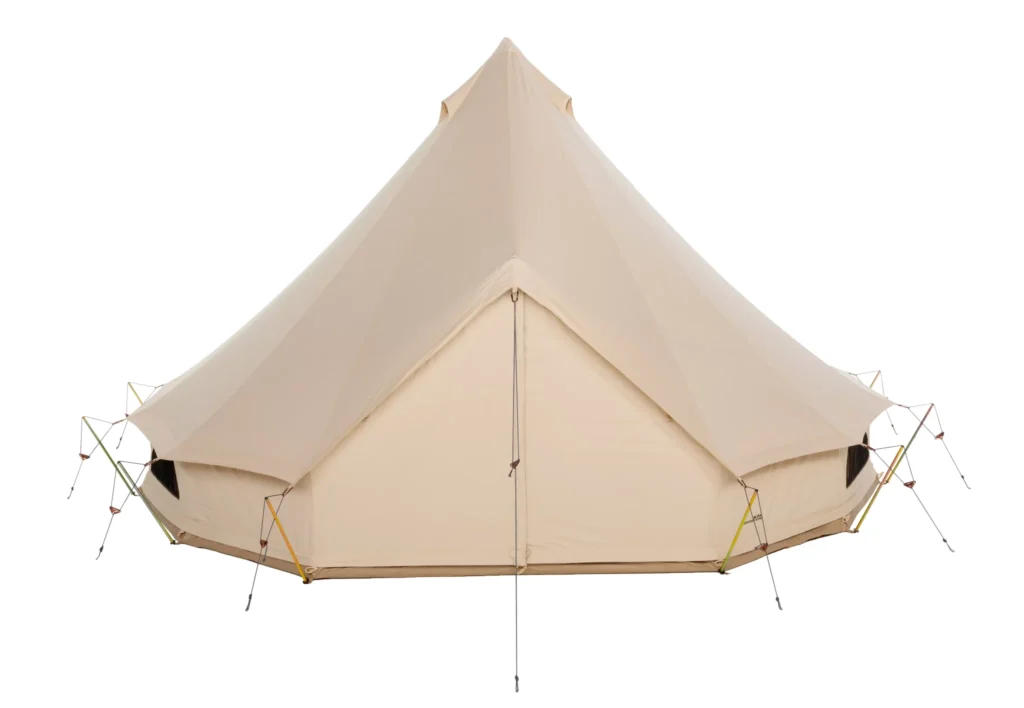
Today’s premium canvas bell tents feature:
- Heavy-duty waterproof canvas
- Zippered groundsheets
- Mesh windows and doors
- Improved ventilation systems
- Stove jack compatibility
- Reinforced guy ropes
- Weather-resistant coatings
- Spacious interiors for furniture and styling
The enduring genius of the Sibley design is that it still works exceptionally well in modern camping conditions. The conical structure naturally sheds wind and rain, while the central pole creates an open, spacious interior that feels both practical and luxurious.
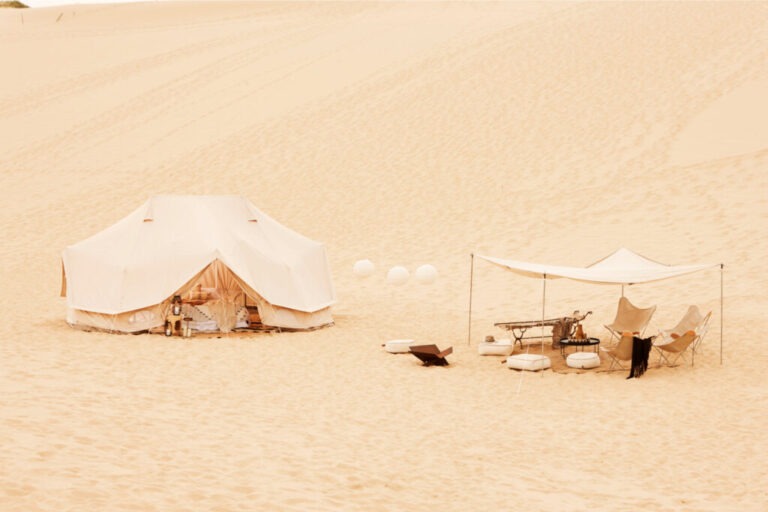
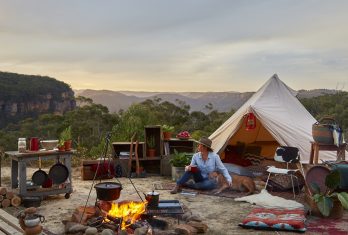
Modern bell tents have become the centrepiece of the global glamping movement, used for:
- Luxury camping
- Backyard stays
- Weddings and events
- Eco accommodation
- Wellness retreats
- Festivals
- Family adventures
- Long-term off-grid living
Why Australians Love Bell Tents
Australia’s climate and outdoor lifestyle make canvas bell tents especially appealing.
The breathable cotton canvas performs exceptionally well in Australian conditions, helping regulate temperature naturally in both hot and cool weather. The spacious interiors also suit families, couples and glamping setups perfectly.
At Breathe Bell Tents Australia, the focus has always been on combining timeless design with practical outdoor living for Australian campers.
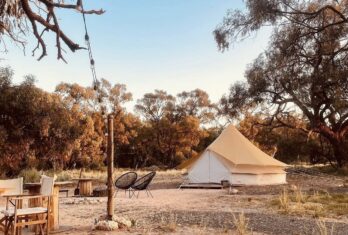
From coastal escapes and bush camping to luxury glamping sites and backyard sleepovers, the modern Sibley bell tent has become a symbol of freedom, adventure and connection with nature.
As Breathe Bell Tents explains in its own story, these tents represent “a rich history spanning continents, wars and civil use.”
Why the Sibley Tent Design Has Stood the Test of Time
Very few product designs survive virtually unchanged for more than a century.
The Sibley tent continues to thrive because it solves so many outdoor challenges elegantly and simply:
1. Exceptional Stability
The conical shape distributes wind pressure evenly, making bell tents highly stable in rough weather.
2. Simple Setup
One centre pole and tensioned guy ropes allow quick pitching, often by one person.
3. Spacious Interiors
The circular floor plan creates usable living space without awkward corners.
4. Natural Ventilation
Canvas breathes naturally, helping reduce condensation.
5. Timeless Aesthetic
Bell tents combine practicality with a classic, romantic appearance that never goes out of style.
The Sibley Tent Legacy Lives On

What began as a practical adaptation of Indigenous shelter design became one of the world’s most influential tent styles — and today, it remains as relevant as ever.
The modern bell tent is more than just a tent. It represents simplicity, craftsmanship, adventure and a slower, more connected way of living outdoors.
At Breathe Bell Tents Australia, that legacy continues with premium canvas bell tents inspired by over 150 years of outdoor history and designed for modern Australian adventures.
Explore Canvas Bell Tents in Australia
Whether you’re planning a glamping retreat, family camping trip, festival setup or backyard escape, a canvas bell tent offers timeless style and practical comfort rooted in one of history’s greatest shelter designs.
Explore the full range at: