How to Remove Mould From a Bell Tent (Sibley Tent) and Re-Waterproof the Canvas
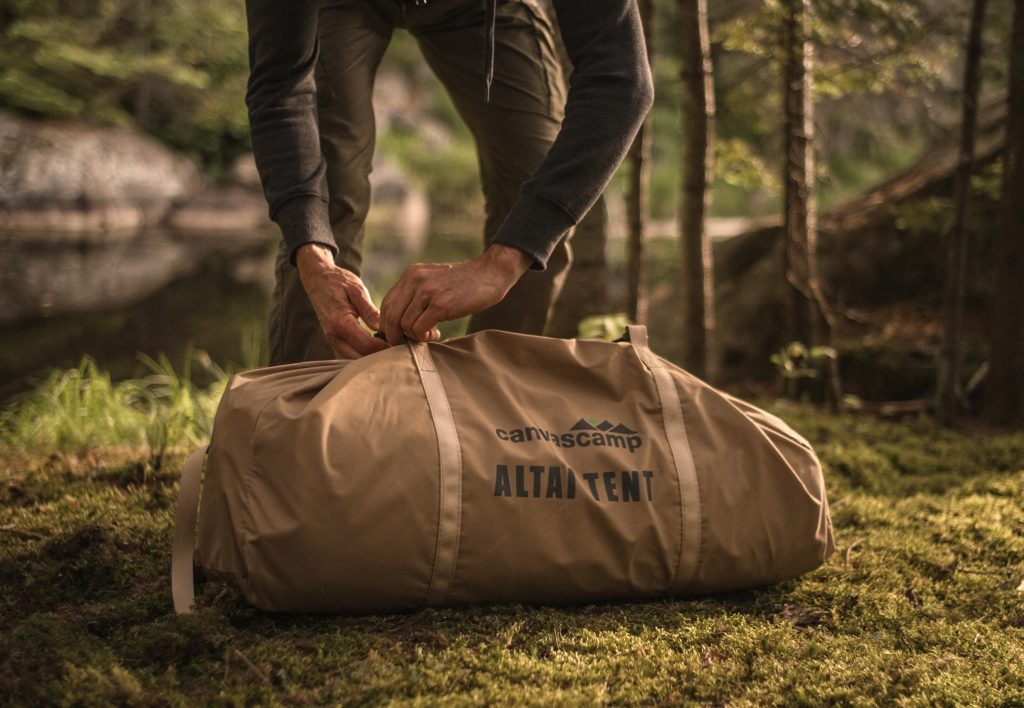
Bell tents and Sibley tents are typically made from cotton canvas, a breathable and durable material designed for long-term outdoor use. However, like any natural fibre, canvas can develop mould if it is packed away damp or stored in humid conditions.
The good news is that most mould problems can be cleaned and the tent can be fully restored with proper waterproofing afterwards. This guide explains how to safely remove mould and re-waterproof your bell tent using products available in Australia.

Why Mould Appears on Canvas Tents
Mould grows when moisture, warmth and organic material combine. Canvas tents are particularly vulnerable if they are:
-
Packed away wet after camping
-
Stored in humid garages or sheds
-
Left dirty after use
-
Exposed to prolonged damp weather
Cotton canvas also retains moisture longer than synthetic fabrics, which is why drying the tent thoroughly after every trip is critical.
Step 1: Set Up the Tent to Dry
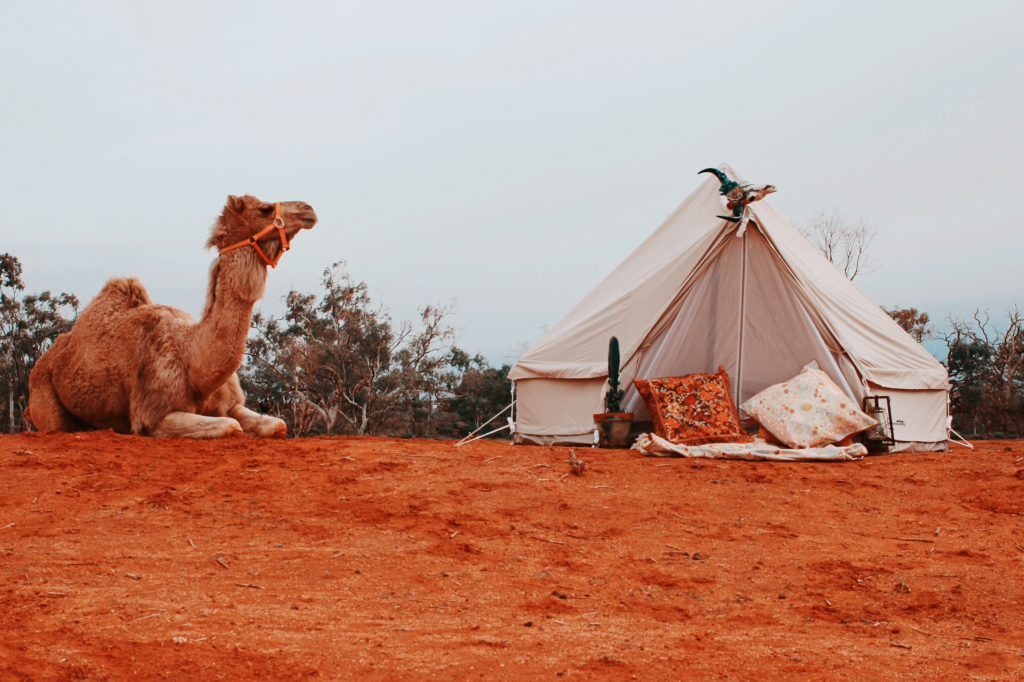
Before cleaning mould, fully pitch the tent outdoors in a sunny, well-ventilated area.
Sunlight and fresh air help kill mould spores and dry the canvas. Many campers report that direct sunlight alone can stop mould growth, especially when combined with cleaning.
Tips:
-
Avoid cleaning the tent while packed or folded
-
Brush off loose dirt or dried mould with a soft brush
-
Make sure the canvas is completely dry before the next step
Step 2: Remove Mould From the Canvas
When treating mould on canvas, it’s important not to use harsh chemicals like bleach, which can damage cotton fibres and strip waterproof coatings.
Gentle Cleaning Method
-
Mix a mild cleaning solution such as:
-
White vinegar diluted with water (about 10%)
-
Warm water with salt or lemon
-
-
Spray the affected areas lightly.
-
Leave it to soak for around 10–30 minutes.
-
Gently scrub with a soft brush or sponge.
-
Rinse with clean water.
-
Allow the tent to dry completely in the sun.
Many campers report success using diluted vinegar solutions because they kill mould while remaining relatively gentle on fabric.
⚠️ Avoid:
-
Pressure washers
-
Strong detergents
-
Bleach or chlorine cleaners
These can weaken canvas fibres and remove waterproof coatings.

Step 3: Let the Tent Dry Completely
This step is critical.
Even small amounts of moisture trapped in canvas can cause mould to return quickly.
-
Leave the tent pitched for at least 24 hours after cleaning.
-
Ensure seams, guy points and folds are completely dry.
Once dry, you’re ready to restore the tent’s waterproofing.
Why Re-Waterproofing Is Important
Cleaning mould almost always removes some of the original waterproof treatment from canvas.
Reproofing the canvas restores its ability to repel rain and also helps protect against mildew, UV damage and water absorption.
Most waterproofing treatments penetrate the fibres of the canvas rather than simply coating the surface.
Step 4: Re-Waterproof Your Bell Tent
After cleaning and drying the tent, apply a canvas waterproofing treatment.
Typical application process:
-
Ensure the canvas is clean and fully dry
-
Apply waterproofing with a brush, sponge, roller or sprayer
-
Focus on seams and high-wear areas
-
Allow the treatment to dry for 24 hours before rain exposure
Most products cover around 5–6 square metres per litre, depending on the canvas thickness.

Canvas Waterproofing Products Available in Australia
Below are several waterproofing treatments commonly used for canvas tents.
Dynaproof Waterproofing Treatment
-
Restores water, UV and mildew resistance
-
Water-based formula that penetrates canvas fibres
-
Coverage approx. 5m² per litre
Good for:
-
Bell tents
-
Swags
-
Camper trailer canvas

Dwights Canvas Waterproofing
-
Designed for tents, awnings and canvas covers
-
Easy brush or roller application
-
Maintains waterproofing and prevents mildew
Coverage:
-
About 5–6m² per litre.
Canvas Magic Waterproofer
-
Ready-to-use formula (no dilution required)
-
Brush directly onto the outside of canvas
-
Often used after mould cleaning treatments
Coverage:
-
Around 5m² per litre.
Paskal Proofcoat
-
Heavy-duty wax-based waterproofing compound
-
Contains fungicide to resist mildew growth
-
Suitable for tents, tarps and canvas covers
OZtrail Aqua Proof
-
Australian-made waterproofing treatment
-
Designed specifically for canvas tents and awnings
-
Long-lasting protective coating

Tips to Prevent Mould in Your Bell Tent
Proper maintenance will prevent mould returning.
Always dry before packing
Never store a damp tent.
Store in a breathable bag
Avoid sealed plastic containers.
Clean after long trips
Dirt and organic matter encourage mould growth.
Reproof every few years
Heavy rain, UV exposure and cleaning can gradually remove waterproofing.

Final Thoughts
Mould on a bell tent can look alarming, but it’s usually fixable. With the right cleaning method and a good waterproofing treatment, most canvas tents can be restored to near-new condition.
The key steps are simple:
-
Dry the tent completely
-
Clean mould gently without harsh chemicals
-
Allow the canvas to dry fully
-
Re-waterproof the fabric
With proper care, a quality cotton canvas bell tent can last 10–20 years or more.