The History of the Bell Tent: From Sibley Design to ANZAC Legacy
Bell tents are more than just a beautiful way to camp—they are a piece of living history.
From their origins in 19th-century military innovation to their use by Australian soldiers, engineers, and scouting groups, the bell tent (also known as the Sibley tent) has played a quiet but important role in shaping outdoor life.
As Anzac Day approaches, it’s a meaningful time to reflect on how these iconic canvas shelters connect us not only to nature—but also to Australia’s past.
The Origins: The Sibley Tent
The bell tent design dates back to 1858, when American army officer Henry Hopkins Sibley introduced what became known as the Sibley tent.
Inspired by the tipis used by Native American tribes, Sibley adapted the design into a practical military shelter.
Key features included:
-
A single central pole
-
A circular footprint
-
Sloping canvas walls for weather resistance
-
A top vent for airflow and smoke
The design was simple, portable, and highly effective—making it ideal for military use.
It was soon adopted by armies around the world, including British forces, and eventually became standard issue across many parts of the British Empire.
Bell Tents in Early Australian History
As British military traditions influenced colonial Australia, bell tents became a familiar sight across the country.
They were widely used in:
-
Military camps
-
Remote expeditions
-
Early infrastructure projects
-
Temporary settlements
Australia’s harsh and varied climate made durable, breathable canvas shelters essential. Bell tents proved to be well suited to these conditions.
Bell Tents and the ANZACs
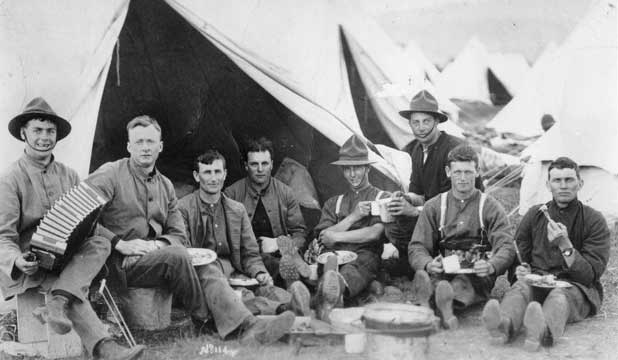
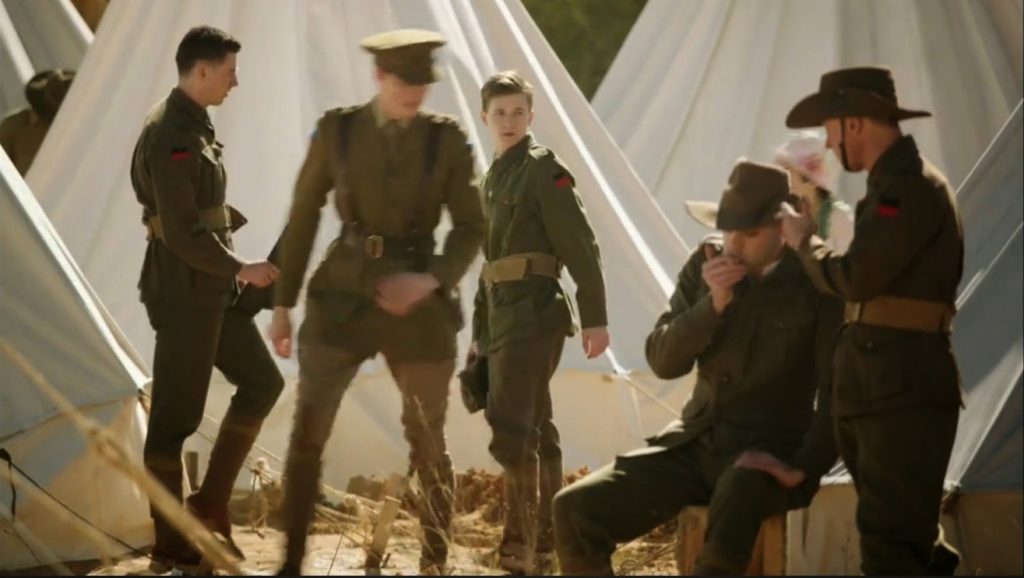
During World War I, bell tents played a significant role in the daily lives of Australian soldiers.
Members of the Australian and New Zealand Army Corps used canvas tents in training camps across Australia, Egypt, and other parts of the world.
These tents provided:
-
Shelter in harsh environments
-
Protection from sun, wind and rain
-
A place for rest, recovery and camaraderie
While conditions were often basic, these tents became part of the shared experience of service life.
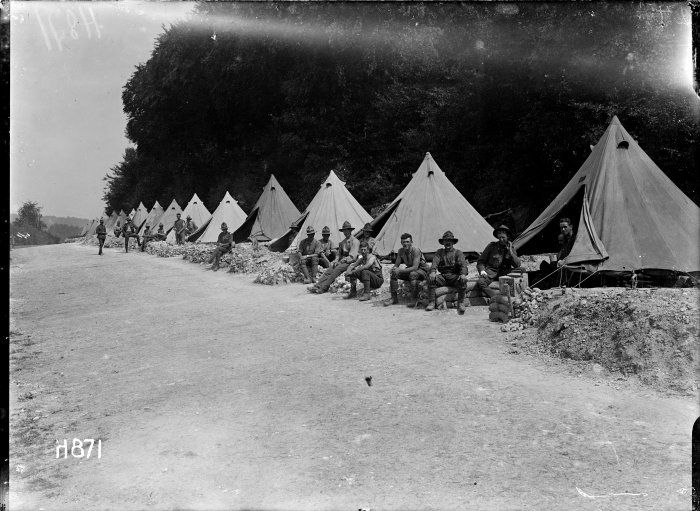
In training camps—particularly in Egypt before the Gallipoli campaign—rows of bell tents stretched across the desert landscape, forming temporary communities of soldiers preparing for war.
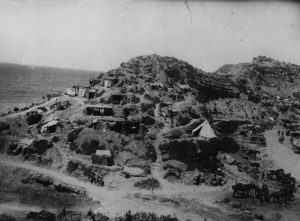
Life Under Canvas
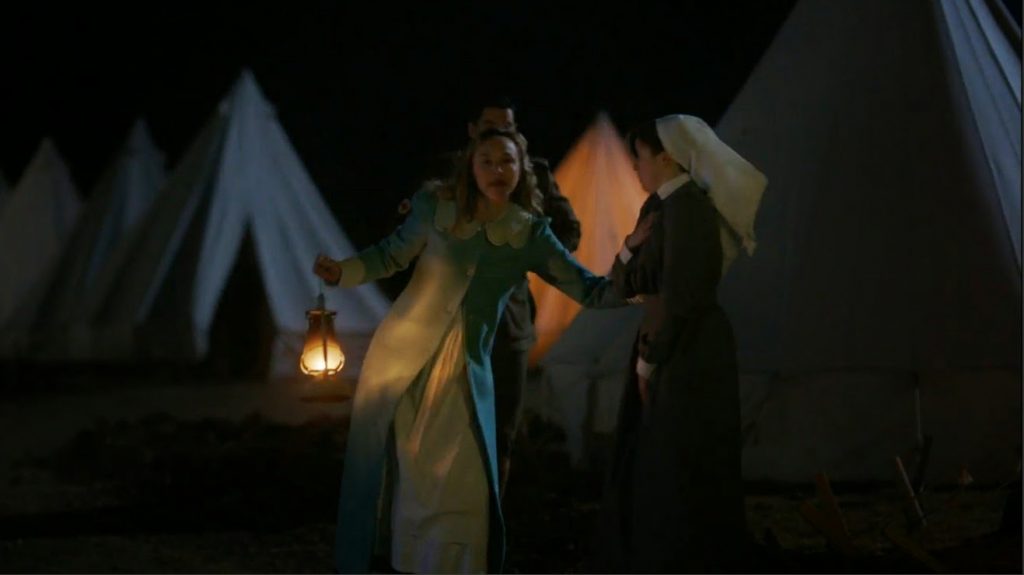
For many soldiers, life in a bell tent was far from comfortable.
Conditions could include:
-
Extreme heat during the day
-
Cold nights
-
Limited space shared between multiple men
-
Dust, mud and exposure to the elements
And yet, these tents also became spaces of:
-
Friendship and bonding
-
Storytelling and letters home
-
Moments of rest between long days
They were not just shelters—they were part of the emotional landscape of wartime life.
As we approach Anzac Day, it’s worth remembering these everyday experiences that shaped the lives of those who served.
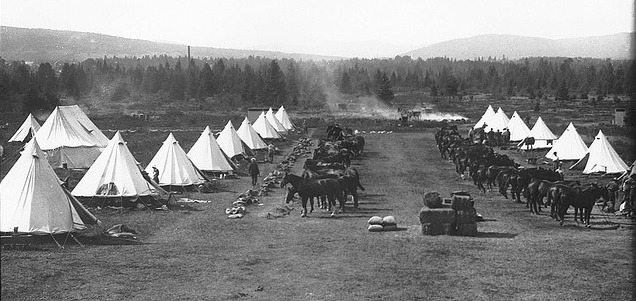
Bell Tents and Australia’s Early Infrastructure
Beyond military use, bell tents played an important role in building Australia itself.
In the late 19th and early 20th centuries, engineers, surveyors, and labourers relied on canvas tents while working in remote regions.
They were used during:
-
Road construction projects
-
Railway expansion
-
Land surveying expeditions
-
Agricultural development
These workers often lived for extended periods in temporary camps, moving as projects progressed.
Bell tents offered a practical solution:
-
Easy to transport
-
Quick to set up
-
Durable in tough conditions
They became part of the rugged, pioneering spirit that helped shape modern Australia.
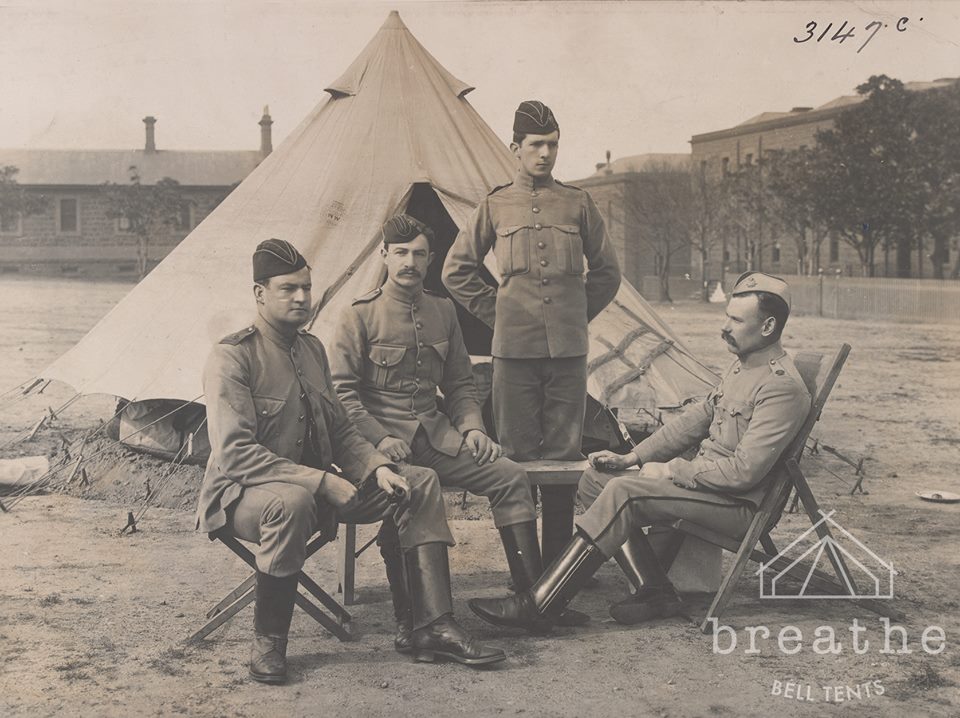
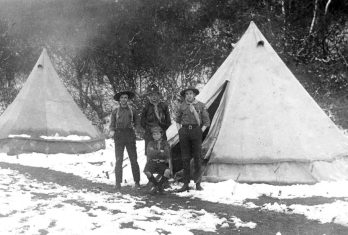
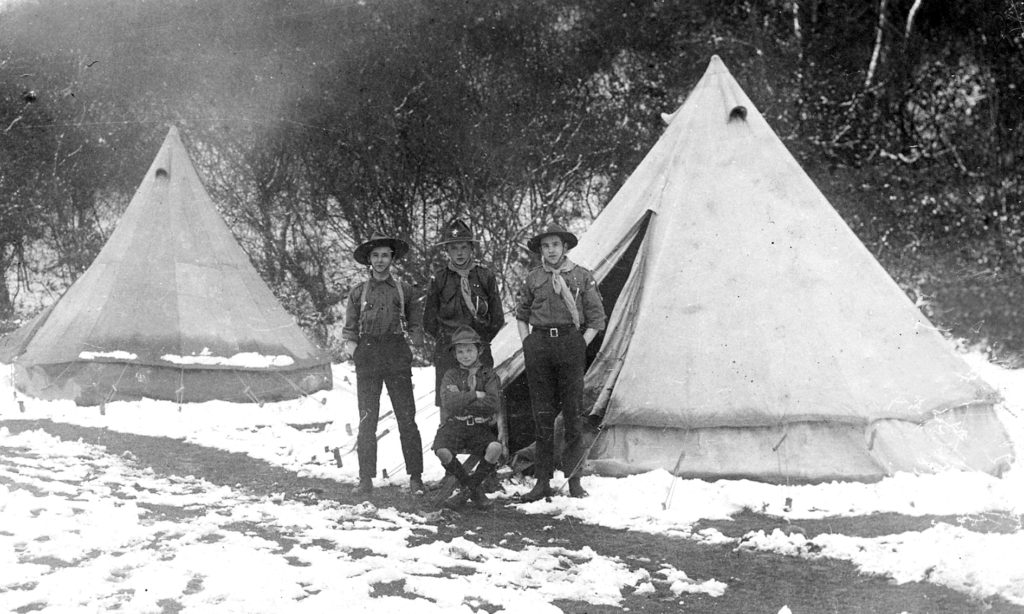
Bell Tents in Scouting History
Bell tents also hold a special place in the history of youth outdoor movements.
Founded in 1907 by Robert Baden-Powell, the Scouting movement embraced camping as a way to teach:
-
Independence
-
Survival skills
-
Leadership
-
Respect for nature
Bell tents became a staple of scouting camps around the world, including in Australia.
For generations of scouts, these tents were their first experience of:
-
Sleeping outdoors
-
Cooking over fires
-
Working as a team
-
Connecting with the natural environment
The simplicity of the bell tent made it ideal for group camping, reinforcing values of cooperation and resilience.
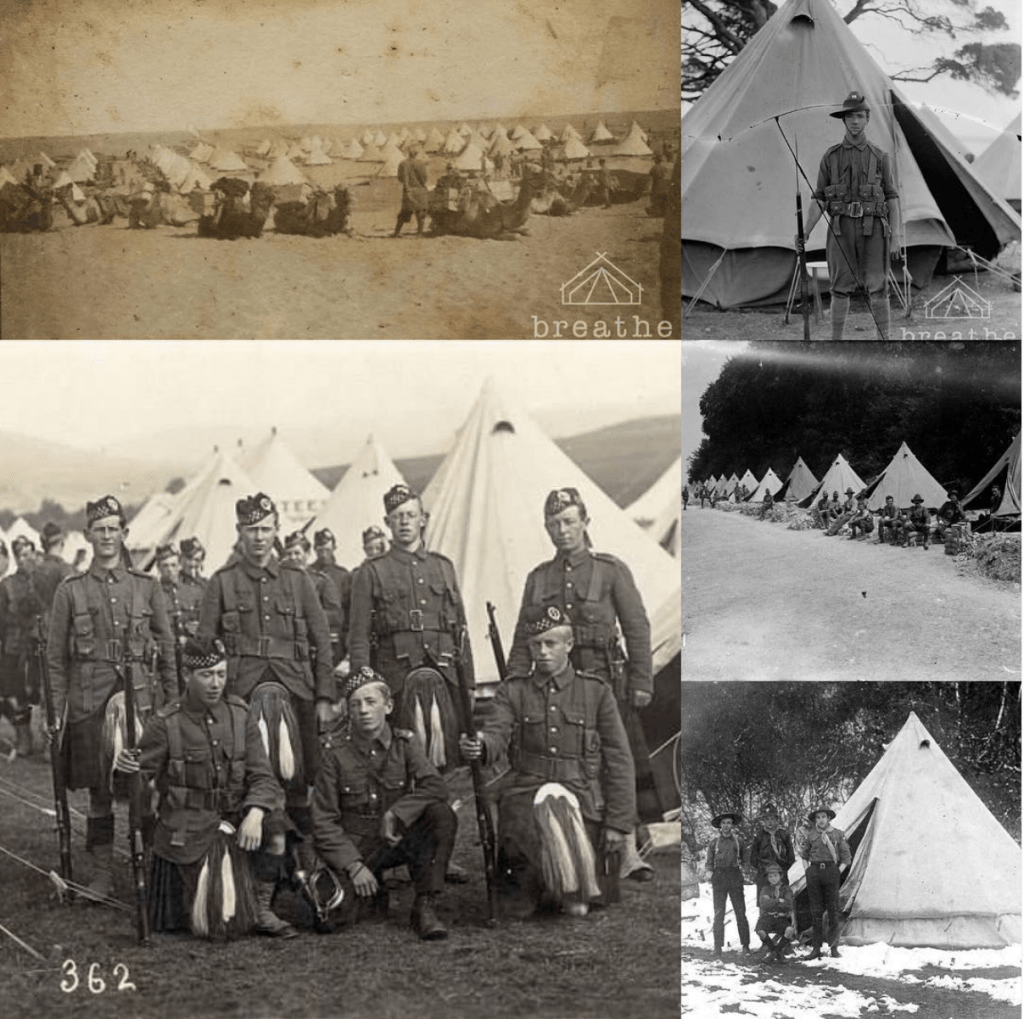
A Symbol of Simplicity and Resilience
Across military, industrial, and recreational use, the bell tent has come to represent something deeper.
It stands for:
-
Simplicity
-
Adaptability
-
Durability
-
Connection to the outdoors
From soldiers in wartime camps to engineers in remote regions and young scouts learning life skills, the bell tent has quietly supported countless Australian stories.
From History to Modern Outdoor Living
Today, bell tents have found new life in the world of camping and glamping.
While modern versions feature improved materials and design, they remain true to their origins:
-
Breathable canvas
-
Spacious interiors
-
Timeless shape
At Breathe Bell Tents, this heritage is part of what makes bell tents so special.
Every tent carries forward a legacy that spans generations—connecting modern outdoor living with a rich and meaningful past.
Reflecting This Anzac Day
As Anzac Day approaches, it’s a time to pause and reflect.
While we often think of battles and ceremonies, it’s also important to remember the everyday realities of those who served—the places they slept, the conditions they endured, and the communities they formed.
Bell tents were a small but significant part of that story.
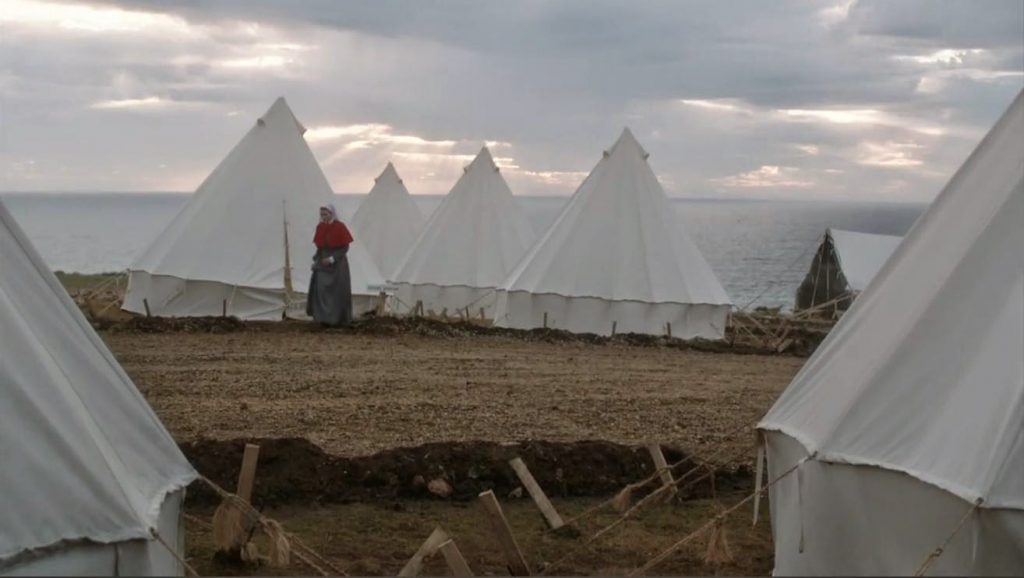
Today, when we step into a canvas tent, we are—perhaps without realising—stepping into a piece of history.
Carrying the Legacy Forward
From the innovation of Henry Hopkins Sibley
To the experiences of the Australian and New Zealand Army Corps
To generations of scouts and adventurers
The bell tent has endured as a symbol of outdoor life.
It reminds us that even the simplest structures can hold powerful stories.
And that sometimes, the best way to honour the past…
is to step outside and experience it for ourselves.
Images: Anzac Girls
Words: Breathe Bell Tents with information from various sources and
Photographs: courtesy Craig Brown, Australian Bushcraft Magazine