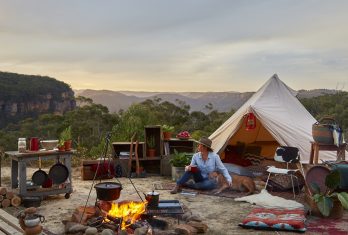
Living in a Bell Tent: The Dream, the Reality, and the Truth About Canvas Living
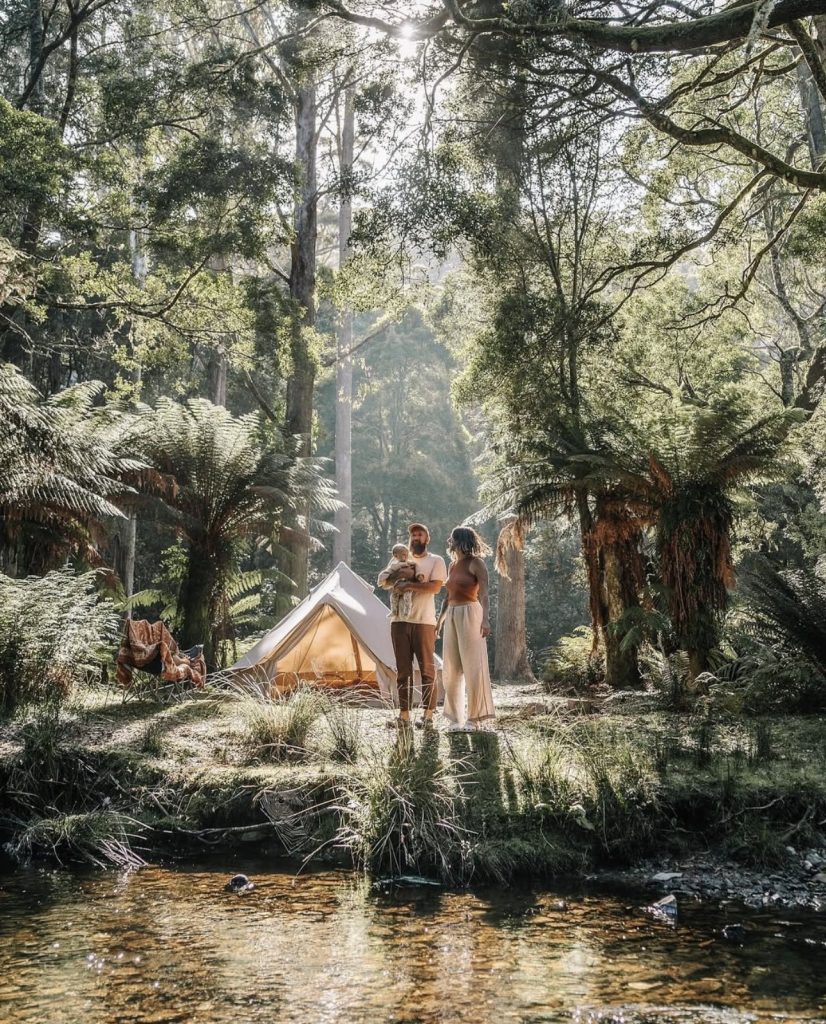
Scroll through Instagram or Pinterest and you’ll see it everywhere: a perfectly styled bell tent, fairy lights glowing, a wood stove crackling, and a cosy bed inside a canvas dome. It looks magical—and in many ways, it really is.
But it’s important to understand one key thing before committing to life under canvas: bell tents are wonderful, but they are not magic. They are temporary structures, and living in one requires realistic expectations, ongoing maintenance, and a willingness to adapt.
This article explores both sides of bell tent living—the dream and the reality.
The Magic of Living in a Bell Tent
There is a reason bell tents have become the icon of modern glamping and off-grid living. Their design is simple, beautiful, and surprisingly comfortable.
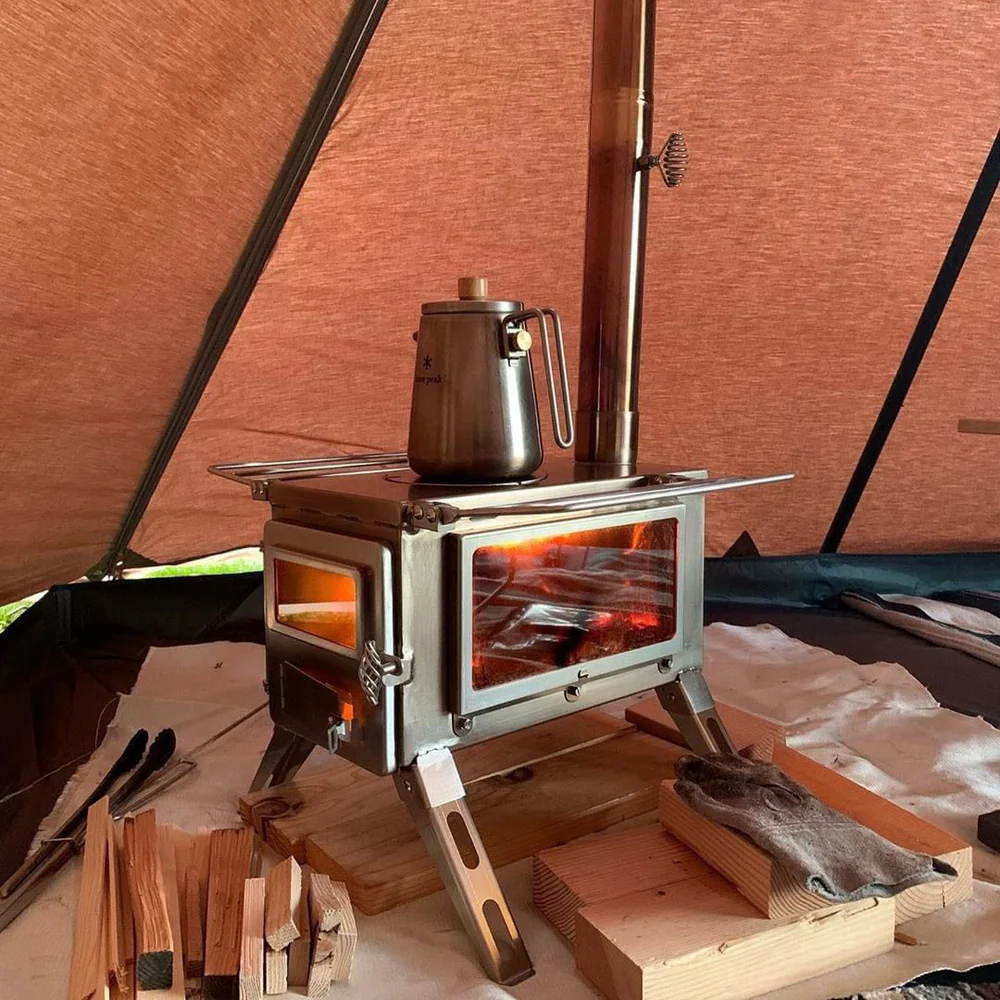
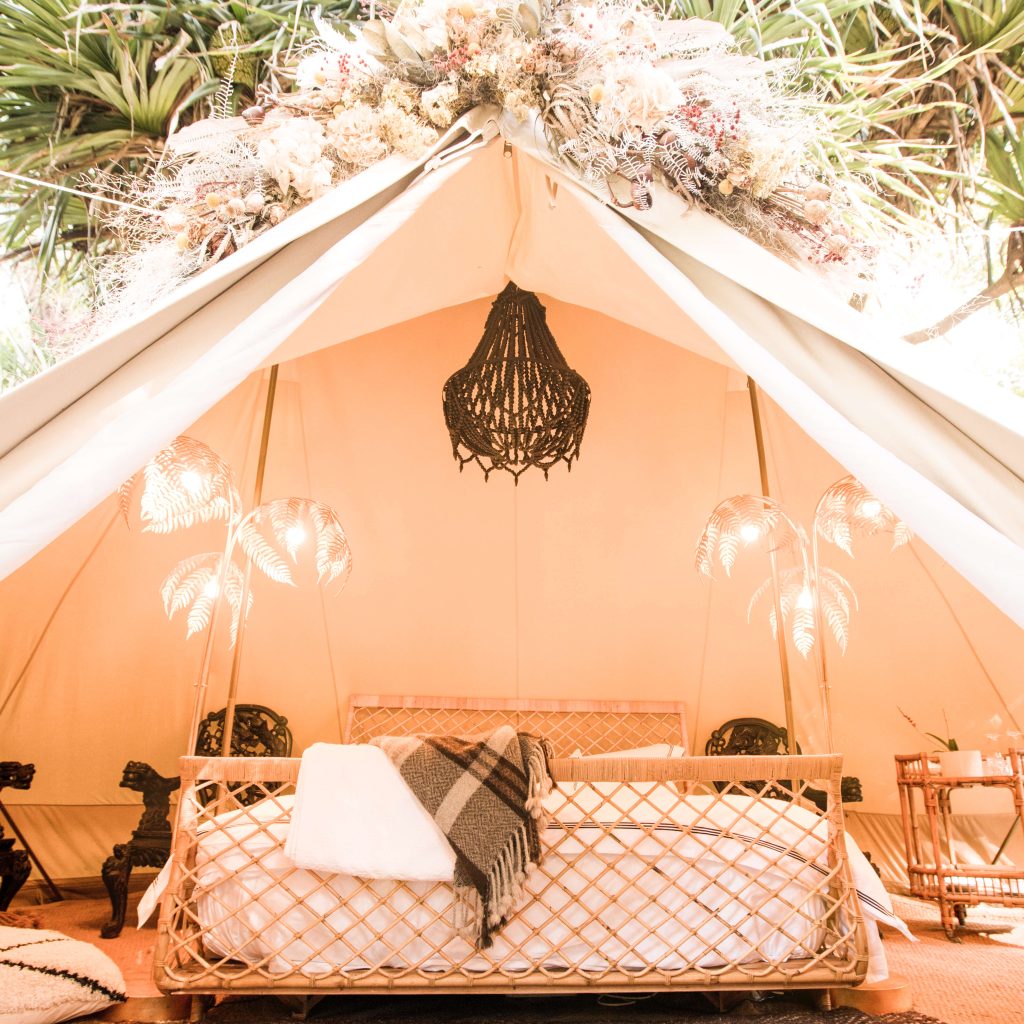
The classic circular shape with a centre pole creates a large open interior space that can easily fit a bed, rugs, furniture, and even a small wood stove. Canvas fabric is breathable and provides natural insulation, helping the tent stay cooler in summer and warmer in cooler months.
When set up well, a bell tent can feel less like camping and more like a tiny cabin.
People are drawn to bell tent living for many reasons:
-
A closer connection to nature
-
A slower, simpler lifestyle
-
Lower costs than traditional housing
-
The freedom to move and travel
-
The aesthetic appeal of canvas living
For weekend escapes, seasonal glamping, or temporary living situations, a bell tent can be an incredibly rewarding space.
But Bell Tents Are Designed for Temporary Use
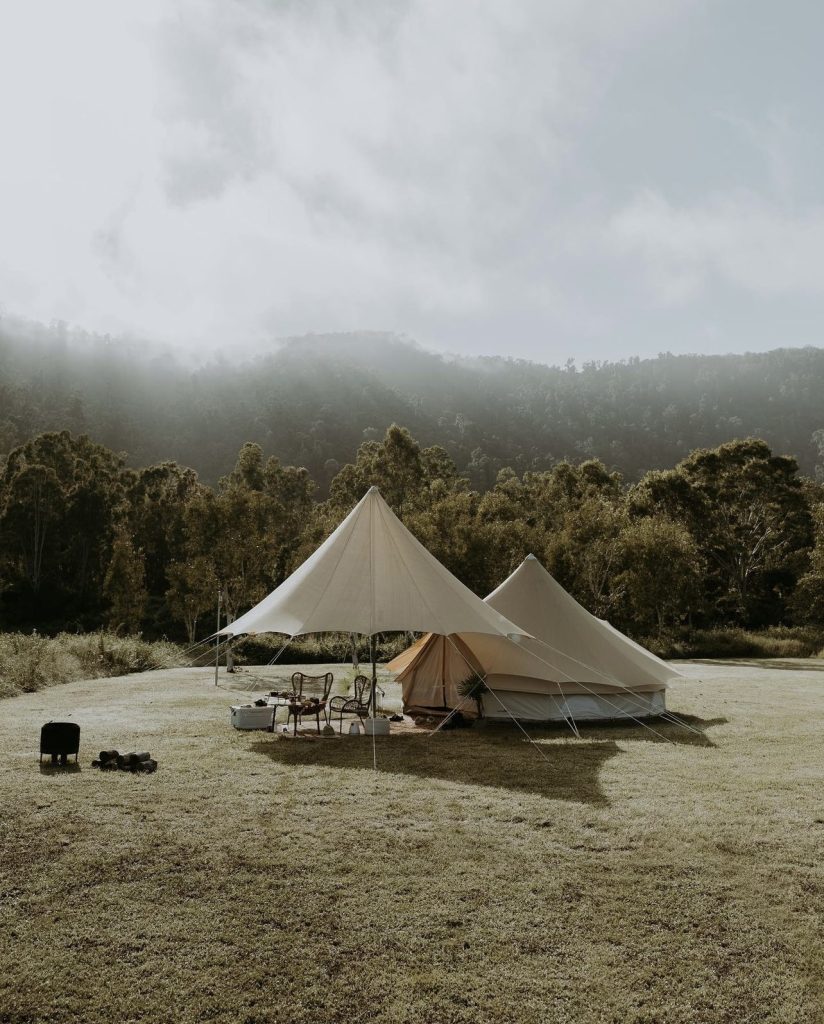
Despite their durability, bell tents were originally designed for recreational camping, festivals, and short-term stays rather than permanent housing.
Even heavy-duty canvas tents are still fundamentally fabric structures exposed to the elements. Unlike houses, they are not designed to withstand decades of continuous weather exposure.
Long-term living in a bell tent is possible—but it pushes the tent beyond what it was originally designed to do.
That doesn’t mean you shouldn’t do it. It simply means you need to understand the trade-offs.
Weather Is Always Part of the Experience
When you live in a bell tent, you are much more connected to the weather than you would be in a house.
Wind, rain, humidity, and temperature all play a bigger role in daily life.
Canvas tents can handle normal conditions well, but extreme weather presents challenges. Heavy rain, strong winds, or snow loads can stress the structure, and constant UV exposure can gradually weaken the canvas over time.
Temperature management is also part of daily life. While canvas breathes well, it still requires:
-
Good ventilation to prevent condensation
-
Insulation for colder weather
-
Shade or airflow during hot periods
Living comfortably in a bell tent often means learning to work with the climate rather than controlling it.

Maintenance Is Part of the Lifestyle
A bell tent requires much more care than a permanent building.
Canvas needs to be:
-
Kept clean
-
Completely dried when wet
-
Regularly re-proofed for waterproofing
-
Protected from mould and mildew
If moisture sits in the canvas for too long, mould can develop and damage the material. Proper airflow and regular cleaning are essential to extend the life of the tent.
Think of a bell tent like a boat or a classic car—it will last a long time if you look after it, but neglect shows quickly.
Living With Less Space
Another reality of bell tent living is limited storage and space.
Even a large 5-metre tent encourages a more minimalist lifestyle. Furniture needs to be simple, and every item has to earn its place.
Many long-term tent dwellers use clever solutions such as:
-
Storage boxes and baskets
-
Hanging organisers
-
Foldable furniture
-
Outdoor cooking setups
Minimalism becomes less of a design trend and more of a practical necessity.
Security and Practicalities
Canvas walls also mean a different level of security than a house.
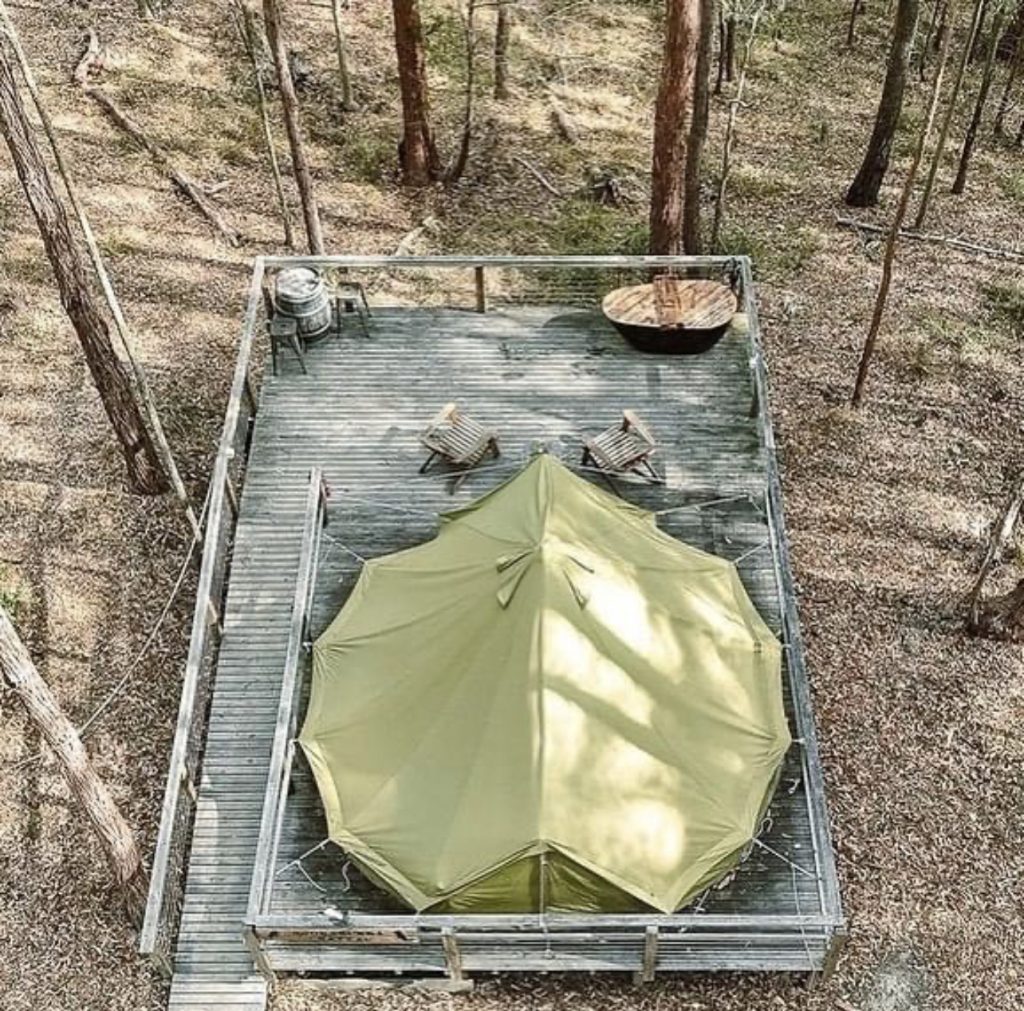
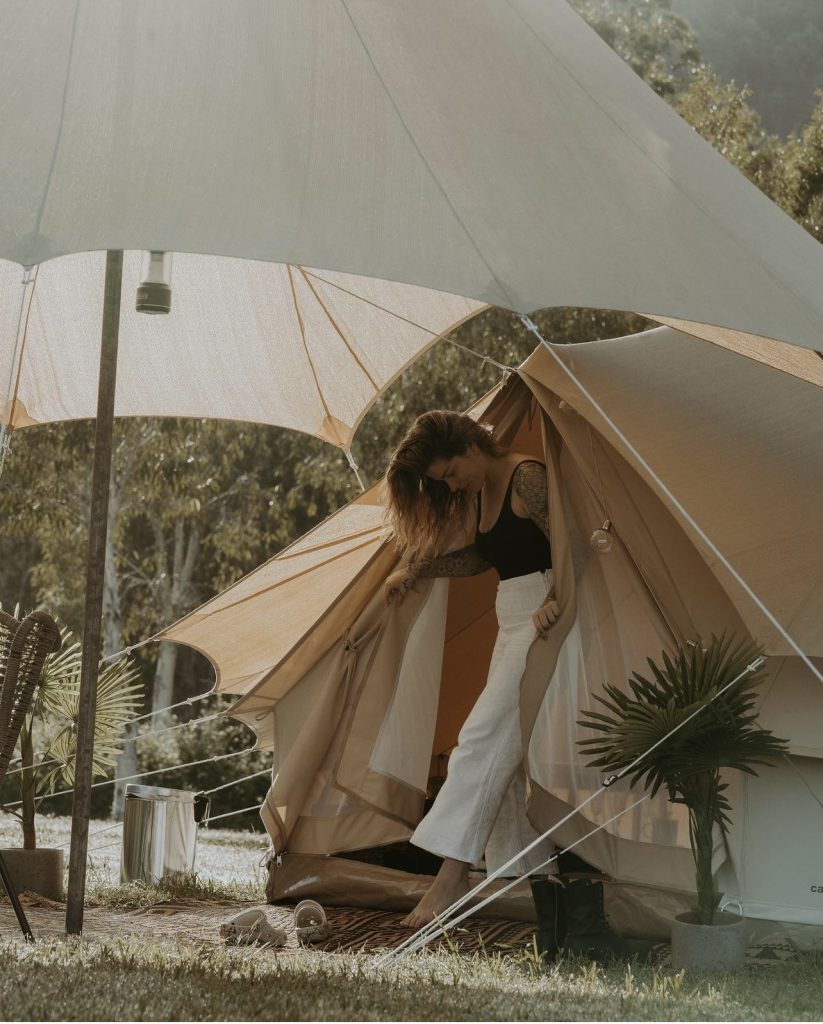
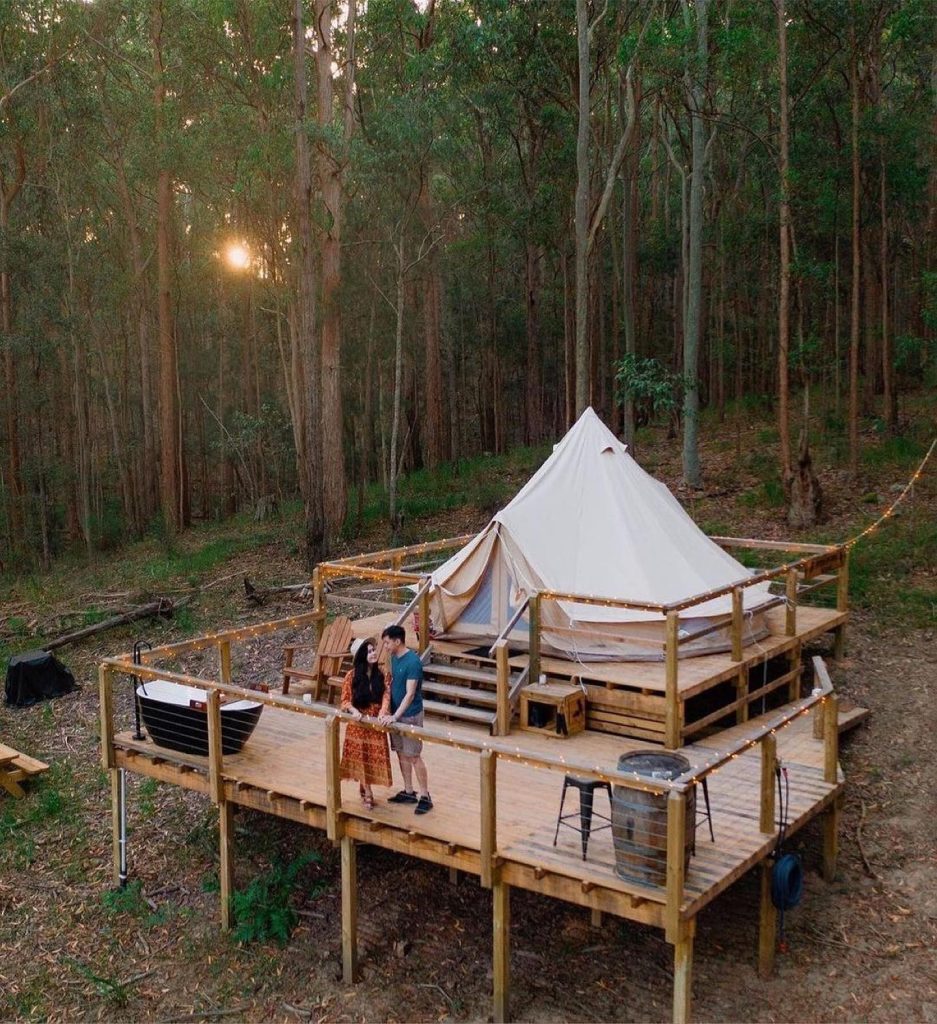
A tent can’t provide the same protection as a solid structure, so choosing the right location becomes important. Some people set up on private land, build a raised platform, or add additional structures like sheds or outdoor kitchens.
Daily life logistics—water, cooking, toilets, and power—also need to be thought through in advance.
The Lifespan of a Bell Tent
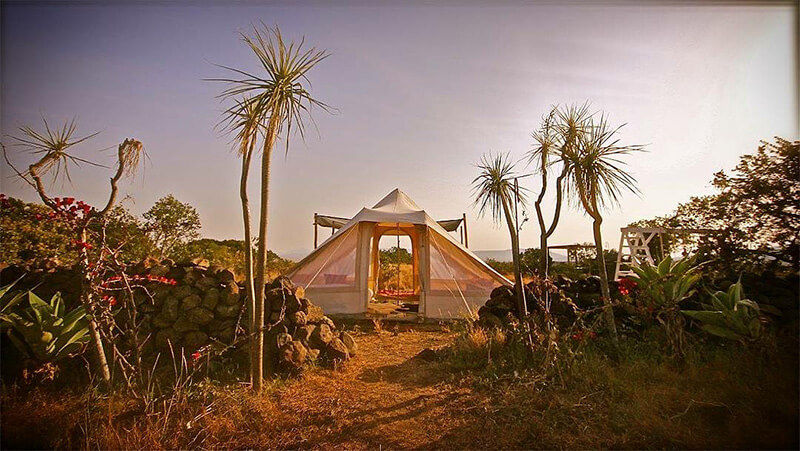
With good care, a quality canvas bell tent can last many years. However, constant full-time exposure to weather will shorten its lifespan compared to occasional use.
Sun, wind, rain, and general wear gradually weaken the fabric over time.
For many people, this is perfectly fine because bell tents are often used as transitional living spaces—for example:
-
While building a home
-
During travel or seasonal work
-
As part of an off-grid experiment
-
On rural land before building permanent structures
In these situations, the bell tent works beautifully as a temporary base.
The Real Beauty of Bell Tent Living
The truth is that living in a bell tent is both magical and practical.
It can be peaceful, freeing, and deeply connected to nature. But it also requires effort, adaptability, and realistic expectations.
A bell tent won’t replace a house forever—but it doesn’t need to.
Instead, think of it as something better suited to its purpose:
A beautiful, comfortable, temporary home that lets you experience life a little differently.
And sometimes, that’s exactly what people are looking for.
For all your bell tent needs contact www.belltent.com.au