Can Bell Tents Be Used in Winter?
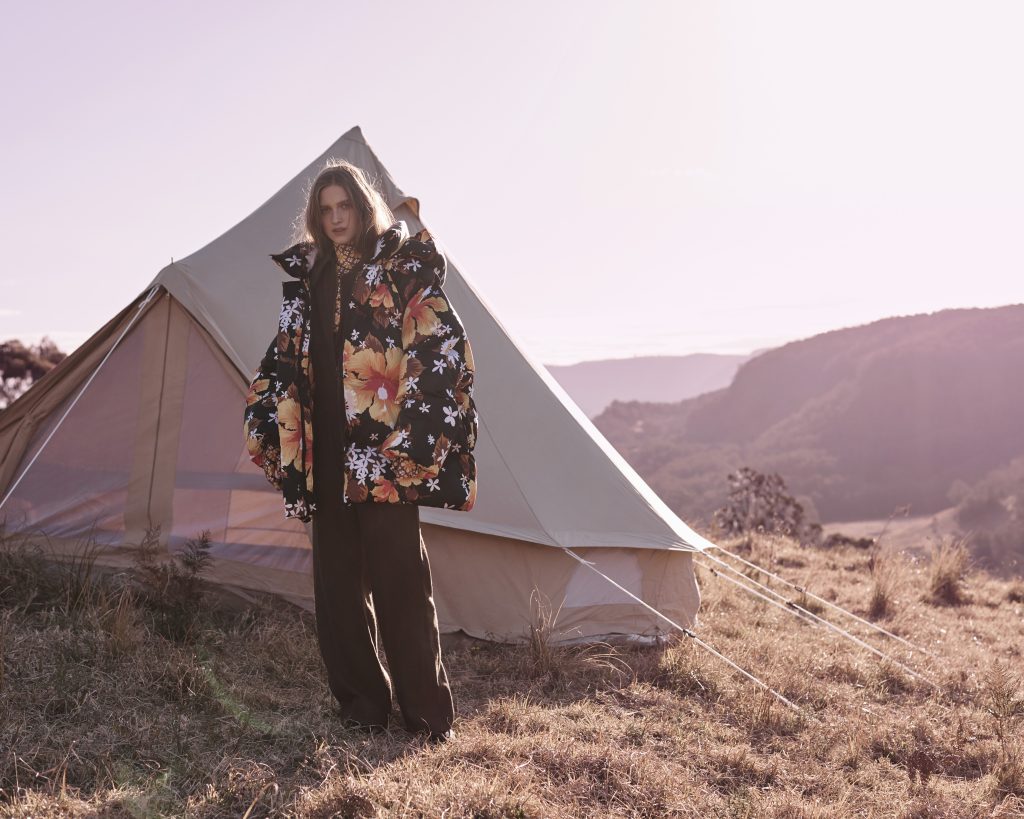
Yes — bell tents perform surprisingly well in winter.
Unlike synthetic camping tents, canvas is breathable and naturally insulating, which helps regulate temperature inside the tent.
However, winter living in a tent still requires preparation.
If you’re considering living in a bell tent long-term, winter comfort is something to plan for carefully.
(You may also want to read our guide on living in a bell tent for a realistic overview of canvas living.)

Why Canvas Tents Perform Well in Cold Weather
Canvas has several advantages in cooler climates:
Breathability
Canvas allows moisture to escape, reducing condensation inside the tent.
Insulation
The thick cotton fabric retains warmth better than thin nylon camping tents.
Wood Stove Compatibility
Many bell tents include stove jack options, allowing safe use of a small wood stove.
This makes them popular for glamping sites and off-grid living setups.
Tips for Staying Warm in a Bell Tent
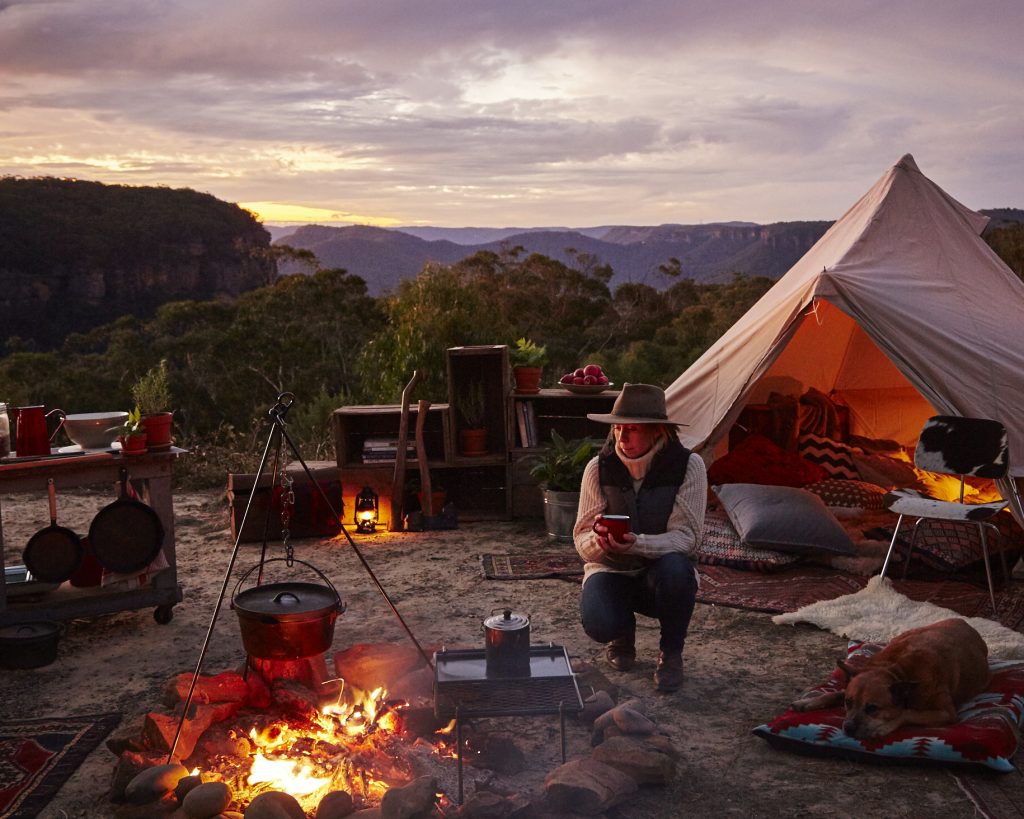
To make winter living comfortable, most long-term tent dwellers add a few upgrades.
Use a Wood Stove
A small camping wood stove can transform a bell tent into a warm, cosy shelter.
Insulate the Floor
Adding rugs, carpets, foam mats or wooden platforms helps reduce cold rising from the ground.
Improve Bedding
Thick sleeping bags, wool blankets and insulated mattresses make a big difference.
Block Wind
Pitching your tent in a sheltered area helps prevent heat loss.
Winter Bell Tent Living in Australia
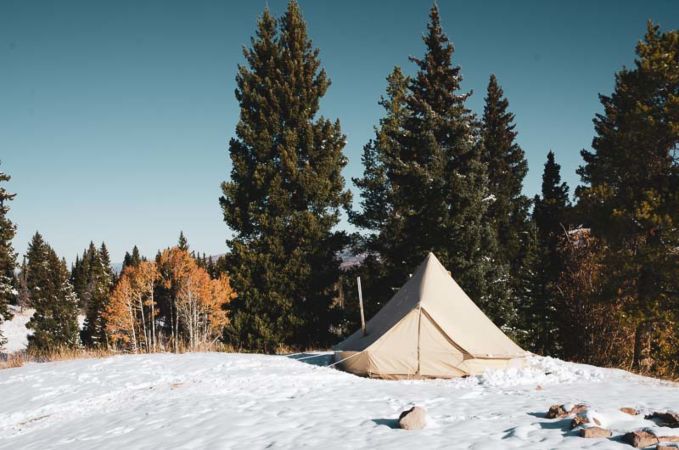
Winter in Australia varies greatly by region. Coastal areas may remain mild, while inland regions can experience cold nights and frost.
Planning your setup carefully ensures your bell tent remains comfortable year-round.
You may also find these guides helpful:
-
How long do bell tents last?
-
Are bell tents waterproof?
-
How to maintain a canvas bell tent
Can You Live in a Bell Tent in Winter?
Can Bell Tents Be Used in Winter?
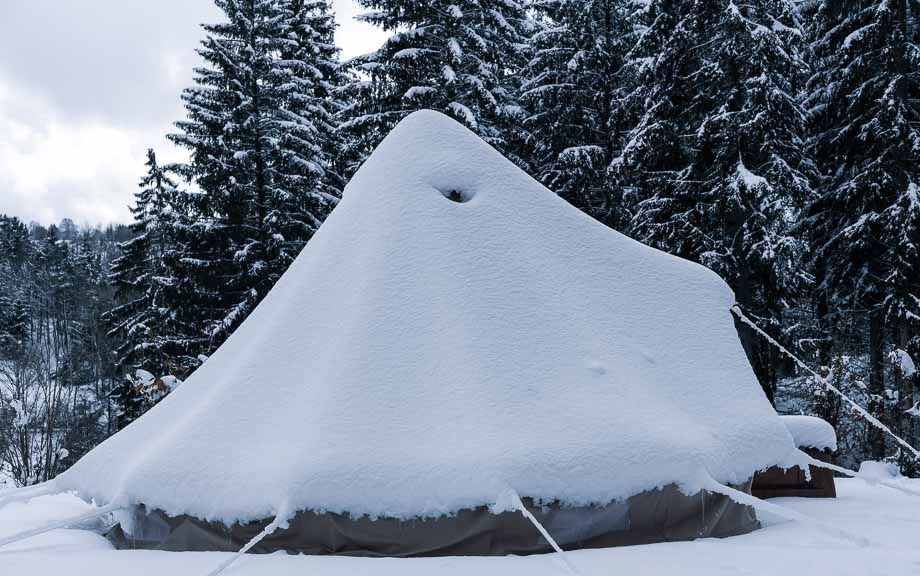
Yes — bell tents perform surprisingly well in winter.
Unlike synthetic camping tents, canvas is breathable and naturally insulating, which helps regulate temperature inside the tent.
However, winter living in a tent still requires preparation.
If you’re considering living in a bell tent long-term, winter comfort is something to plan for carefully.
(You may also want to read our guide on living in a bell tent for a realistic overview of canvas living.)
Why Canvas Tents Perform Well in Cold Weather
Canvas has several advantages in cooler climates:
Breathability
Canvas allows moisture to escape, reducing condensation inside the tent.
Insulation
The thick cotton fabric retains warmth better than thin nylon camping tents.
Wood Stove Compatibility
Many bell tents include stove jack options, allowing safe use of a small wood stove.
This makes them popular for glamping sites and off-grid living setups.
Tips for Staying Warm in a Bell Tent
To make winter living comfortable, most long-term tent dwellers add a few upgrades.
Use a Wood Stove
A small camping wood stove can transform a bell tent into a warm, cosy shelter.
Insulate the Floor
Adding rugs, carpets, foam mats or wooden platforms helps reduce cold rising from the ground.
Improve Bedding
Thick sleeping bags, wool blankets and insulated mattresses make a big difference.
Block Wind
Pitching your tent in a sheltered area helps prevent heat loss.
Winter Bell Tent Living in Australia
Winter in Australia varies greatly by region. Coastal areas may remain mild, while inland regions can experience cold nights and frost.
Planning your setup carefully ensures your bell tent remains comfortable year-round.
You may also find these guides helpful:
-
How long do bell tents last?
-
Are bell tents waterproof?
-
How to maintain a canvas bell tent