Bell Tents in Windy Weather: How Canvas Tents Handle Wind Better Than You Might Think
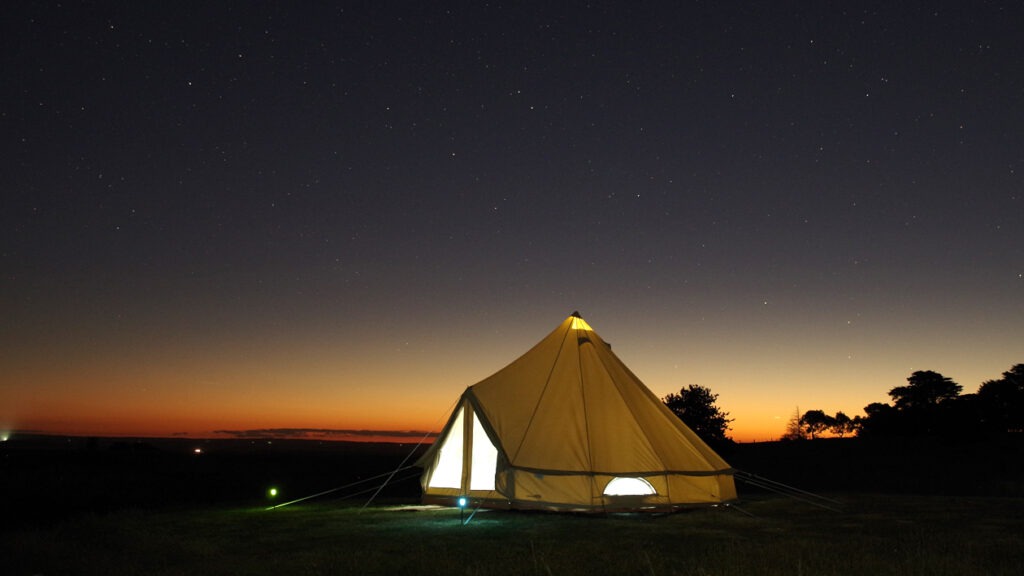
One of the most common questions we hear from customers is:
“How do bell tents perform in windy weather?”
It’s a fair question. Bell tents are large, tall structures and, at first glance, many people assume they would struggle in strong winds compared to lower-profile dome tents.
In reality, a well-pitched quality canvas bell tent is remarkably stable and has been proven in some of the harshest camping environments around the world. From coastal campsites and mountain regions to long-term glamping setups, bell tents have earned a reputation for handling challenging weather surprisingly well.
Why Bell Tents Are Naturally Stable
The iconic bell tent design has been around for over 160 years for a reason.
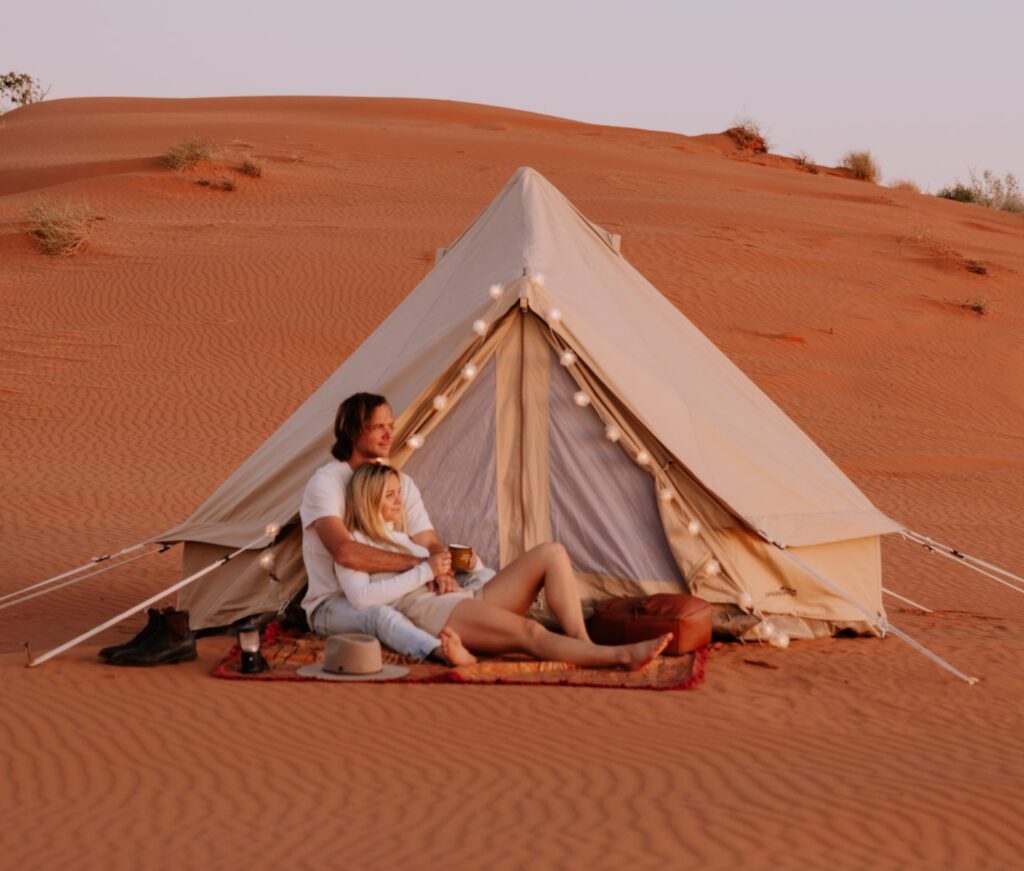
Unlike tents that rely on multiple poles and rigid frames, a bell tent uses a central pole combined with evenly distributed guy ropes around the perimeter. This creates a structure that naturally spreads wind loads throughout the tent rather than concentrating pressure on a single point.
The circular shape is particularly effective because there are no large flat walls for the wind to push against. Instead, wind tends to flow around the tent, reducing stress on the canvas and structure.
This is one of the reasons why the Sibley Bell Tent design has remained popular for military, expedition, scouting and long-term camping use for generations.
Canvas Performs Better Than Lightweight Fabrics
Another advantage of quality canvas tents is their weight.
While lightweight nylon tents have their place, their lighter fabrics can flap excessively in windy conditions, creating noise, movement and stress on seams.
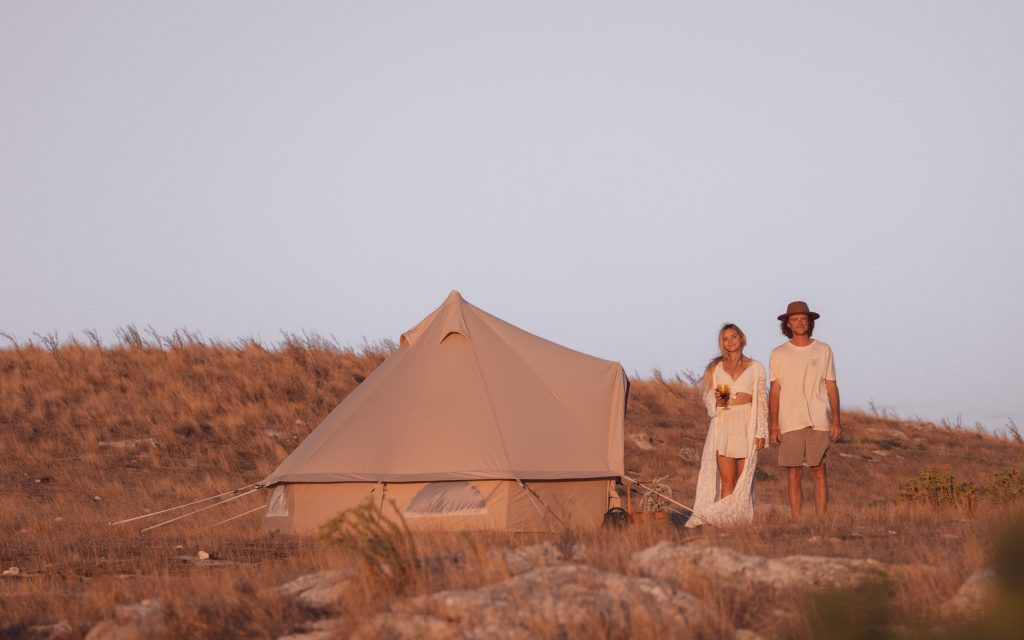
Canvas is naturally heavier and more robust. The weight of the fabric helps dampen movement and creates a more stable shelter during gusty conditions.
Many bell tent owners are surprised by how quiet a properly tensioned canvas tent feels compared to synthetic alternatives.
The Importance of Correct Pitching
Even the best tent can struggle if it is not pitched correctly.
When camping in windy conditions:
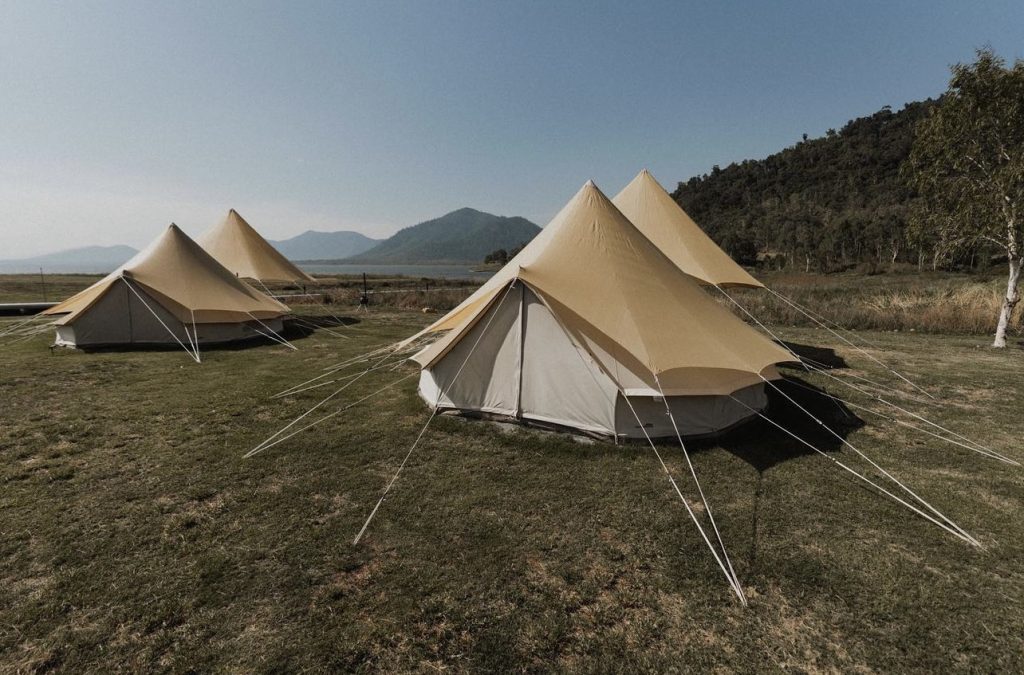
1. Use Every Guy Rope
Every guy rope is there for a reason.
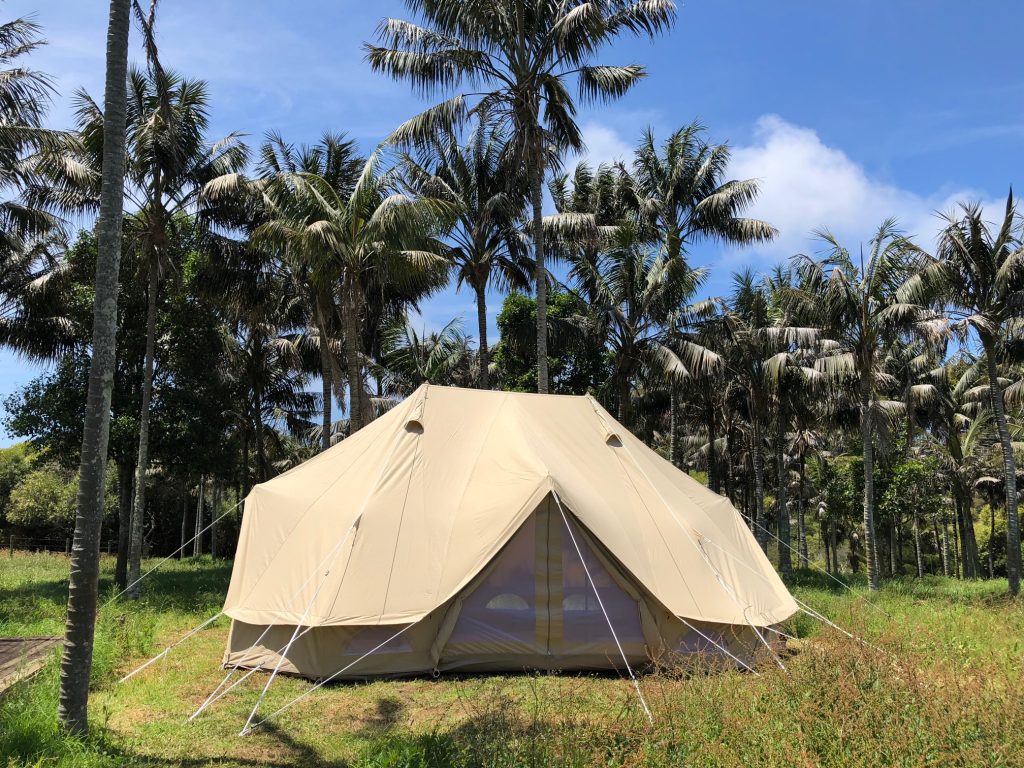
In calm weather, some campers are tempted to skip a few ropes to save time, but in windy conditions every guy point should be used and properly tensioned.
The guy ropes help distribute wind loads evenly around the tent and prevent unnecessary movement.
2. Use Quality Pegs
Ground conditions vary dramatically across Australia.
The standard pegs supplied with your tent are suitable for many situations, but if you’re camping regularly on sandy, soft or challenging ground, upgrading to heavier-duty pegs can significantly improve stability.
Always ensure pegs are driven fully into the ground at the correct angle.
3. Re-Tension After Setup
Canvas is a natural material and may settle slightly after pitching.
After a few hours, particularly if the weather changes, walk around the tent and check the guy ropes. A quick adjustment can make a significant difference to the tent’s performance.
4. Choose Your Campsite Carefully
The best defence against strong winds often starts with campsite selection.
Look for:
- Natural windbreaks such as trees or hills
- Sheltered valleys
- Protected campsites
- Areas away from exposed ridgelines
Avoid pitching directly beneath dead branches or unstable trees that could become hazardous during storms.

What About Storms and Extreme Weather?
Bell tents are strong, but like any camping shelter they are not indestructible.
If severe weather warnings, cyclonic conditions or extreme storms are forecast, it is always wise to take appropriate precautions and follow local safety advice.
For typical camping conditions, coastal winds, mountain weather and seasonal storms, a properly pitched quality bell tent performs exceptionally well. However, no recreational tent should be considered a substitute for permanent shelter during extreme weather events.
Long-Term Camping and Wind Protection
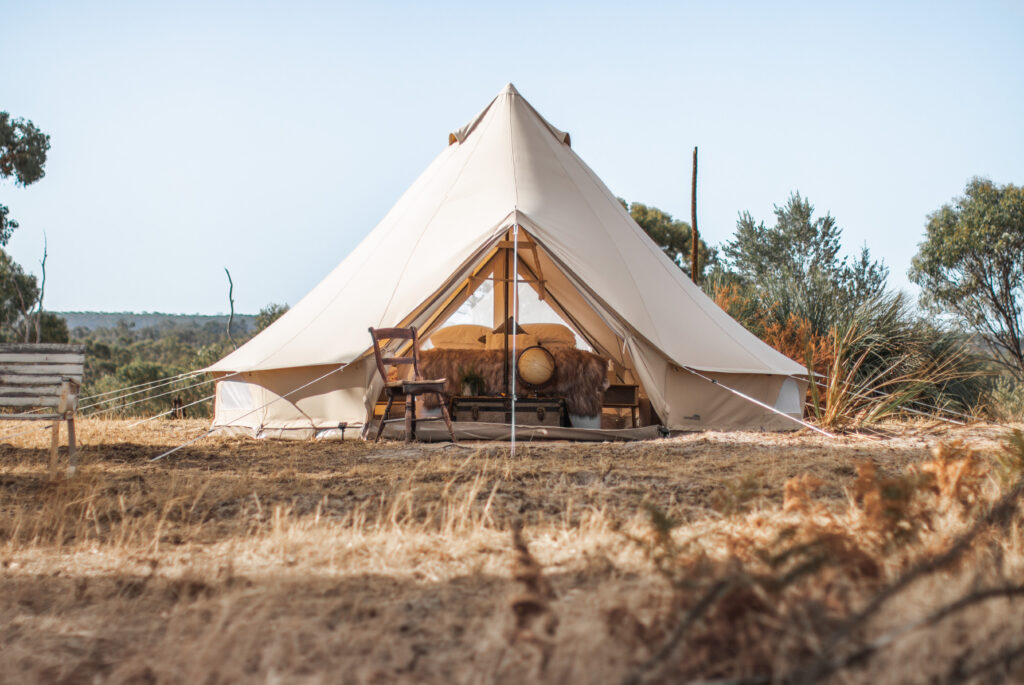
For customers using their bell tent for glamping, semi-permanent camping or extended stays, additional protection can be beneficial.
A bell tent protector can help reduce wear from prolonged exposure to wind, rain, UV and debris while extending the lifespan of the canvas.
For longer-term installations, many glamping operators also choose to pitch their tents on platforms or sheltered sites to maximise durability and comfort.
Bell Tents Have Been Weathering the Elements for Generations
The bell tent design has survived for over a century because it works.
When properly pitched, quality canvas bell tents are stable, durable and well suited to a wide range of Australian conditions. Their circular shape, central pole design and heavy-duty canvas construction create a shelter that handles wind far better than many first-time campers expect.
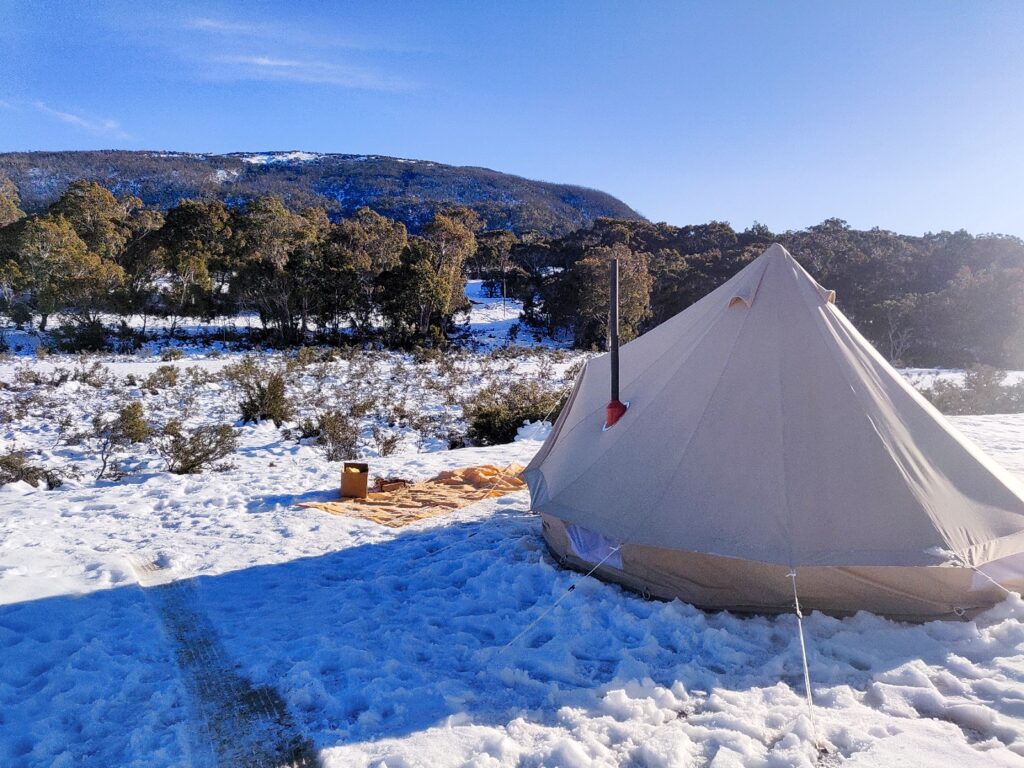
Whether you’re camping along the coast, exploring the Snowy Mountains, attending a festival or creating a luxury glamping retreat, a well-maintained bell tent can provide a comfortable and reliable shelter in all but the most extreme conditions.
Further Reading
If you’re considering a bell tent or looking to get the most from your canvas shelter, you may also enjoy: