How to Prevent Mould in a Canvas Tent or Bell Tent

Essential Tips for Keeping Your Bell Tent Fresh, Dry & Beautiful for Years
One of the greatest joys of owning a canvas bell tent is the beautiful natural environment it creates inside — breathable canvas walls, fresh airflow, cosy textures, and a true connection to nature.
But because canvas is a natural cotton material, it also requires a little more care than synthetic nylon tents.
The biggest concern for most bell tent owners?
Mould and mildew.
The good news is that mould in a canvas tent is almost always preventable with a few simple habits and proper storage techniques.
At Breathe Bell Tents Australia, we’ve spent years helping customers care for their canvas bell tents in Australia’s unique climate — from humid coastal regions to cool mountain winters and tropical rain seasons.
Here’s everything you need to know about preventing mould and keeping your bell tent in beautiful condition for many years to come.

Why Does Mould Grow in Canvas Tents?
Canvas is a natural breathable fabric, usually made from cotton canvas.
Unlike plastic-based nylon tents, canvas:
- breathes naturally
- regulates temperature
- reduces condensation
- creates a far more comfortable camping environment
However, natural fibres can develop mould or mildew if moisture becomes trapped for extended periods.
Mould thrives in:
- damp environments
- poor airflow
- humid conditions
- dark storage areas
- wet packed-away tents
This is why good ventilation and drying practices are essential for all canvas tent owners.

The Golden Rule: Never Store Your Tent Wet
If there’s one rule every canvas tent owner should remember, it’s this:
Never pack away your bell tent wet or damp.
Even a slightly damp tent stored in a bag or container can begin developing mildew surprisingly quickly — especially in warm Australian climates.
This includes:
- rain moisture
- morning condensation
- damp groundsheet areas
- internal humidity
- wet guy ropes or canvas folds
If your tent must be packed away wet due to weather or travel, unpack and fully dry it as soon as possible once you get home.
This one habit alone can dramatically extend the life of your canvas bell tent.
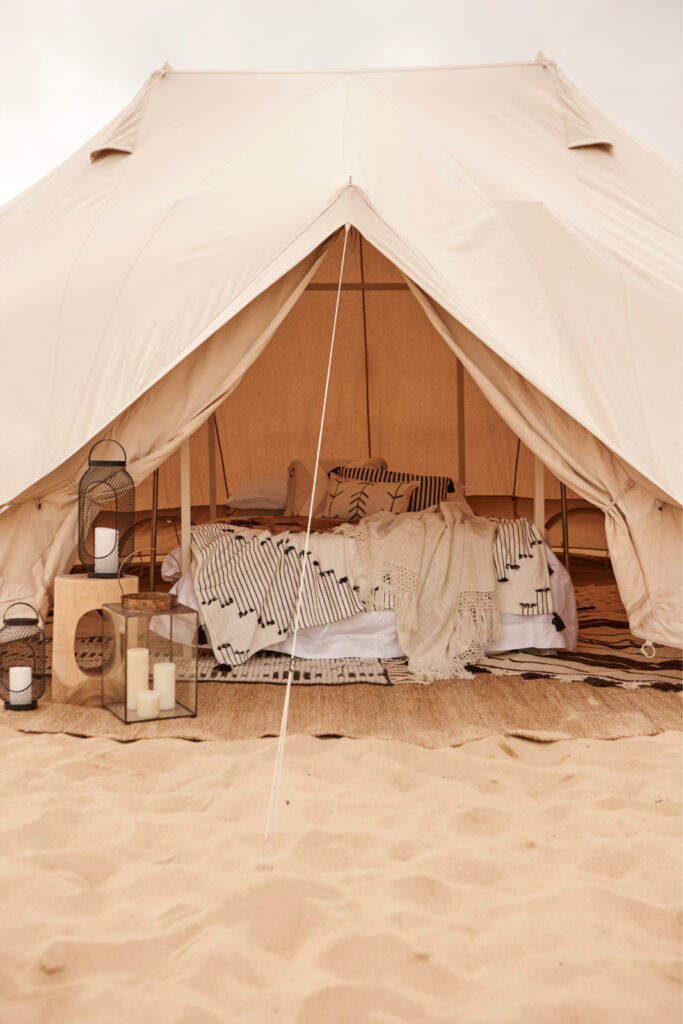
Ventilate Your Bell Tent Daily
Daily airflow is one of the best ways to prevent mould while camping.
Canvas tents naturally breathe better than nylon tents, but ventilation still matters — particularly during:
- humid weather
- rainy conditions
- cold nights
- long-term setups
- family camping with multiple occupants
At Breathe Bell Tents Australia, our canvas bell tents are designed with ventilation and airflow in mind to help suit Australian conditions. (belltent.com.au)
Daily Ventilation Tips
Each morning:
- open doors fully when weather allows
- unzip mesh windows
- allow sunlight and airflow inside
- air out bedding and rugs
- reduce trapped overnight condensation
Even 20–30 minutes of airflow each day can make a huge difference.

Avoid Condensation Build-Up
Many people mistake condensation for leaking.
In reality, condensation happens naturally when:
- warm air meets cool surfaces
- people breathe inside the tent
- cooking or heaters add moisture
- wet clothing dries indoors
The more people sleeping inside a tent, the more condensation can develop overnight.
To reduce condensation:
- keep ventilation points open
- avoid overcrowding
- don’t dry wet towels or clothes inside if possible
- allow cross-breezes during the day
- use breathable bedding materials
Canvas performs far better than nylon for condensation management, but airflow still remains essential.
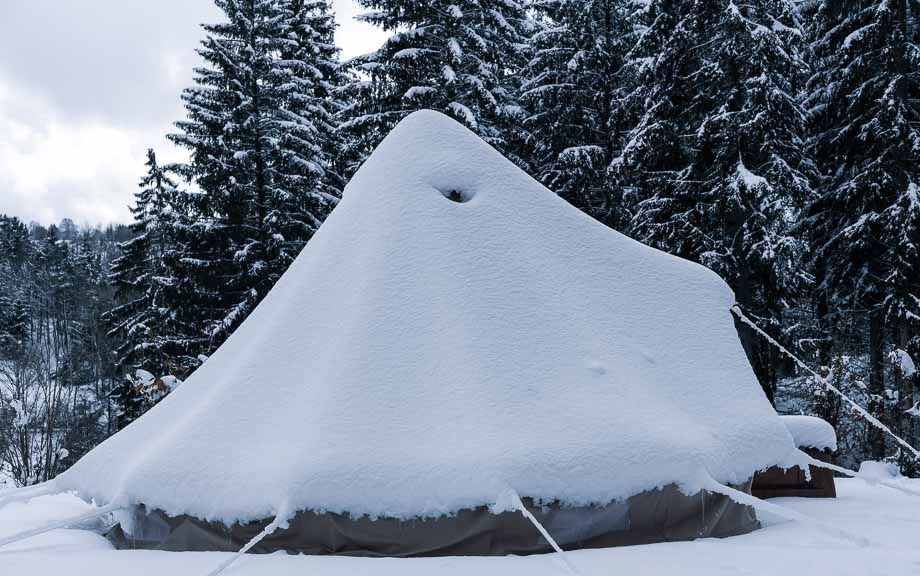
Choose Your Campsite Carefully
Where you pitch your bell tent can affect moisture levels dramatically.
Avoid:
- low-lying damp ground
- areas where water pools
- heavy shade with little sunlight
- permanently wet grass
Ideally choose:
- elevated ground
- breezy locations
- morning sunlight exposure
- dry natural drainage areas
Sunlight and airflow are your canvas tent’s best friends.

Use a Groundsheet Properly
A quality zip-in groundsheet helps protect your tent floor from moisture rising from the ground.
However, moisture can still become trapped underneath if water pools around the tent.
To help prevent this:
- pitch on well-draining ground
- avoid water runoff paths
- ensure groundsheets remain clean and dry
- occasionally lift sections during long-term setups to air underneath
Long-term glamping setups benefit from:
- wooden platforms
- airflow beneath the tent
- gravel bases
- raised flooring systems
These all help reduce long-term moisture exposure.

Don’t Leave Wet Items Inside the Tent
This is a common cause of hidden mildew.
Wet items release moisture into the canvas environment, especially overnight.
Try to avoid leaving:
- wet towels
- damp bathers
- muddy boots
- soaked jackets
- wet dog bedding
inside the tent for long periods.
Even small amounts of trapped humidity can contribute to mould growth over time.

Clean Your Canvas Tent Regularly
Regular cleaning helps prevent mould spores, dirt build-up, and trapped moisture.
Basic Cleaning Tips
- brush off dirt and debris
- sweep out dust and sand
- remove leaves from folds and seams
- clean bird droppings quickly
- allow the tent to dry thoroughly after cleaning
Most of the time, simple water and a soft brush are enough.
Avoid harsh detergents or bleach products unless specifically recommended for canvas care, as these can damage waterproofing treatments.

Store Your Bell Tent Correctly
Storage is just as important as camping care.
Your bell tent should always be stored:
- completely dry
- loosely folded where possible
- in a cool dry area
- away from direct concrete floors
- with airflow around the storage bag
Avoid:
- humid garages
- sealed damp sheds
- hot containers with trapped moisture
Some owners even periodically unpack and air their tent during long off-seasons.

Long-Term Setups Need Extra Care
If your bell tent remains pitched for extended periods — such as:
- glamping accommodation
- retreats
- backyard guest spaces
- semi-permanent camping
— regular maintenance becomes even more important.
Long-term owners should:
- ventilate daily
- inspect canvas frequently
- monitor shaded areas
- dry condensation quickly
- check underneath flooring systems
- reproof canvas when required
A well-maintained canvas tent can last for many years, even in demanding Australian conditions.

Canvas Bell Tents Are Designed to Last
One of the reasons people love canvas bell tents is their longevity.
Unlike many synthetic tents that deteriorate after a few seasons, quality canvas bell tents can provide years — even decades — of beautiful camping experiences when properly cared for.
At Breathe Bell Tents Australia, we believe caring for your tent becomes part of the slow camping lifestyle itself:
- airing the canvas in the morning sun
- opening the walls to fresh breezes
- reconnecting with nature
- creating intentional outdoor living spaces
With simple preventative habits, mould doesn’t need to be something you fear.
A little airflow, a little sunshine, and proper drying go a very long way.

Explore Our Canvas Bell Tent Range
Browse our full range of:
- canvas bell tents
- Emperor Twin tents
- glamping accessories
- replacement groundsheets
- camping comforts
at Breathe Bell Tents Australia.
Built for Australian adventures, designed for beautiful outdoor living.