Why an Inner Tent Can Transform Your Bell Tent Experience
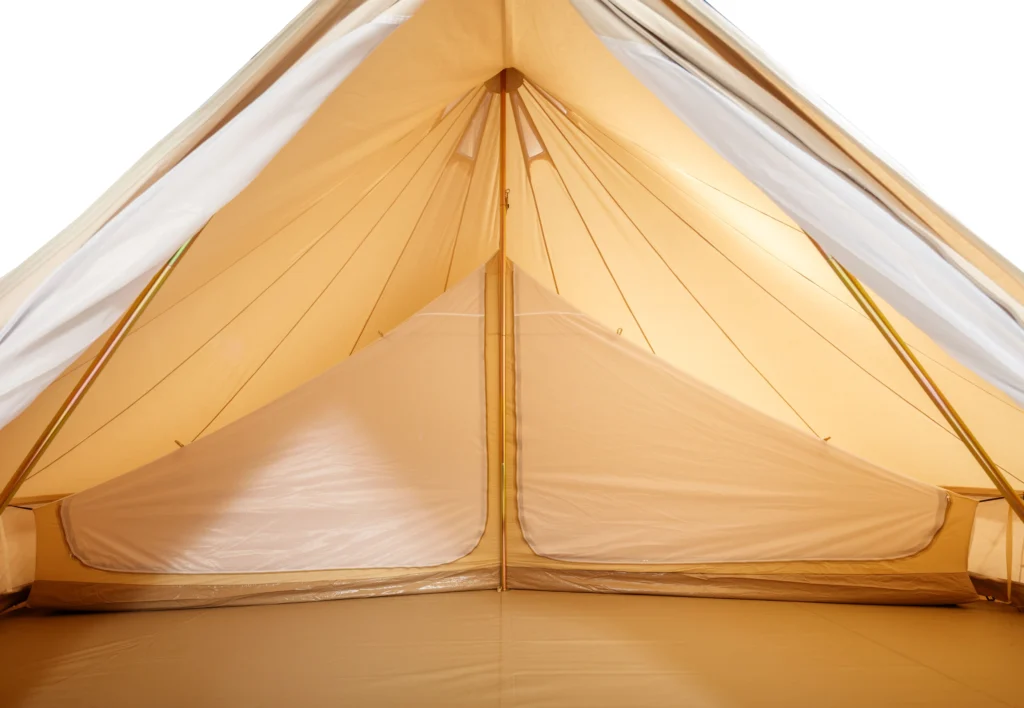
Bell tents are loved for their open space, timeless style, and versatility. Whether you’re glamping with family, camping off-grid, setting up for festivals, or creating a semi-permanent retreat, one simple accessory can completely change how your tent functions: the inner tent.
An inner tent creates a separate enclosed sleeping area inside your bell tent, adding comfort, privacy, warmth, and flexibility. While many campers love the spacious open-plan feel of a bell tent, adding an inner can make the space even more practical — especially for families, couples, and longer stays.
What Is an Inner Tent?
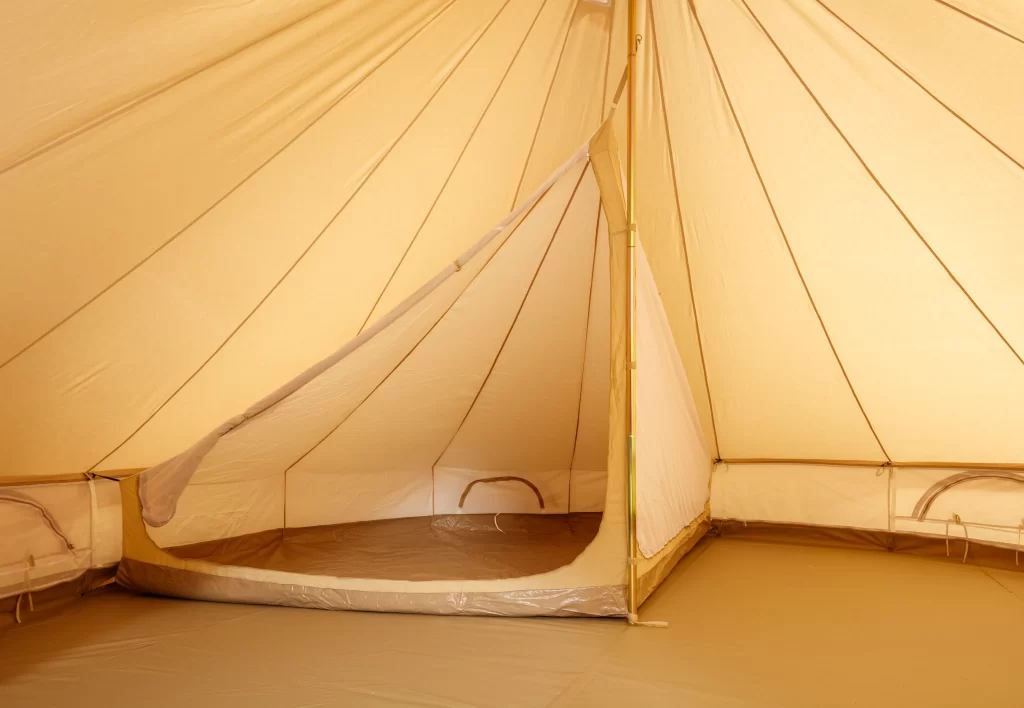
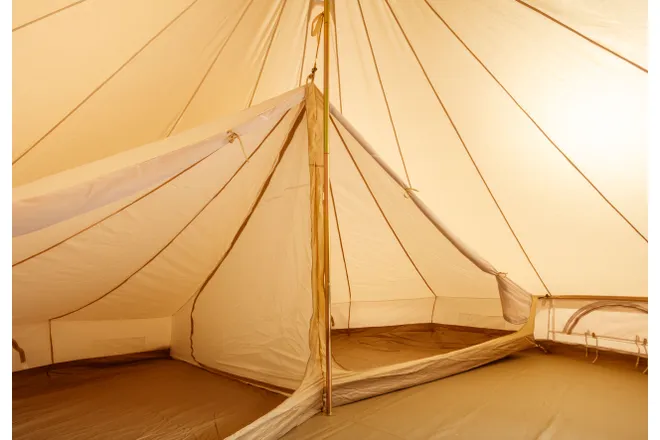
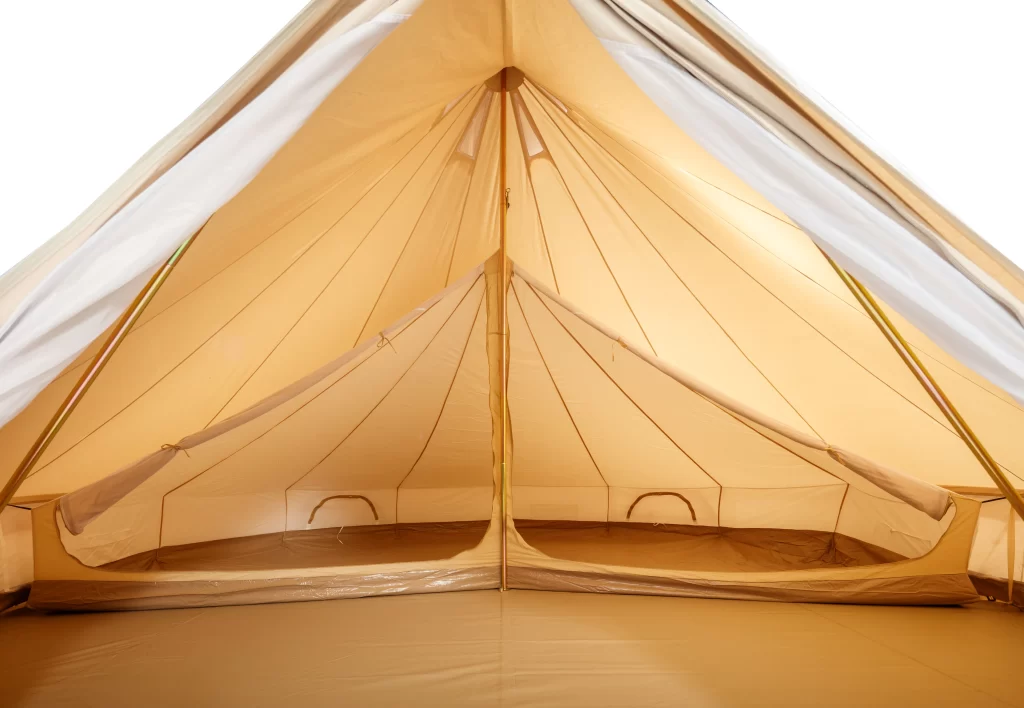
An inner tent is a breathable compartment that hangs neatly inside your bell tent. It creates a dedicated sleeping area while leaving the remaining floor space free for gear, furniture, storage, or relaxing.
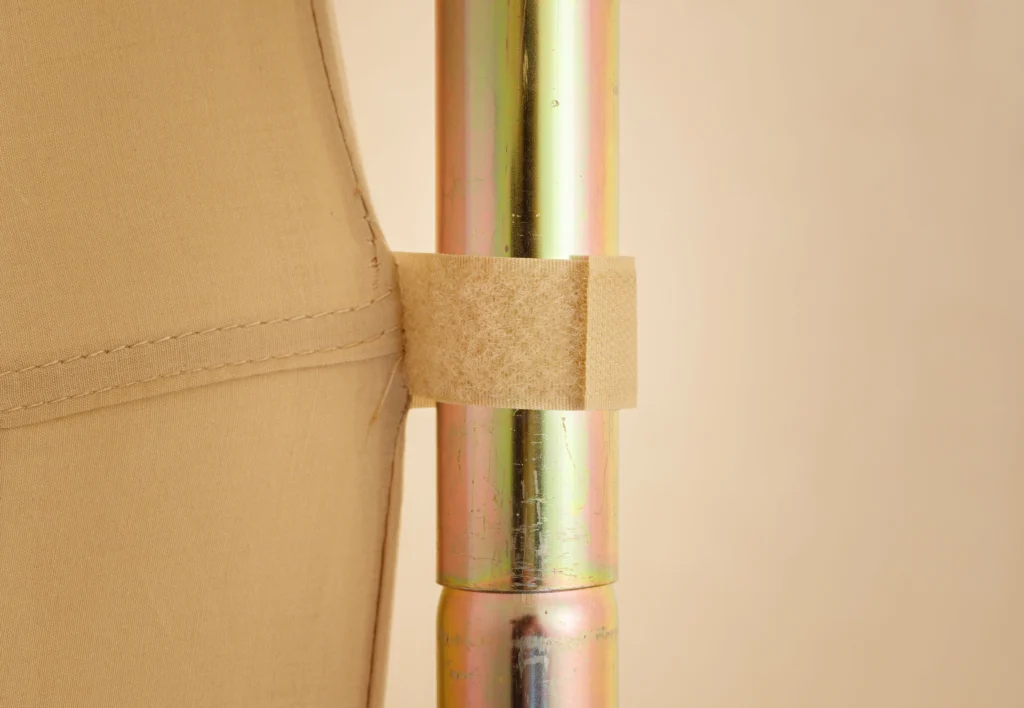
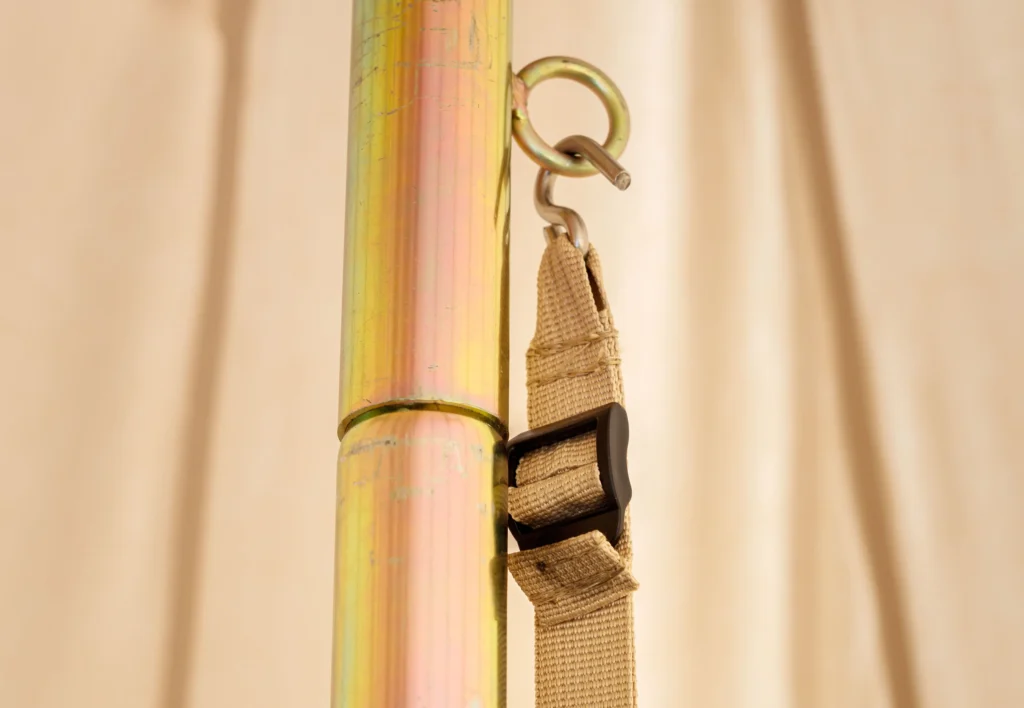
Most bell tent inners are designed to fit seamlessly within the structure of the tent and can usually be installed or removed in minutes.
The Benefits of Using an Inner Tent
1. Better Warmth and Insulation
One of the biggest benefits of an inner tent is improved warmth.
By creating a smaller enclosed sleeping area, your body heat is retained more effectively overnight. This can make a noticeable difference during colder months, alpine camping trips, or shoulder-season adventures.
The smaller sleeping compartment also helps reduce drafts and creates a more cosy atmosphere inside the larger tent.
For winter campers or anyone using a bell tent year-round, an inner tent can significantly improve comfort.
2. Reduced Condensation
Canvas bell tents already breathe far better than synthetic tents, but condensation can still occur depending on weather conditions and temperature differences.
An inner tent adds another breathable layer between you and the outer canvas wall, helping reduce contact with condensation and improving airflow around the sleeping area.
This is especially useful in humid climates, coastal camping areas, or during cold nights where moisture build-up is more common.
3. Added Privacy
Bell tents are wonderfully open and social, but sometimes privacy matters — particularly when camping with family or groups.
An inner tent creates a dedicated sleeping zone where you can change clothes, put children to bed earlier, or simply create a more private retreat within the larger tent space.
For festival camping or shared campsite setups, this added separation can make a big difference.
4. Ideal for Families and Kids
Families often find inner tents especially useful.
Children can have their own enclosed sleeping area while parents still enjoy a functional living space in the rest of the tent. It also helps keep bedding and sleeping gear organised and separate from shoes, bags, and camping equipment.
Many campers find that kids also sleep better in a darker, more enclosed environment.
5. Keeps Bugs Out
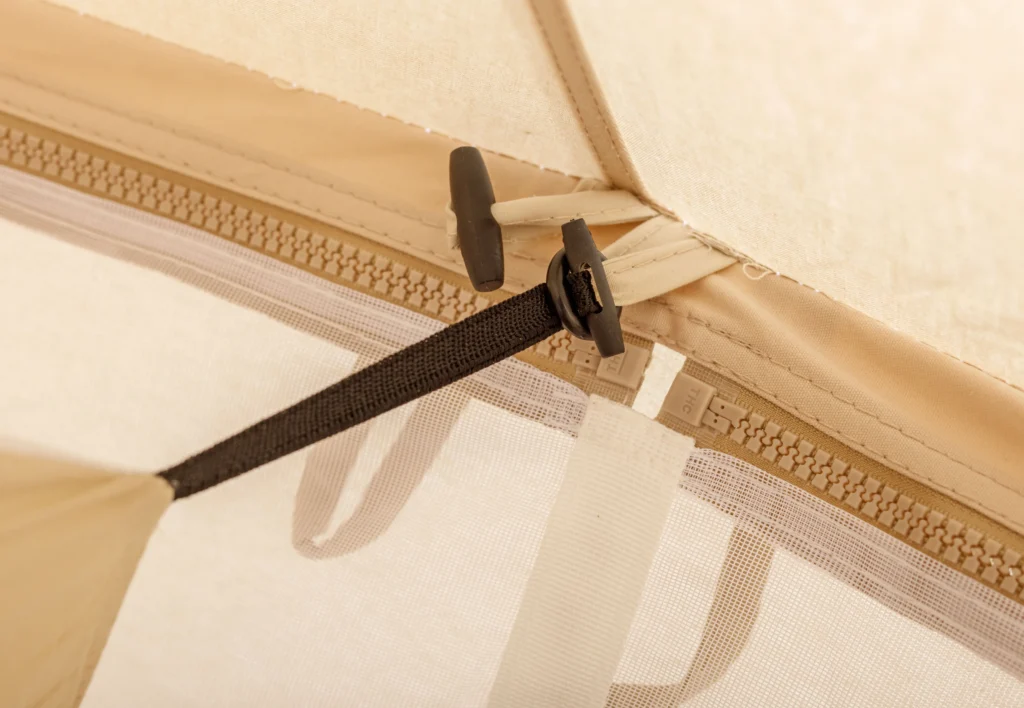
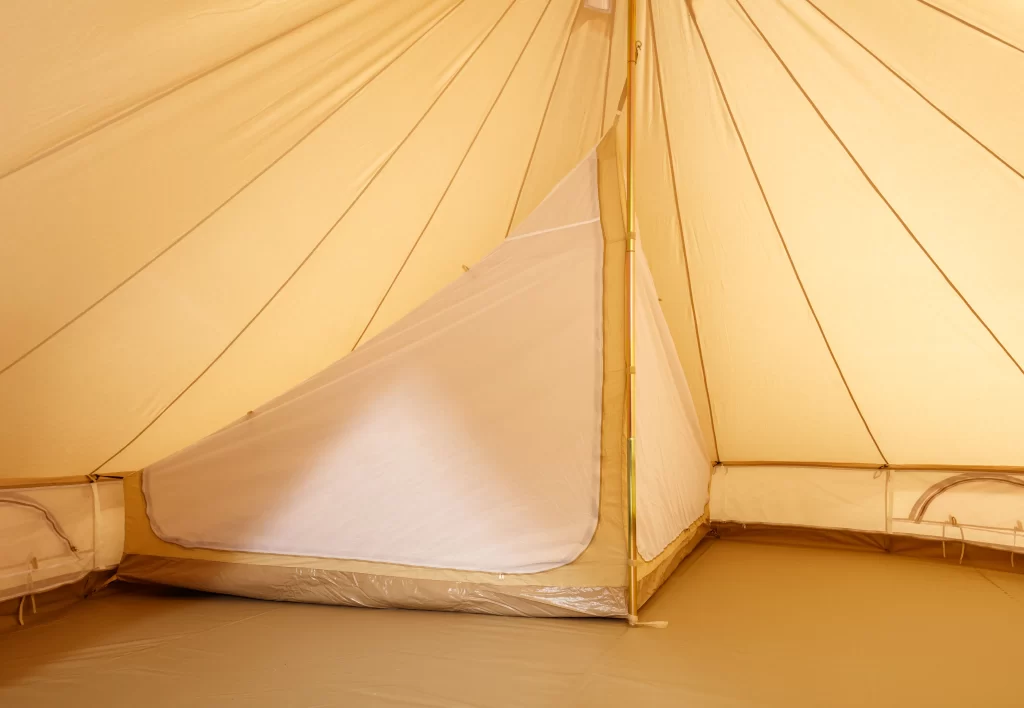
An inner tent adds another barrier against insects and mosquitoes, particularly when made with fine mesh doors and windows.
This is a huge advantage for summer camping, camping near water, or warmer climates where insects can become an issue overnight.
You can enjoy airflow and ventilation while still keeping the sleeping area protected.
6. Helps Keep Your Tent Organised
One of the challenges with larger bell tents is managing the open space efficiently.
An inner tent naturally divides the tent into separate zones, making it easier to create:
- A sleeping area
- A lounge or dining area
- Storage space
- A kids’ section
This simple separation often makes the entire tent feel cleaner, calmer, and more functional during longer stays.
7. Flexible Setup Options
The beauty of bell tents is versatility, and inner tents add even more flexibility.
You can:
- Install the inner for family trips
- Remove it for open-plan glamping
- Use half inners to retain living space
- Adapt the layout depending on the season or trip style
This allows one bell tent to serve multiple purposes over many years.
8. Perfect for Long-Term or Semi-Permanent Camping
For extended camping trips, glamping setups, farm stays, or backyard accommodation, inner tents help create a more home-like environment.
They make the space feel more structured, comfortable, and liveable — especially when combined with flooring, rugs, beds, and lighting.
Is an Inner Tent Necessary?
Not always — and that’s part of the beauty of bell tents.
Some campers love the open, minimalist feeling of a completely empty canvas space. Others prefer the added comfort and practicality of a defined sleeping area.
An inner tent simply gives you more options.
For families, cooler climates, festival camping, or longer stays, many bell tent owners find it becomes one of their most-used accessories.
Final Thoughts
A bell tent is already one of the most versatile camping shelters ever created. Adding an inner tent simply expands what it can do.
From improved warmth and bug protection to better organisation and privacy, an inner tent can make camping more comfortable, practical, and enjoyable — especially for families and frequent campers.
Whether you’re creating the perfect glamping setup or simply looking for a better night’s sleep outdoors, an inner tent is one of the easiest upgrades you can make to your bell tent experience.
Other posts that may be of interest:
- Bell Tent Protector article
- Winter camping article
- Gstove products
- Canvas care article