Do You Need Council Approval for a Glamping Tent? What Australian Operators Should Check Before Investing
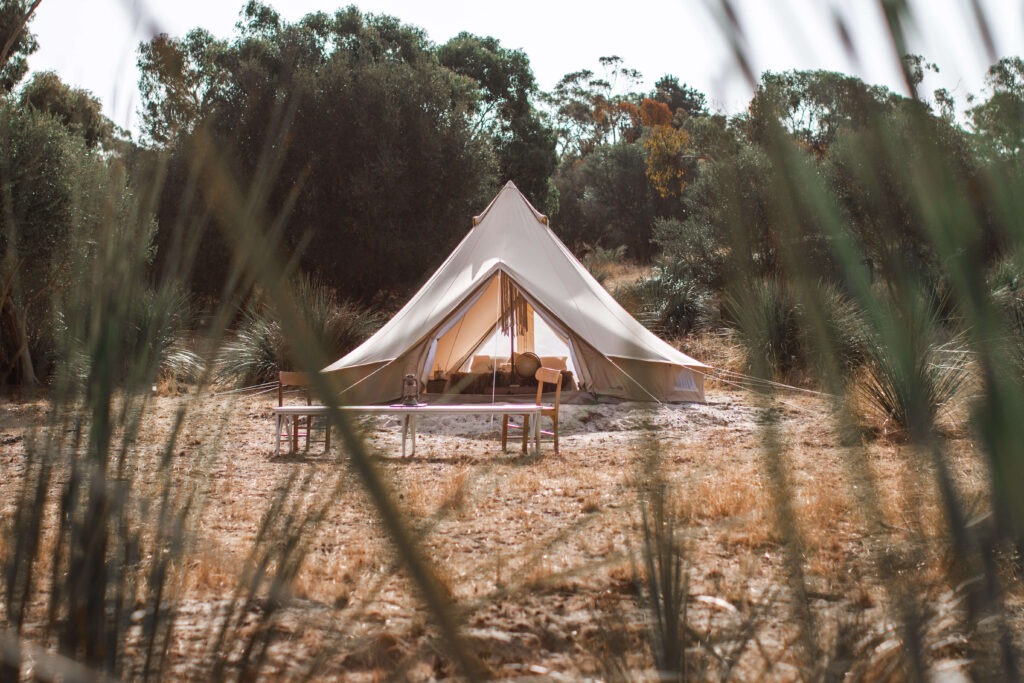
Glamping can be an exciting way to diversify a farm, caravan park, winery, retreat or regional tourism property. Compared with building conventional cabins, canvas accommodation may appear relatively simple to establish—but buying a tent is only one part of creating a compliant commercial glamping operation.
One of the first questions every prospective operator should ask is:
Do I need council approval for a glamping tent?
In many cases, the answer will be yes—or, at the very least, you will need written confirmation from your local council about how the proposed accommodation will be classified and which approvals apply.
A glamping tent may be portable, removable or mounted on a platform, but that does not automatically make it exempt from planning, building, health or operational requirements.
The exact rules vary between states, councils, land zones and individual sites, so it is important to investigate approvals before purchasing tents, constructing platforms or advertising accommodation.
This article provides general information only. Planning and building requirements vary considerably, and you should obtain advice relating specifically to your property and proposed business.
Why can a glamping tent require approval?
Councils generally consider more than whether the structure is technically a tent.
They may also look at:
- How the land will be used
- Whether guests will pay to stay
- How many tents or guests are proposed
- How long the tents will remain erected
- Whether they are installed on platforms
- Whether plumbing, bathrooms, kitchens or electricity will be provided
- Vehicle access and parking
- Bushfire, flood and environmental risks
- Wastewater and waste disposal
- The effect on neighbours and the surrounding area
A single recreational tent erected occasionally for personal use is very different from several furnished tents being operated as year-round tourist accommodation.
Once a tent is permanently or semi-permanently installed and offered to paying guests, it may be treated as part of a camping ground, caravan park, eco-tourist facility, tourist accommodation business or another defined land use.
Portable does not necessarily mean approval-free
It is easy to assume that a canvas tent is exempt because it can be dismantled. Unfortunately, portability alone does not determine whether approval is required.
For example, official Australian licensing information can include a “tent or other structure that can be readily assembled and disassembled” within the definition of accommodation provided by a camping ground or caravan park.
In NSW, certain council approval information defines a moveable dwelling as including a tent or other portable structure used for human habitation. Queensland guidance also identifies local-government and development approvals that may apply to commercial camping grounds and temporary accommodation.
The terminology differs between jurisdictions, but the underlying message is consistent: confirm the proposed use with your council rather than assuming a removable structure is exempt.
A cautionary example from Victoria
The importance of obtaining clear written approval was highlighted recently when four luxury glamping tents at an established Victorian holiday park were reportedly required to be removed following a dispute over their classification and permits.
The tents had reportedly cost between $80,000 and $100,000 each. The situation prompted broader industry concern about inconsistent interpretations of glamping accommodation between councils.
Whatever the eventual regulatory outcome, it illustrates a vital lesson for operators across Australia:
Do not rely on verbal advice, assumptions or another operator’s experience. Obtain written guidance for your own site and proposal before making a substantial investment.
What should you check before purchasing glamping tents?
1. Land zoning and permitted use
Start by checking the zoning of the property.
Ask whether commercial tourist accommodation, a camping ground, caravan park, farm stay or eco-tourist facility is permitted in that zone. In some areas it may be permitted with consent; in others it may be prohibited or subject to additional conditions.
Existing approval for a farm, residence, winery or event venue does not necessarily include permission to provide overnight accommodation.
Changing from private use to paid accommodation—or increasing the number of guests or accommodation units—may also constitute a change or intensification of use.
2. Planning or development approval
Ask the council whether the proposal requires a planning permit or development application.
Be ready to explain:
- The number and size of tents
- Maximum guest capacity
- Whether the tents will remain pitched
- Seasonal or year-round operation
- Proposed platforms, decks and pathways
- Bathrooms and wastewater arrangements
- Access, parking and deliveries
- Communal kitchens or other guest facilities
- Lighting, signage and landscaping
- Proposed events or group bookings
A council cannot give useful guidance if the proposal is described only as “putting up a tent.” Explain the complete commercial use you are considering.
3. Classification of the tents and associated structures
Ask how the tents will be classified under the relevant local and state rules.
Possible descriptions may include:
- Tent or campsite
- Moveable dwelling
- Temporary accommodation structure
- Camping ground
- Caravan park accommodation
- Tourist or visitor accommodation
- Eco-tourist facility
- Building or building work
The classification can affect the planning, construction, safety and operational requirements that apply.
Platforms, decks, bathrooms, kitchens and other associated structures may require separate approval even where the tent itself is treated as moveable.
4. Building approval and structural requirements
Depending on the design and installation, a building surveyor or certifier may need to consider the tent, its platform or its associated facilities.
Potential issues include:
- Structural stability
- Wind ratings and anchoring
- Deck construction
- Balustrades and stairs
- Emergency exits
- Smoke alarms
- Fire separation
- Electrical installation
- Accessibility
- Sanitary facilities
In Queensland, for example, the state publishes specific requirements for certain temporary accommodation buildings, including structural, fire-safety, health and amenity provisions. Local government may also need to approve longer-term use.
Queensland temporary accommodation guidance
5. Bushfire risk
Many of the locations best suited to glamping are also located in bushland or regional areas with elevated bushfire risk.
Your proposal may require:
- A bushfire assessment
- Defendable space or asset-protection zones
- Emergency vehicle access
- Evacuation plans
- Firefighting equipment
- Restrictions during elevated fire-danger periods
- Separation between accommodation units
- Clear guest communication and management procedures
Do not assume that using a canvas structure removes the need for formal bushfire planning. It may make emergency planning even more important.
Fire-retardancy requirements should also be confirmed before purchasing. Not every canvas tent is manufactured from certified fire-retardant material, and requirements can vary according to the proposed use.
6. Flooding, drainage and severe weather
A beautiful riverside or low-lying location may be attractive to guests while presenting serious planning and operational risks.
Check whether the proposed site is affected by:
- Flood overlays
- Overland water flow
- Coastal hazards
- Stormwater requirements
- Erosion or unstable ground
- Cyclonic or high-wind conditions
Your operating plan may need to include weather monitoring, closure thresholds, evacuation procedures and a process for lowering or removing tents before severe weather.
7. Toilets, showers and wastewater
Providing comfortable bathroom facilities is often central to a successful glamping business, but it can also be one of the most complex parts of an application.
Ask the relevant council or authority about:
- Minimum toilet and shower numbers
- Accessible facilities
- Septic or wastewater approval
- Connection to sewer
- Greywater management
- Potable water
- Cleaning and maintenance requirements
- Distance between accommodation and amenities
A composting toilet or portable bathroom is not automatically approval-free. The complete wastewater solution must be suitable for the site and anticipated guest numbers.
8. Access, parking and emergency vehicles
Councils may assess how guests, service vehicles and emergency responders will enter and move through the property.
Consider:
- Road condition and width
- Sightlines at the property entrance
- Guest parking
- Turning areas
- Fire-truck access
- All-weather internal roads
- Pedestrian paths
- Lighting
- Access for people with disability
- Separation between vehicles and guest areas
An otherwise suitable glamping site can encounter difficulties if safe access cannot be demonstrated.
9. Food, alcohol and guest experiences
Additional approvals may apply if the business will also provide:
- Breakfast hampers or prepared meals
- A communal kitchen
- Alcohol
- Weddings or functions
- Outdoor baths or spas
- Guided tours
- Farm experiences
- Open fires or wood-burning stoves
- Massage or wellness services
These experiences can make a glamping business more memorable and profitable, but they should be included in the approval discussion from the beginning.
10. Business licensing and ongoing operation
Development approval may not be the only requirement.
Depending on your location and business model, you may also require:
- Approval or a licence to operate a camping ground
- Food-business registration
- Liquor licensing
- Public-liability insurance
- Guest registers
- Emergency and evacuation plans
- Fire-safety inspections
- Waste-management procedures
- Ongoing council inspections or renewals
The Australian Business Licence and Information Service can help identify licences and approvals associated with a particular business and location.
Search the Australian Business Licence and Information Service
What if you already operate a caravan park or accommodation business?
Existing operators may have a simpler pathway, but approval should still be checked.
An existing caravan park approval does not necessarily permit an unlimited number of additional accommodation units. Adding glamping tents may change:
- Approved site numbers
- Guest capacity
- Parking demand
- Wastewater load
- Fire-safety requirements
- The approved site plan
- The intensity or type of land use
Ask the council whether the tents are covered by the existing approval or whether a modification, amendment or new application is required.
What should you send to the council?
A brief written project outline will usually produce a more useful response than a general telephone enquiry.
Include:
- Property address and lot details
- Existing land use
- Proposed number and size of tents
- Maximum guests per tent and across the site
- Whether accommodation will be paid
- Seasonal or year-round operation
- Expected length of time each tent will remain erected
- Details of decks or platforms
- Proposed anchoring method
- Toilets, showers and wastewater
- Electricity, lighting, heating and cooking
- Vehicle access and parking
- Bushfire and flood considerations
- Any communal areas, events or additional activities
- A preliminary site plan
Ask the council to identify which planning, building, environmental, health and operational approvals may apply.
Questions to ask your council
The following questions provide a useful starting point:
- Is commercial glamping or tourist accommodation permitted within the property’s zoning?
- How would the proposed tents and land use be classified?
- Is development or planning approval required?
- Is a separate approval required to operate a camping ground or accommodation business?
- Do the tents, platforms, decks or amenities require building approval?
- Are there minimum setbacks between tents, boundaries, waterways or vegetation?
- What bushfire, flood or environmental assessments are required?
- What toilet, shower, potable-water and wastewater facilities must be provided?
- What access, parking and emergency-vehicle requirements apply?
- Are there accessibility requirements?
- Are there restrictions on wood heaters, fire pits, kitchens or outdoor baths?
- Which documents must be submitted with an application?
- Can the council’s preliminary advice be provided in writing?
For a larger project, engaging a town planner, bushfire consultant, building certifier or wastewater specialist early may save considerable time and expense later.
Should you buy the tents before obtaining approval?
For a commercial project, we generally recommend investigating the approval pathway before committing to the complete tent order or constructing permanent site infrastructure.
You may need tent dimensions and product information to support an application, but that is different from purchasing an entire accommodation village before knowing whether the proposed use will be permitted.
A sensible sequence is:
- Develop the initial business and site concept.
- Seek preliminary council advice.
- Engage the necessary planning and technical consultants.
- Confirm the likely approval pathway and site constraints.
- Select the tent model and prepare a detailed layout.
- Submit the required applications.
- Finalise purchasing and construction in line with the approvals received.
This approach also prevents money being spent on platforms, bathrooms or landscaping that may later need to be moved or redesigned.
Choosing a tent for commercial glamping
Once you understand the approval requirements, choose a tent designed for the way it will actually be used.
A recreational tent erected for occasional weekends faces very different conditions from commercial accommodation left pitched for an extended season.
Commercial operators should consider:
- Canvas quality and weight
- Ventilation
- Weather resistance
- Door configuration
- Guest capacity
- Ease of cleaning
- Availability of replacement parts
- Repairability
- Long-term UV protection
- Heating and cooling options
- Maintenance requirements
- Deck and site footprint
- The ability to remove the tent during extreme weather
At Breathe Bell Tents, we generally recommend our Apex Professional Series for commercial glamping, caravan parks, farm stays and other extended-use applications. It is our most durable Sibley-style tent and has been designed with professional and longer-term use in mind.
A CoolAir Protector can provide additional shade and protection for tents left erected for extended periods, while short guy poles may help reduce the space required around each tent. The suitability of every component must still be considered as part of the site design and approval process.
Plan first, invest with confidence
Glamping can allow a tourism business to create highly memorable accommodation and make productive use of a beautiful regional property. However, the most successful projects begin with much more than choosing furniture and tent colours.
They begin with a clear understanding of:
- What the land permits
- How the accommodation will be classified
- Which approvals are required
- How guests will access and use the site safely
- How the tents will be managed in Australian conditions
Confirming these matters early protects your investment and gives you a stronger foundation on which to build the business.
Breathe Bell Tents can help you compare tent sizes, commercial models, protectors and accessories. While we cannot determine the approvals required for an individual property, we can provide relevant product information for you to discuss with your council, planner or building professional.
Planning a caravan park, farm stay or commercial glamping project? Contact Breathe Bell Tents to discuss the Apex Professional Series and the practical requirements of your proposed tent accommodation