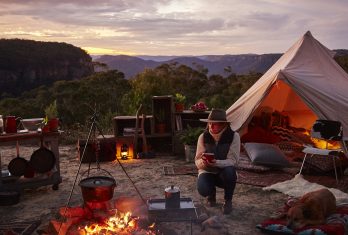
Transforming an Outdoor Space into a Calming Pop-Up Studio: Bell Tents and Sibley Tents for Yoga and Massage
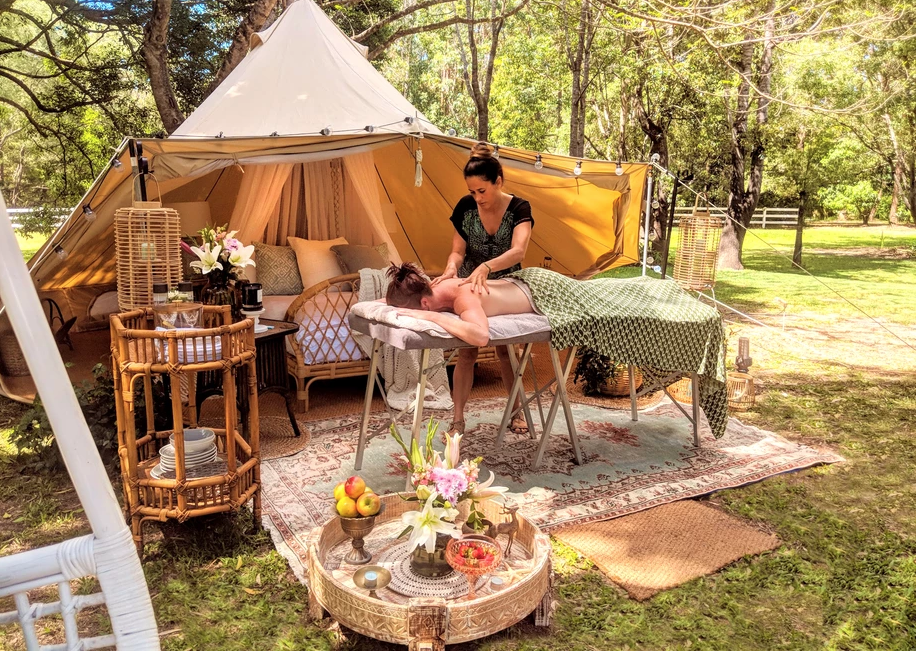
Outdoor life is all about atmosphere. When you pair a bell tent or a Sibley-style tent with mindful intentions, you create a serene, intimate space that invites clients to slow down, breathe, and reconnect.
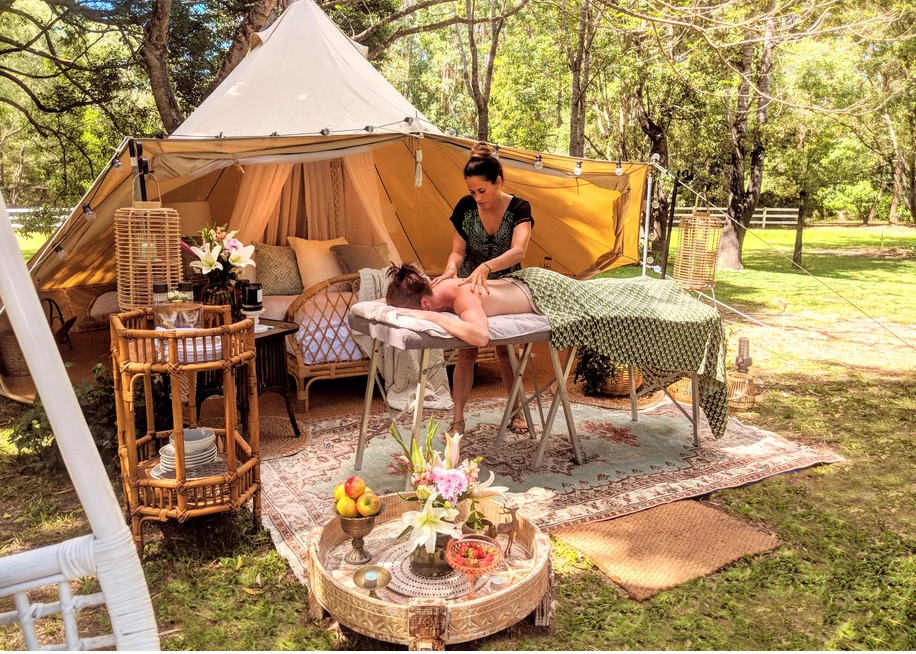
Whether you’re launching a temporary pop-up yoga studio or a short-term massage space, these tents offer a versatile, stylish, and photogenic solution that works in backyards, parks, festivals, or small urban lots.
Why a bell tent or Sibley tent makes sense
- Aesthetic calm: The soft curves of a bell tent or the classic silhouette of a Sibley tent establish a soothing, nature-inspired ambiance that’s instantly inviting in photographs.
- Privacy and focus: The canvas walls and optional curtains or mesh panels provide privacy for clients while maintaining an airy, breathable feel.
- Versatility: These tents can function as a quiet practice space for yoga, a massage room, or a hybrid studio for workshops, sound baths, or guided meditations.
- Easy setup and teardown: Many models go up with a manageable number of poles and guy ropes, allowing you to create a studio quickly at pop-up events or temporary locations.
- Sound and light control: Thick canvas fabrics help dampen external noise and control light, especially when paired with blackout liners, rugs, and soft lighting.
Planning your pop-up studio
-
Location and regulations
- Check local permits, park rules, and venue requirements for temporary structures.
- Ensure stable ground, access for clients, and a plan for weather contingencies (wind, rain, heat).
- Consider accessibility: a smooth, level surface and a clearly marked entrance.
-
Tent selection and setup
- bell tent: Typically a single central pole with wide floor space beneath a tall peak. Great for open-flow layouts and single-room configurations.
- Sibley tent: Known for its larger footprint and robust frame—often multiple stakes and thicker canvas. Good for longer sessions or larger groups.
- Floor plan ideas:
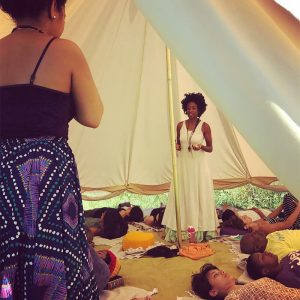
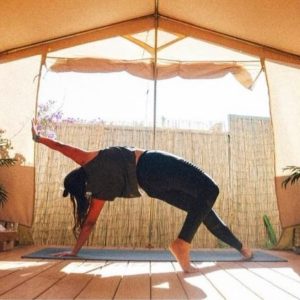
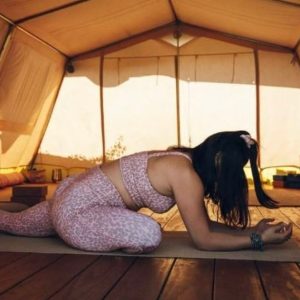
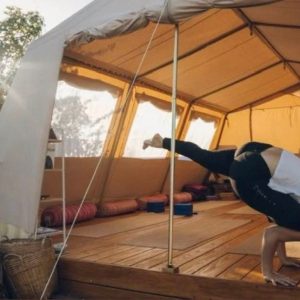
- Yoga: One open practice area with mirrored visibility, a small reception corner, and a storage nook.
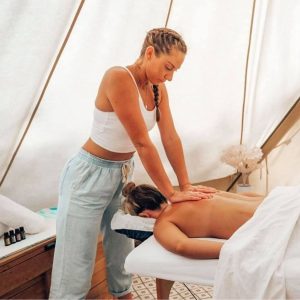
- Massage: A calm treatment room with a massage table, a privacy screen, and low-height storage.
- Accessories to consider:
- Ground cover: Thick mats, ritual rugs, or cork/foam underlayment to insulate and define zones.
- Drapery or curtains: For added privacy and a soft, spa-like feel.
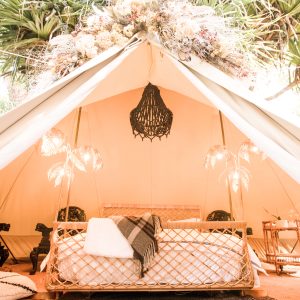
- Lighting: Warm, low-intensity bulbs, LED string lights, or lanterns. Use dimmable lights to control mood.
- Climate control: Portable fans or space heaters (with care), and breathable fabrics to manage temperature.
- Sound: Soft background music system or portable projector for guided sessions.
- Privacy: Curtains, screens, or partition walls inside the tent.
-
Layout and flow
- Reception to practice: A small welcome area with a sign-in sheet, wares, and water.
- Practice floor: Keep the main practice space uncluttered (yoga: 1–2 mats per side; massage: space for the table with clearance around it).
- Transition zones: A quiet corridor for clients to move in and out, with a robe or towel station and a small waste/recycling bin.
-
Client comfort and etiquette
- Mats, towels, and props: Provide high-quality mats, bolsters, blocks, and blankets for yoga; for massage, ensure clean linens and a sterilized environment.
- Hygiene: Ultra-clean linens, sanitized surfaces, and a clear policy for cancellations or late arrivals.
- Privacy and boundaries: Use closed doors or screens, and respect client modesty with appropriate draping for massages.

-
Marketing and storytelling through photography
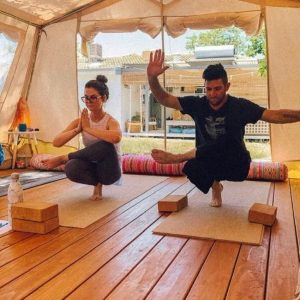
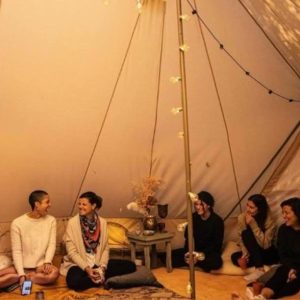
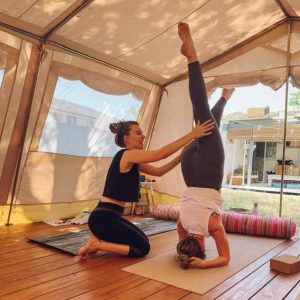
- Use your beautiful photographs to tell the story of your pop-up studio: setup, the space, the practice, and the ambience.
- Photo ideas:
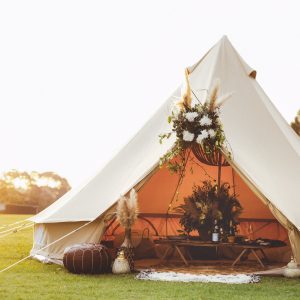
- Exterior shot of the tent in your chosen location with seasonal lighting.
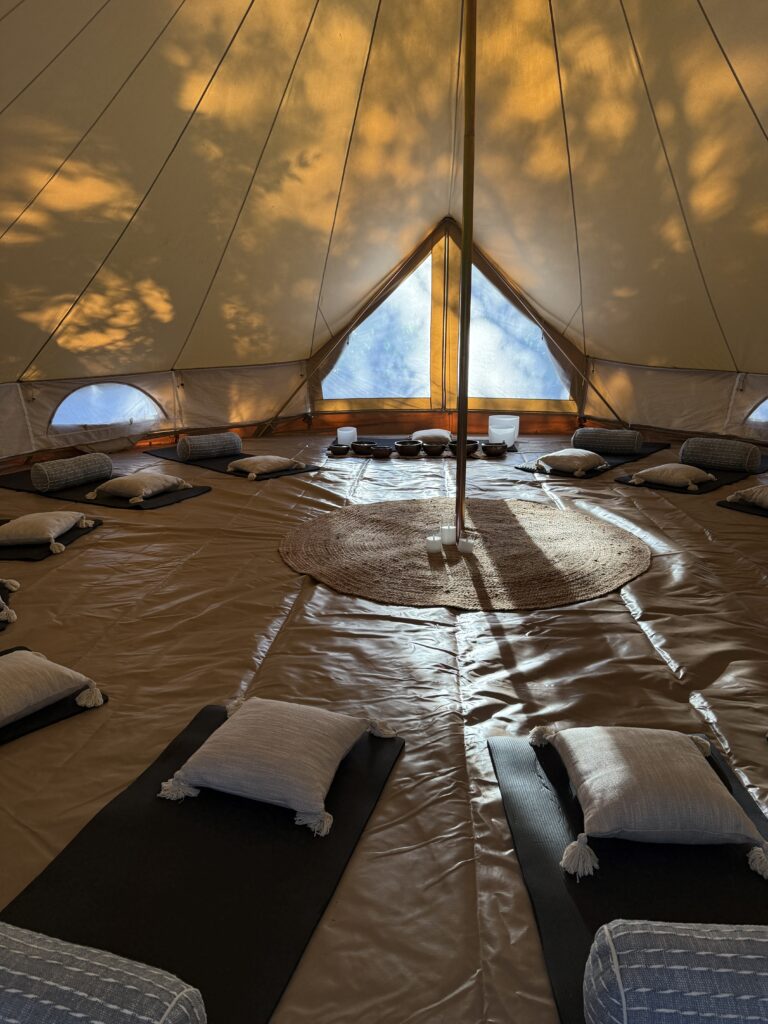
- Interior ambiance showing the practice area: mats, props, lighting, and textures.
- Close-ups: fabric, textures, candles, essential oils, and hands in gesture.
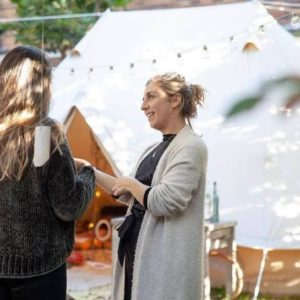
- Candid moments: a teacher guiding a sequence, or a client relaxing during a massage.
- Process shots: tents being pitched, warm-up rituals, or the preparation corner.
- Shot composition tips:
- Natural light during golden hour for warm skin tones.
- Wide-angle shots to capture scale and layout.
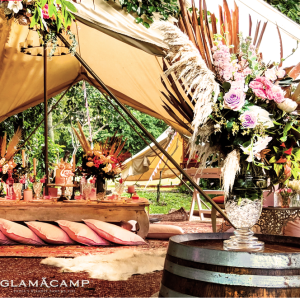
- Use depth: place a foreground element (rug, plant) to add depth to the tent interior.
- Details matter: textures of canvas, wood, textiles, and steam from aromatherapy.
- Ethical and practical photography notes:
- Secure consent from clients for images used in marketing.
- Blur faces if needed or offer opt-in photo releases.
- Avoid over-editing; preserve the natural atmosphere.
Practical setup checklist
- Tents and frames (bell or Sibley)
- Ground protection: rugs, mats, or decking sheets
- Climate and comfort: fans, heaters, blankets, breathable fabrics
- Lighting: warm bulbs, lanterns, string lights, dimmable options, candle/tea light chandeliers
- Privacy and partitions: curtains, screens
- Yoga/massage gear: mats, blocks, bolsters, massage table, linens
- Sanitation: clean linens, sanitizing wipes, hand sanitizer
- Sound and scent: gentle background music, essential oil diffuser (check client sensitivities)
- Signage and branding: a simple banner, business cards, and a booking QR code
- Weather contingency plan: rain cover, wind stabilization, or a covered outdoor space
Safety and best practices
- Structural stability: follow manufacturer guidelines for staking and guy lines; avoid over-tightening seams in high winds.
- Fire and heat: maintain safe distances of heating sources; never leave hot lamps unattended.
- Hygiene: replace linens between clients; use disposable or washable covers.
- Access: ensure clear entry paths and avoid blocking emergency exits.
- Insurance: confirm your liability and event insurance coverage for temporary spaces.
Incorporating sustainability
- Use durable, repurposable fabrics and props.
- Choose local, responsibly sourced decor and materials.
- Reuse the same setup for multiple sessions, adjusting layout as needed to minimize waste.
Closing thoughts: A bell tent or Sibley tent is more than just a shelter—it’s a curated experience. By thoughtfully arranging the space, prioritizing client comfort, and weaving in compelling photography, your pop-up yoga studio or massage space can feel both intimate and expansive, inviting clients to linger in the moment even in a temporary setting.
Please sing out to Breathe Bell Tents if you have any questions or would like to brainstorm your ideas.
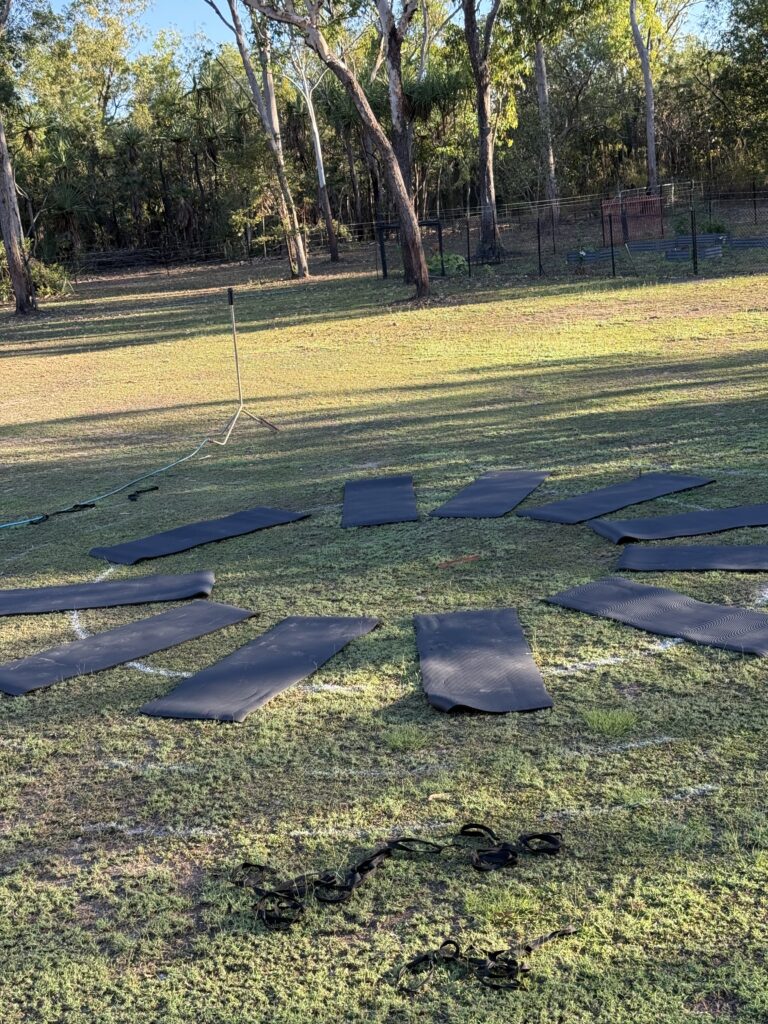
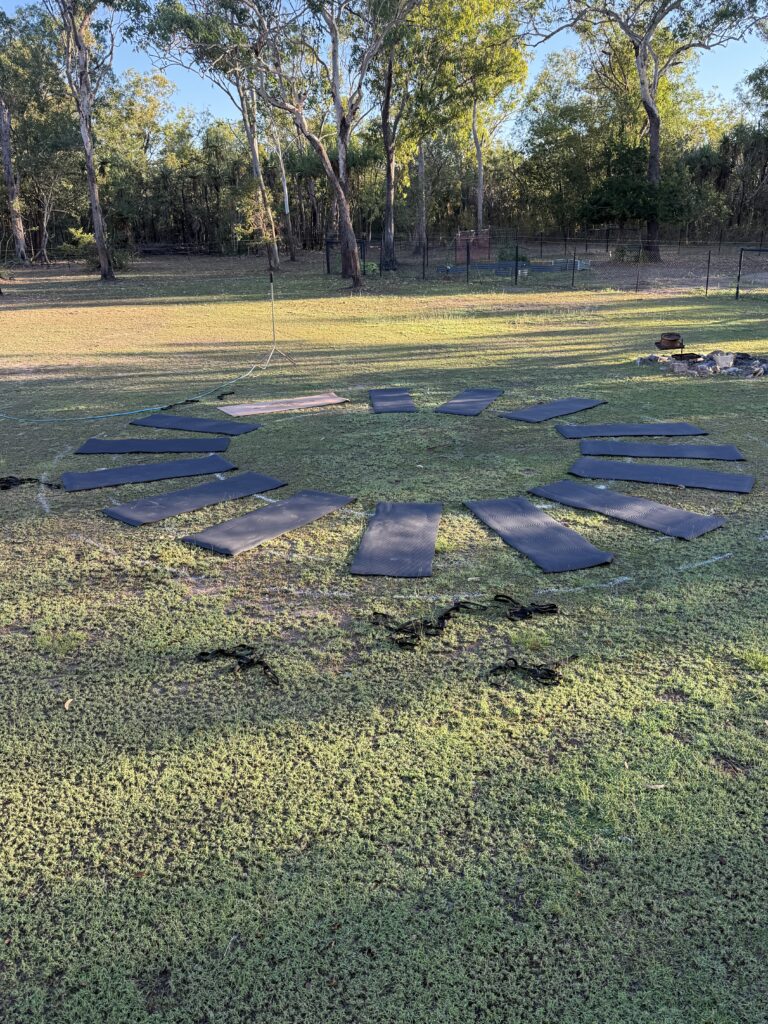
Yoga mats being mapped out on the ground to calculate how many to fit into a 7m or 8m diameter bell Tent: