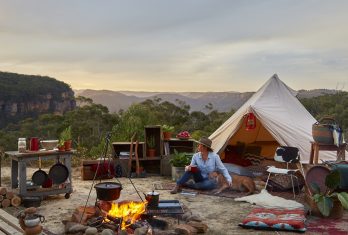
Can You Start a Glamping Business with Just One or Two Tents?
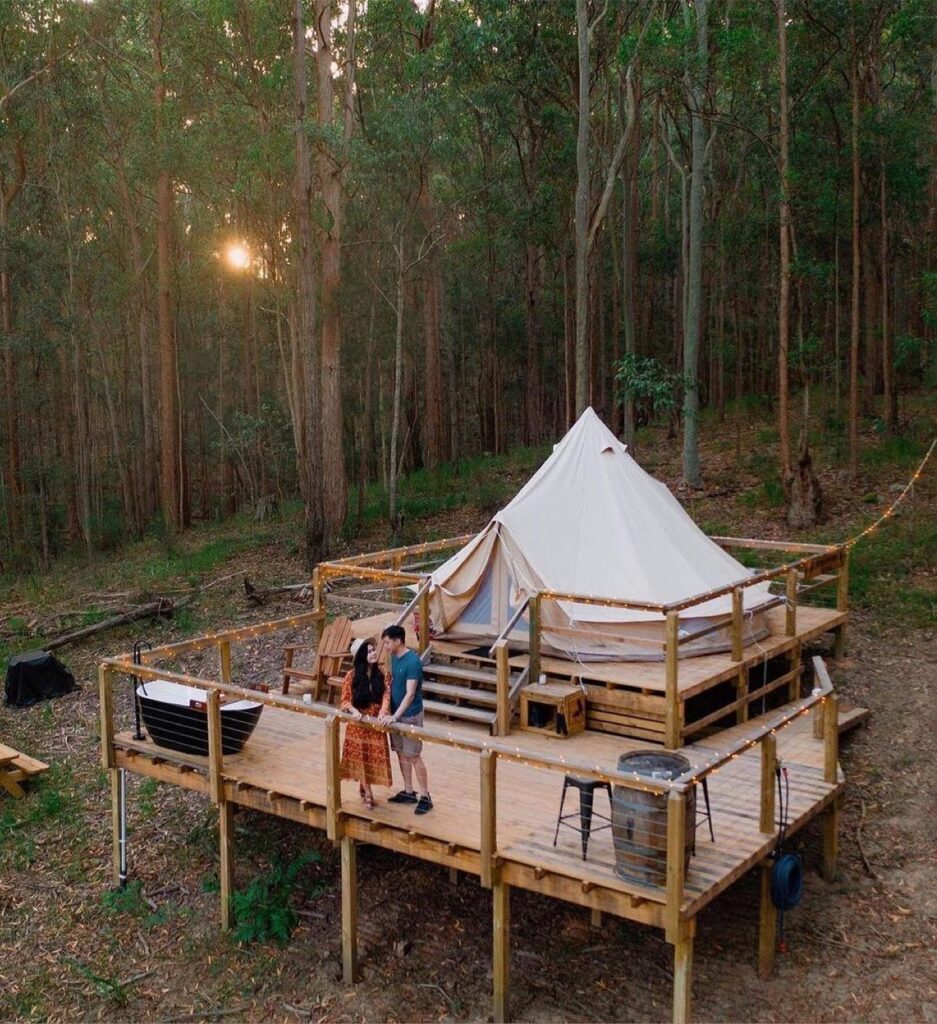
When people imagine starting a glamping business, they often picture a large resort with rows of tents, private bathrooms, a reception building and extensive guest facilities.
That can make the idea feel financially overwhelming—particularly for a farm, winery, rural property or existing accommodation business that simply wants to test whether glamping could work.
The good news is that a glamping business does not necessarily need to begin with ten or twenty tents.
In fact, starting with just one or two carefully planned tents can be a sensible way to test demand, develop your guest experience and learn what is involved before committing to a larger development.
A small glamping retreat can also be a compelling product in its own right. Many guests are not looking for a large resort. They are looking for privacy, peace, beautiful surroundings and an experience that feels personal.
However, small does not mean informal. Even a one-tent glamping business requires proper research, approvals, insurance, site preparation and operational planning.
Here is what to consider before you begin.
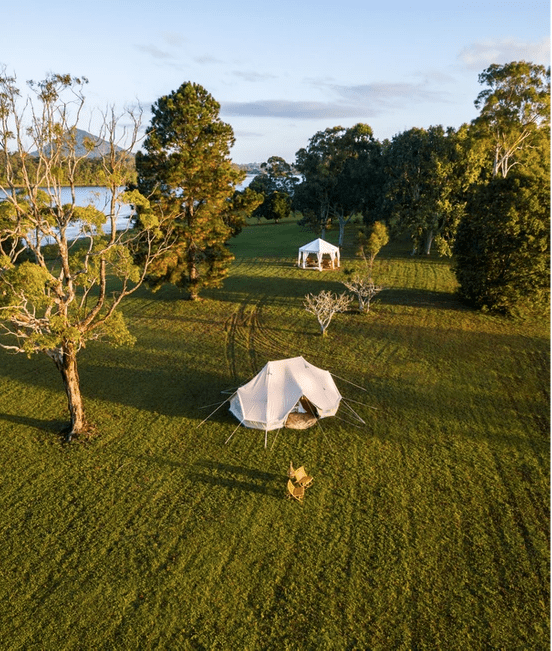
Is there demand for small-scale glamping?
Australia’s appetite for outdoor accommodation remains strong.
According to Tourism Research Australia, Australians took a record 17.3 million caravan and camping trips during 2025. These trips included glamping and generated $12.6 billion in spending. Regional Australia received 83% of caravan and camping expenditure made while travelling.
This creates an opportunity for regional landowners—but it does not mean every glamping concept will automatically succeed.
Guests are not simply booking a tent. They are booking:
- A beautiful or unusual location
- Privacy
- Time in nature
- A romantic escape
- A farm, vineyard or rural experience
- Comfort without conventional hotel accommodation
- A memorable story they can photograph and share
- An opportunity to slow down or disconnect
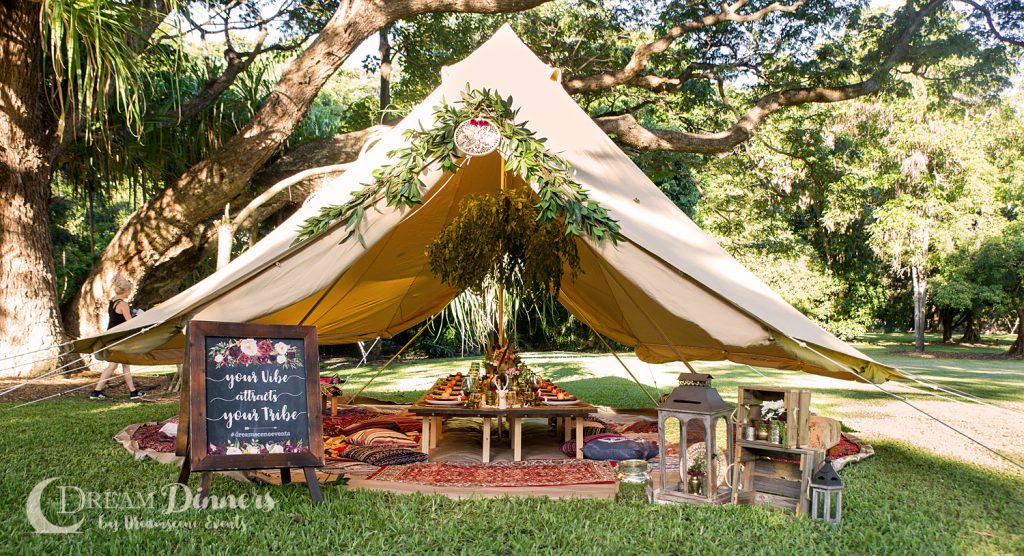
One thoughtfully positioned tent can deliver these benefits. A large resort is not always necessary.
The advantages of starting with one or two tents
Beginning at a smaller scale can reduce both financial and operational risk.
You can test genuine demand
It is easy to become enthusiastic about a glamping concept without knowing how readily guests will book it, what price they will accept or which seasons will be strongest.
One or two tents allow you to test:
- Occupancy
- Nightly rates
- Minimum-stay requirements
- Seasonal demand
- Guest demographics
- The most effective booking channels
- Cleaning and changeover requirements
- Maintenance costs
- The amenities guests value most
Actual booking and review data can then guide any expansion.
You can refine the experience
The first season will teach you a great deal.
Guests may love the outdoor bath but want more privacy. They may ask for breakfast hampers, better heating, additional shade, somewhere to store luggage or clearer directions for arriving after dark.
It is far easier to improve these details across one or two tents than across a fully developed site.
You can maintain quality personally
A small operation may allow the owner to oversee every arrival, inspect the tents carefully and add thoughtful personal touches.
This can create the kind of intimate hospitality that distinguishes a small glamping retreat from a larger holiday park.
You can grow in stages
If the first tent performs well, a second can be added. If two tents remain consistently booked and the operation runs smoothly, you can then investigate further expansion.
Staged growth allows demand—not optimism alone—to influence the size of the business.
One tent can still be a business
A single glamping tent may work particularly well when the property offers something genuinely special, such as:
- A secluded river frontage
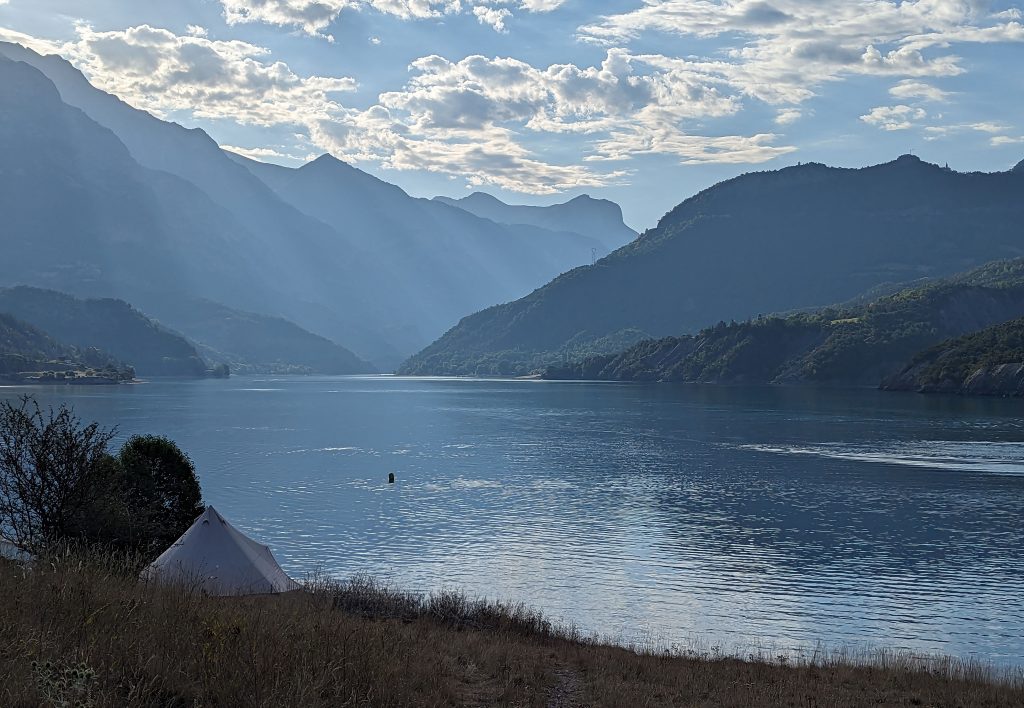
- Mountain, valley or vineyard views
- Access to walking or cycling trails
- A private woodland setting
- A working farm experience
- Proximity to a popular wedding venue
- Wildlife or birdwatching
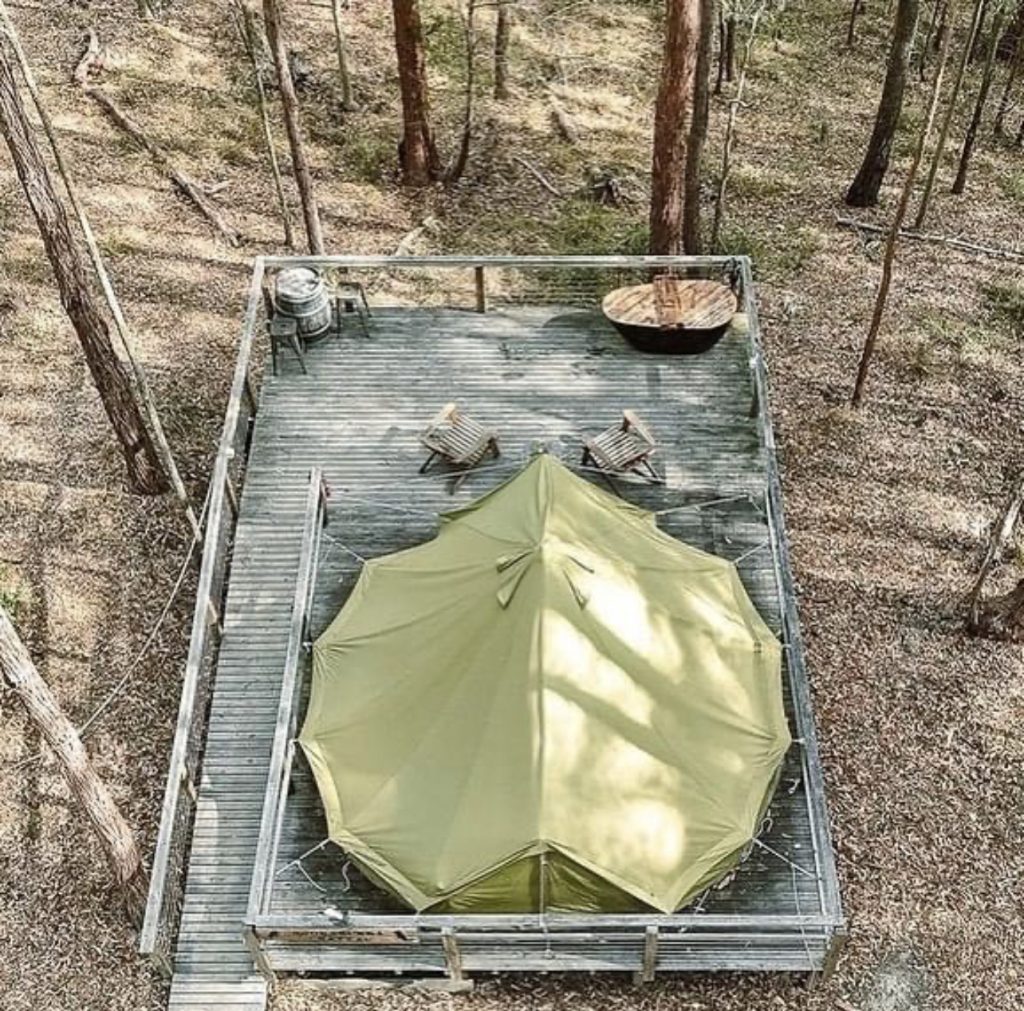
- An outdoor bath under the stars
- A compelling food, wine or wellness experience
Scarcity can become part of the appeal.
Instead of apologising for having only one tent, the operator can position it as:
One private retreat. No neighbouring guests. Just you and the landscape.
This approach is particularly suited to couples’ accommodation, romantic weekends and restorative escapes.
The challenge is that all establishment and operating costs must be supported by the revenue from one accommodation unit. It is therefore essential to calculate the numbers carefully.
Would two tents be more practical?
Two tents can provide additional earning capacity without immediately turning the property into a resort.
They also offer greater flexibility. The accommodation might be marketed as:
- Two completely private retreats
- A stay for two couples travelling together
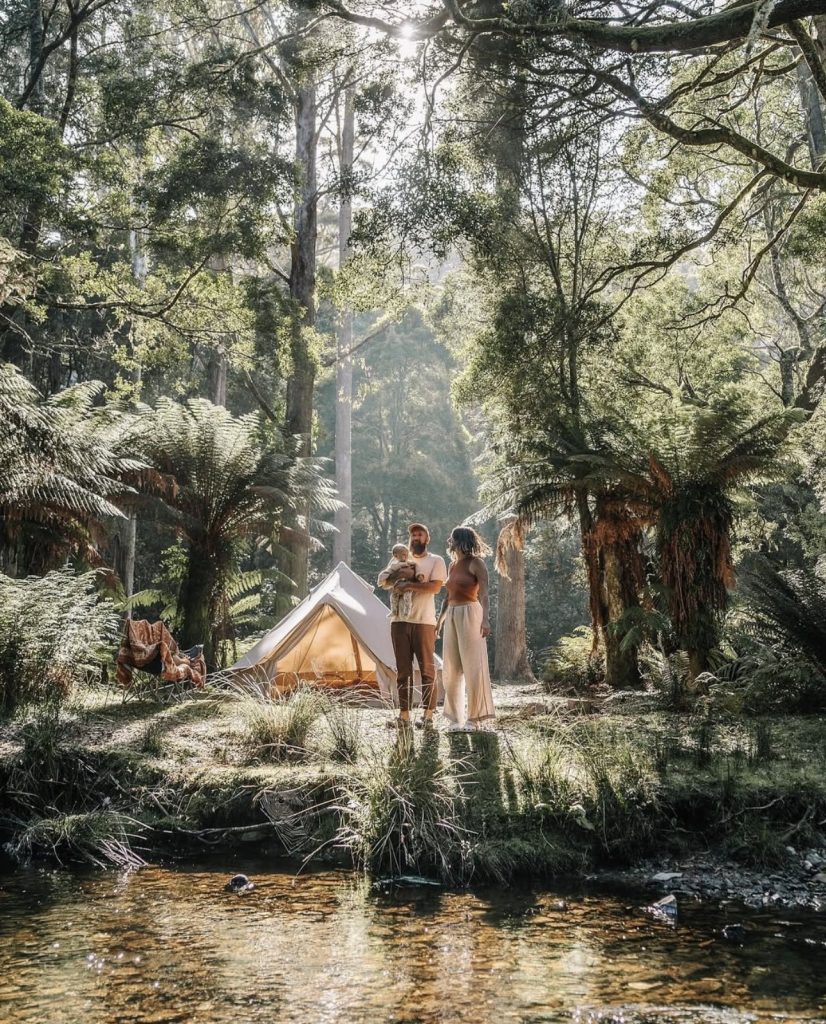
- A small family or multigenerational escape
- Accommodation for wedding guests
- A yoga, creative or wellness retreat
- A group booking that reserves the entire property
However, privacy becomes more important once a second tent is added.
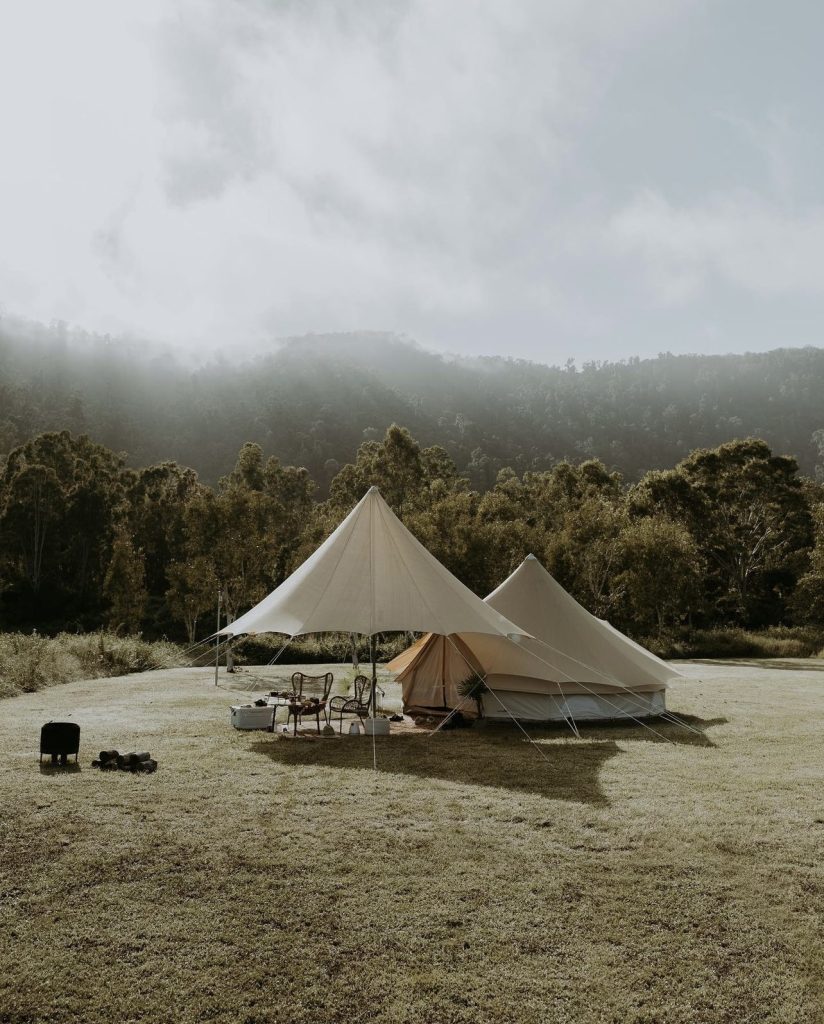
Guests should not feel that another couple is unexpectedly staying only a few metres away. Consider sightlines, noise, pathways, bathrooms, parking and outdoor areas before choosing the sites.
If privacy cannot be maintained, it may be better to market both tents as one exclusive group booking rather than two separate retreats.
Begin with the location—not the tent
A beautiful tent cannot compensate for a poorly chosen site.
Before deciding on the tent model, walk the property at different times of day and in different weather conditions.
Consider:
- Where the sun rises and sets
- Summer shade
- Winter sun
- Prevailing winds
- Drainage after heavy rain
- Exposure to bushfire and other local hazards
- Overhanging or unsafe trees
- Vehicle and emergency access
- Distance from parking
- Privacy from the main residence, roads and neighbours
- Access to electricity and water
- Wastewater requirements
- Mobile reception and Wi-Fi
- Views from inside the tent and from the bed
- Space required for guy ropes and safe pathways
- Access for cleaning and maintenance
The most scenic spot is not always the safest or most practical location.
A site that becomes waterlogged, receives harsh afternoon sun or is extremely exposed to wind may create ongoing maintenance and guest-comfort problems.
Do you need council approval for one or two glamping tents?
Potentially, yes.
A tent may be portable, but using it as paid visitor accommodation can still involve planning, building, environmental health, wastewater, bushfire and operational requirements.
The rules vary between states, councils, land zones and individual properties. They may also depend on:
- How long the tent remains erected
- Whether it is installed on a platform
- Whether electricity or plumbing is provided
- The number of guests accommodated
- Existing approved uses of the property
- Bushfire, flood or environmental overlays
- Access and parking arrangements
- Whether food is supplied
- The proposed wastewater system
Do not assume that beginning with only one tent automatically creates an exemption.
Before purchasing tents or constructing platforms, contact your local council and explain the proposed use clearly. You should also speak with your insurer and any relevant planning, bushfire, building or wastewater consultants.
Our guide, Do You Need Council Approval for a Glamping Tent?, outlines the questions Australian operators should investigate before investing.
Breathe Bell Tents can provide product information, but only the relevant authorities and suitably qualified advisers can determine what is permitted on a particular property.
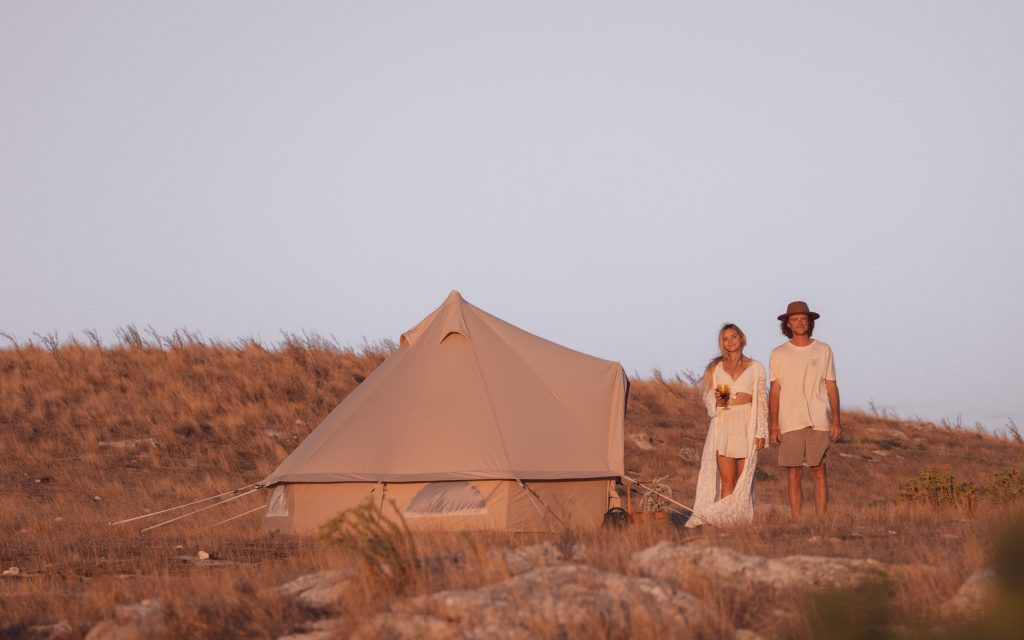
Work out the numbers before you begin
Starting small reduces the initial scale of the project, but it does not remove the need for a realistic business case.
Your budget may need to include:
- The tent and appropriate accessories
- Freight
- Site preparation
- A platform or prepared base
- Bathroom and wastewater facilities
- Electricity, solar or other power systems
- Water supply
- Furniture and bedding
- Heating, cooling and ventilation
- Landscaping and privacy screening
- Paths, steps and lighting
- Parking
- Fire and safety equipment
- Planning and professional fees
- Insurance
- Photography and website development
- Booking-system fees and commissions
- Cleaning and linen
- Repairs and ongoing maintenance
- Replacement components
- Seasonal closure or severe-weather costs
Then estimate likely revenue using a range of scenarios—not only the most optimistic one.
For example, model the business using conservative, moderate and strong occupancy. Allow for weekday vacancies, cancellations, seasonal changes, cleaning time and the possibility that the tent cannot operate during severe weather.
A full calendar is not the same as a profitable business.
Decide who the experience is for
Trying to appeal to everyone usually produces an indistinct glamping offer.
A small retreat benefits from a clearly defined guest.
You might create an experience for:
- Couples seeking a romantic weekend
- City guests wanting a quiet rural escape
- Visitors attending nearby weddings
- Families looking for an introduction to camping
- Walkers, cyclists or paddlers
- Wine and food travellers
- Artists or writers seeking solitude
- Wellness guests
- People travelling with dogs
- Guests wanting an off-grid digital detox
The intended guest will influence almost every decision, including tent size, bedding, bathroom design, styling, heating, food and minimum stays.
A couples’ retreat may prioritise privacy, a king bed and an outdoor bath. A family tent may need an inner tent, additional beds, secure food storage and more practical flooring.
Create value beyond the furniture
A beautiful bed and a few decorative cushions are no longer enough to make a glamping experience distinctive.
The most memorable stays connect the guest to the property.
This could include:
- A breakfast hamper featuring local produce
- Farm-fresh eggs
- A bottle of local wine
- A private firepit
- An outdoor bath
- A walking map
- Stargazing information
- Wildlife or bird guides
- Access to farm animals
- A picnic prepared by a nearby café
- Transfers to a winery or restaurant
- Yoga or massage partnerships
- A handwritten welcome note
- A story explaining the history of the land
These touches do not all need to be expensive. They need to feel genuine and relevant to the setting.
Guests often remember how a stay made them feel more clearly than the individual items provided.
Decide how guests will use the bathroom
Bathroom facilities are one of the most important considerations in commercial glamping.
Possible arrangements include:
- A private ensuite adjoining the tent
- A separate private bathroom nearby
- A high-quality shared amenities building
- An approved off-grid bathroom system
The appropriate option will depend on the guest, nightly rate, property, approvals, water supply and wastewater requirements.
Couples paying a premium rate will generally expect greater bathroom privacy and convenience than guests booking a more rustic farm stay.
Be very clear in your marketing photographs and description. Guests should understand whether the bathroom is private, shared, attached or a short walk from the tent before they book.
An attractive outdoor bath can become a powerful feature, but it does not replace the need for appropriate toilet, shower and wastewater arrangements.
Plan for Australian weather
A glamping tent is outdoor accommodation. Temperature and weather will influence the guest experience.
Consider how you will manage:
- Summer heat
- Cold winter nights
- Heavy rain
- Condensation
- Strong wind
- Bushfire conditions
- Local storm seasons
- Extended periods of wet weather
Quality canvas offers valuable breathability, but the site may still require shade, ventilation, fans or professionally planned air conditioning.
In colder regions, good bedding, electric blankets or safe heating may extend the operating season. Where a compatible wood-burning stove is used, it must be correctly installed with the required floor protection, flue components, clearances and operating procedures.
Every commercial outdoor-accommodation business should also have a severe-weather plan. This may include cancellation or relocation procedures and clear conditions under which the tent will not be occupied.
Choose a tent for the way it will be used
A recreational tent pitched for occasional weekends has a very different working life from a tent accommodating paying guests over an extended season.
Commercial operators should consider:
- Canvas specification
- Ventilation
- Door and window configuration
- Ease of cleaning
- Space for a commercial-quality bed
- Compatibility with heating or cooling plans
- Replacement-part availability
- Repairability
- Extended-use protection
- The ability to inspect and maintain the tent
- The manufacturer’s intended use and care requirements
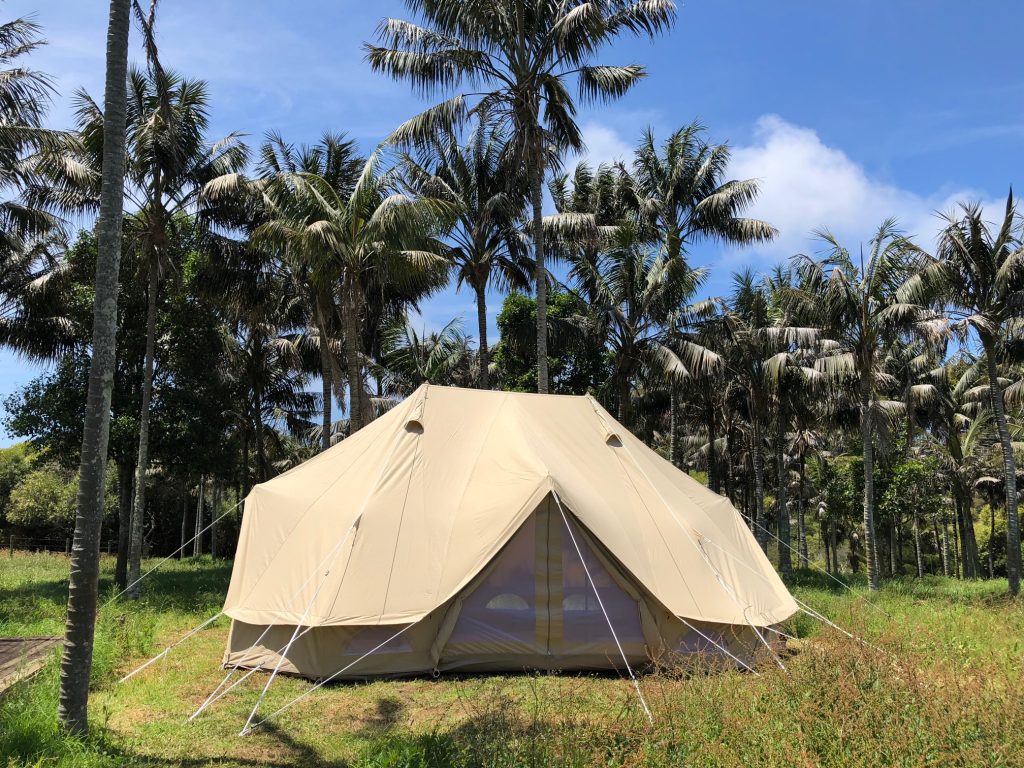
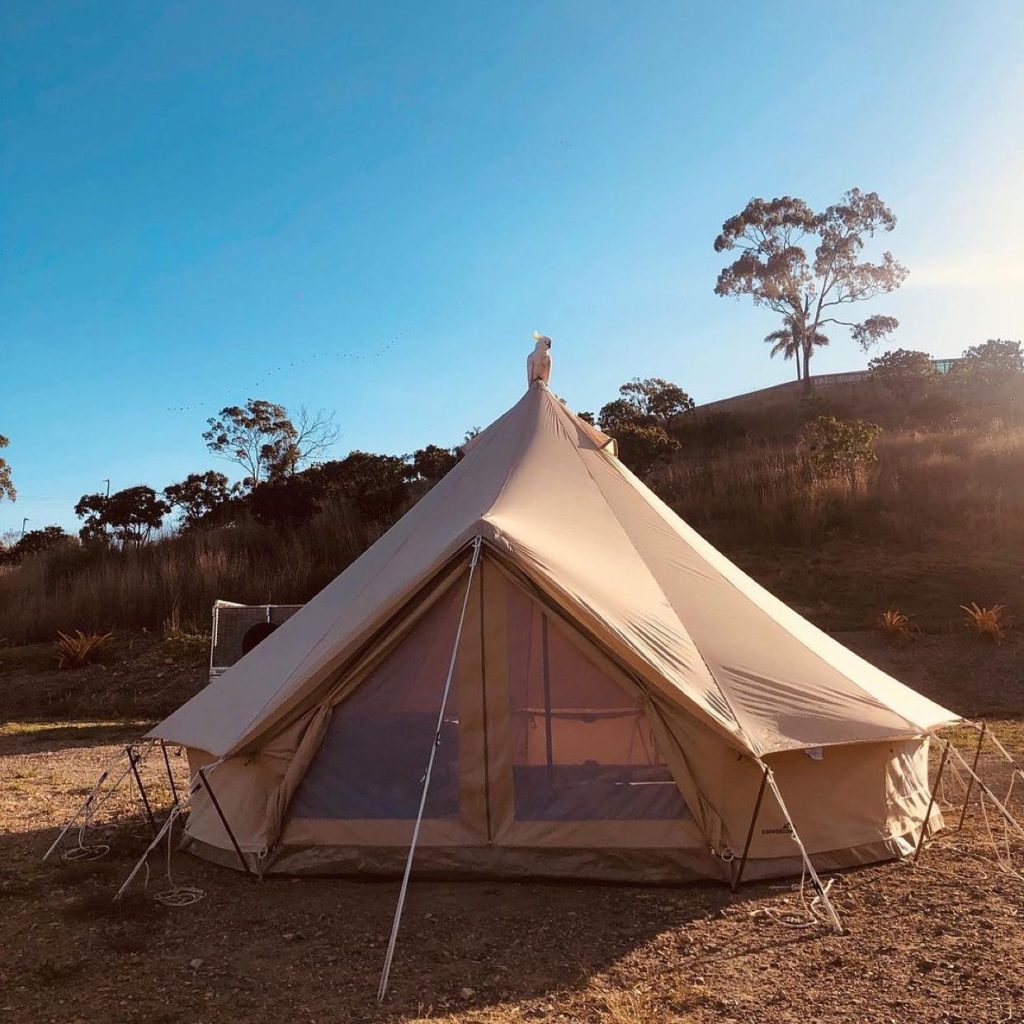
At Breathe Bell Tents, the Apex Professional Series is our most durable Sibley-style tent and is the model we generally recommend for glamping businesses, caravan parks and extended-use applications.
A suitable protector may also help reduce exposure to UV, tree debris and other environmental conditions. For extended use, our CoolAir Protector is generally preferable to a lightweight waterproof protector because its shade-sail-style mesh is better suited to prolonged Australian UV exposure.
No canvas tent is maintenance-free. Starting with a quality, repairable structure—and committing to regular inspection and care—is more sustainable than treating the tent as disposable accommodation.
Keep the first interior practical
It is tempting to spend heavily on styling, but the interior also needs to work operationally.
Choose furniture that:
- Fits comfortably without crowding the tent
- Can be moved for cleaning
- Allows airflow behind and underneath it
- Does not rub against the canvas
- Has no sharp edges that may cause damage
- Tolerates changes in temperature and humidity
- Provides practical guest storage
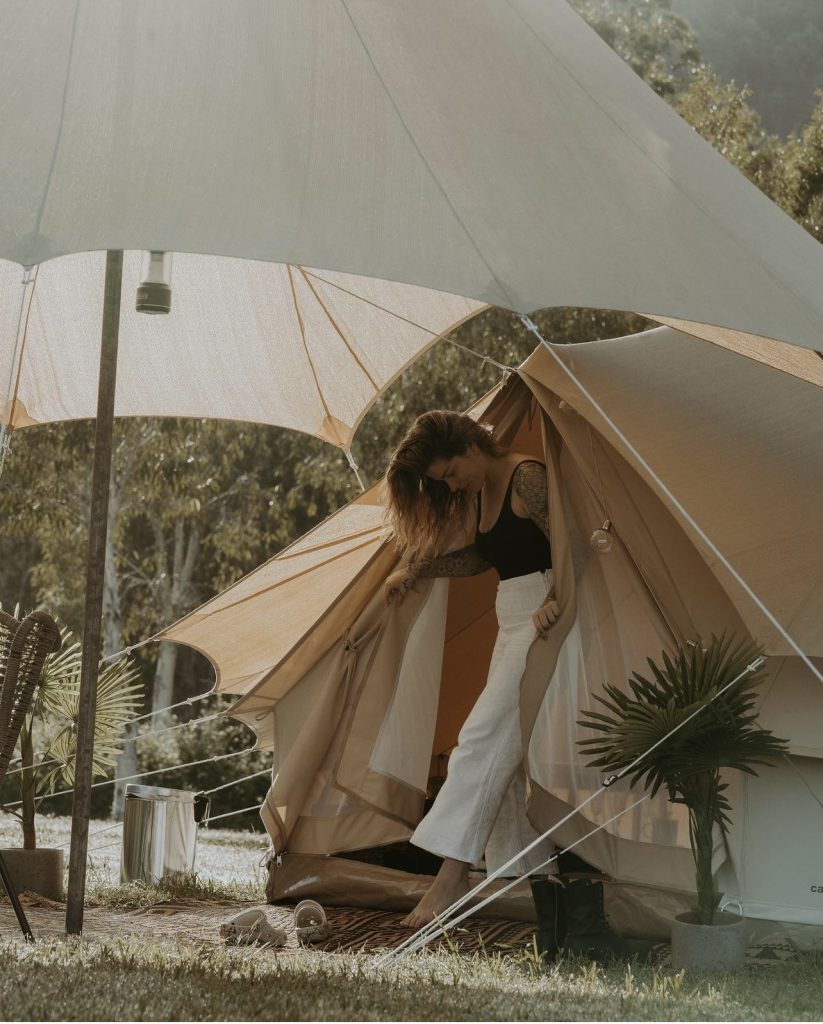
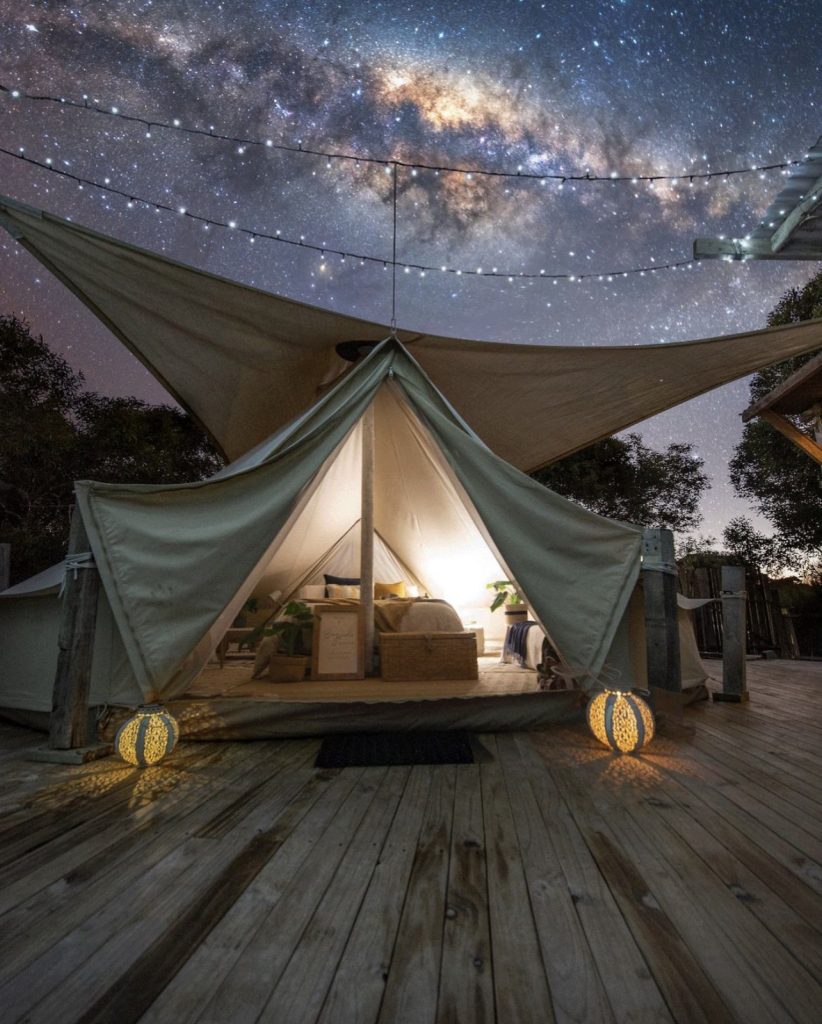
Coir matting can add warmth and texture while giving the interior a beautifully finished glamping aesthetic. An additional groundsheet beneath the tent can help protect the sewn-in floor and keep it cleaner.
Allow room for luggage, wet shoes and everyday guest belongings. The listing photographs may show a perfectly styled space, but the tent still needs to function once two suitcases and several jackets arrive.
Photography matters enormously
For a small accommodation business, professional photography is one of the most important marketing investments.
Photograph:
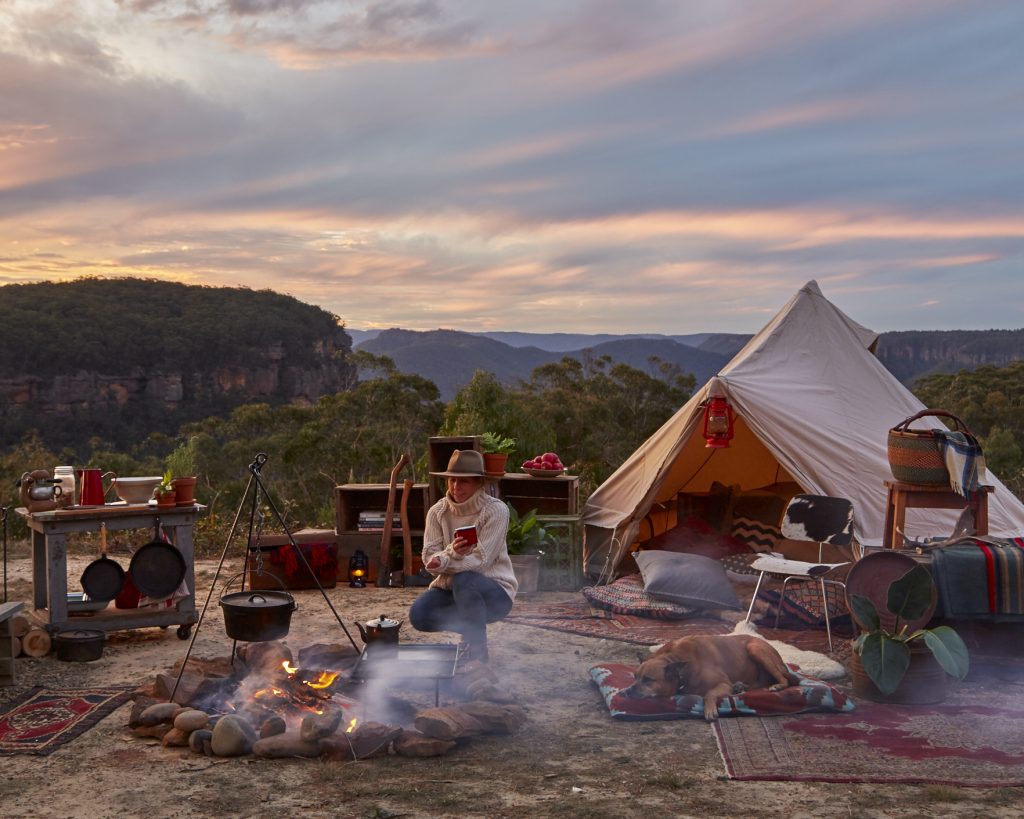
- The tent within the wider landscape
- The view from the entrance
- The bed and interior
- Bathroom facilities
- Private outdoor areas
- The arrival path
- Evening lighting
- Seasonal details
- Food, fire or bathing experiences
- The privacy between tents
Avoid photographing only the interior. The property and sense of place are usually the strongest reasons to book.
Your photographs should also be accurate. Guests are more likely to leave positive reviews when the experience matches—or exceeds—the expectations created online.
Use the first guests to improve the business
Your earliest guests can provide extremely useful information.
Ask:
- Was the arrival process clear?
- Did the tent feel private?
- Was the temperature comfortable?
- Was anything missing?
- Did they understand how to use the facilities?
- Was the bathroom convenient?
- Which part of the stay felt most memorable?
- Would they recommend it—and why?
- What would have made the experience better?
Look for patterns rather than reacting dramatically to one personal preference.
If several guests mention heat, insects, unclear directions or a lack of storage, that feedback should guide your next investment.
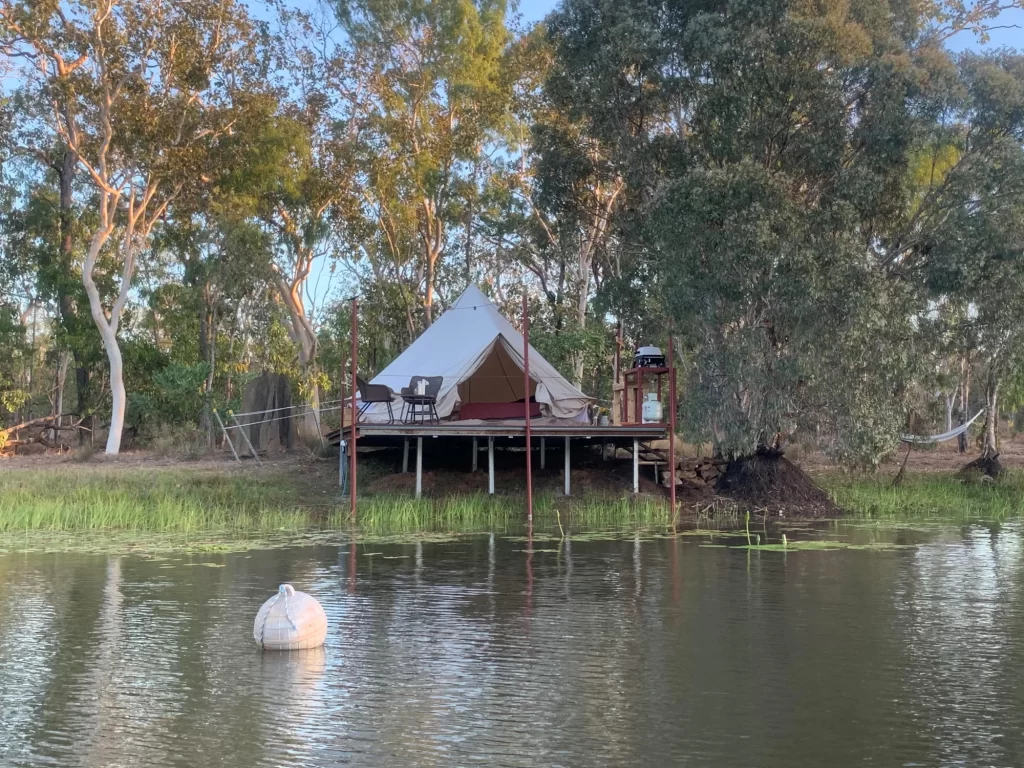
Build reviews before you expand
A smaller number of tents makes it easier to focus on consistency.
Before adding more accommodation, aim to establish:
- A reliable cleaning and inspection routine
- Clear guest instructions
- Strong photographs
- Positive reviews
- Realistic occupancy data
- A maintenance schedule
- Proven pricing
- Smooth booking and communication systems
- A clear understanding of your busiest and quietest periods
Good reviews give a later expansion credibility. They can also help demonstrate which parts of the experience guests value enough to pay for.
A second or third tent should add to a proven operation—not distract from unresolved problems in the first.
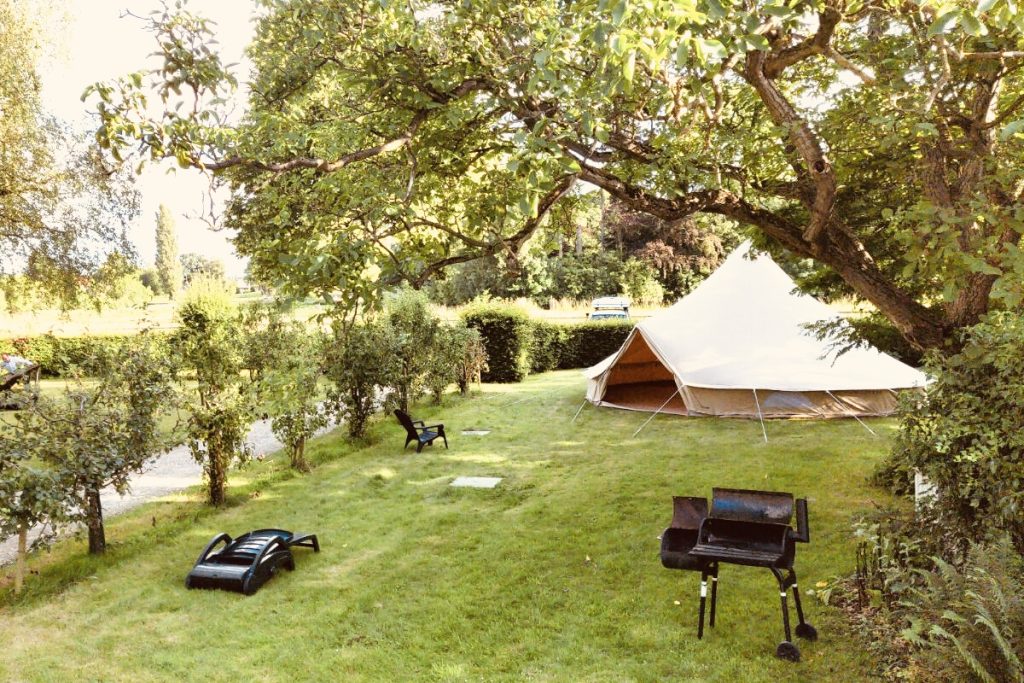
When should you consider adding more tents?
Expansion may be worth investigating when:
- The existing tents are frequently booked
- You are regularly turning suitable guests away
- Reviews are consistently strong
- Cleaning and maintenance systems are working
- The business produces a sustainable return
- The site can accommodate more tents without sacrificing privacy
- Additional approvals and infrastructure are achievable
- You still have the capacity to maintain the guest experience
Do not assume that more tents will automatically produce proportionally more profit.
Additional accommodation may require more bathrooms, parking, wastewater capacity, staffing, emergency planning and shared facilities. It may also change the planning classification or approval requirements for the property.
Sometimes one beautifully operated tent is a stronger business than several inconsistent ones.
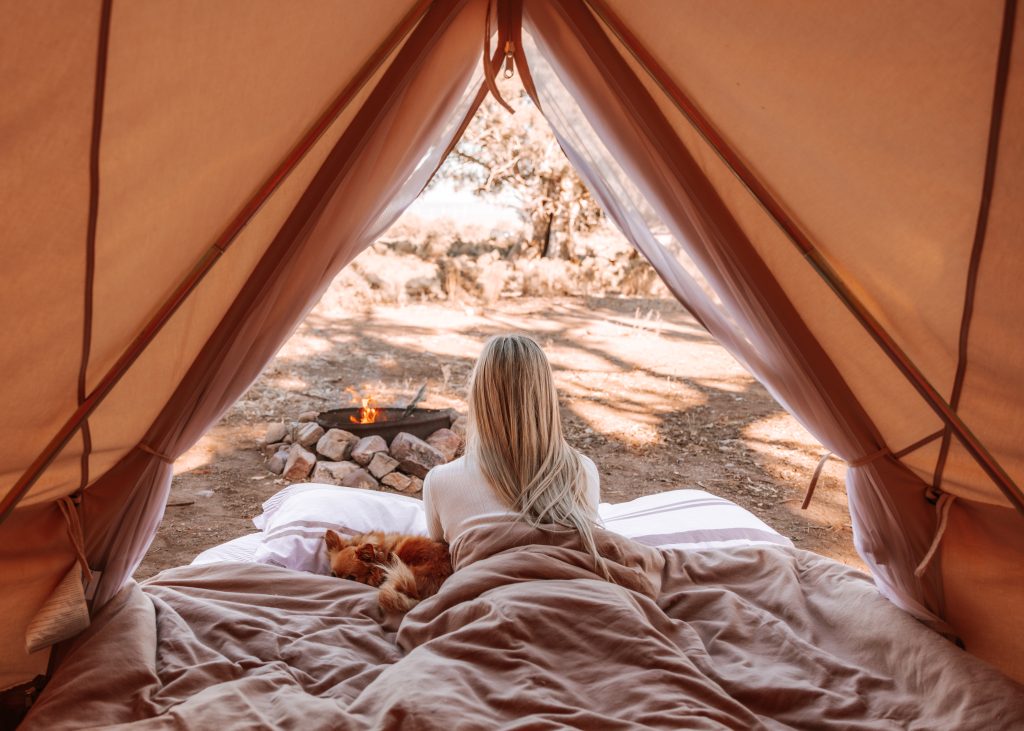
Common mistakes to avoid
Small-scale operators can reduce risk by avoiding several common errors:
- Purchasing a tent before checking approvals
- Choosing the view without investigating drainage or wind
- Underestimating bathroom and wastewater costs
- Assuming the tent can remain erected indefinitely without maintenance
- Spending heavily on styling while neglecting access and guest comfort
- Offering insufficient privacy between tents
- Using unrealistic occupancy assumptions
- Failing to budget for cleaning, booking commissions and repairs
- Installing furniture directly against the canvas
- Having no plan for severe weather
- Expanding before the first tent has proved itself
- Describing the accommodation as “luxury” without delivering the expected comfort and service
Careful planning is less exciting than choosing furniture—but it is what gives the business a sound foundation.
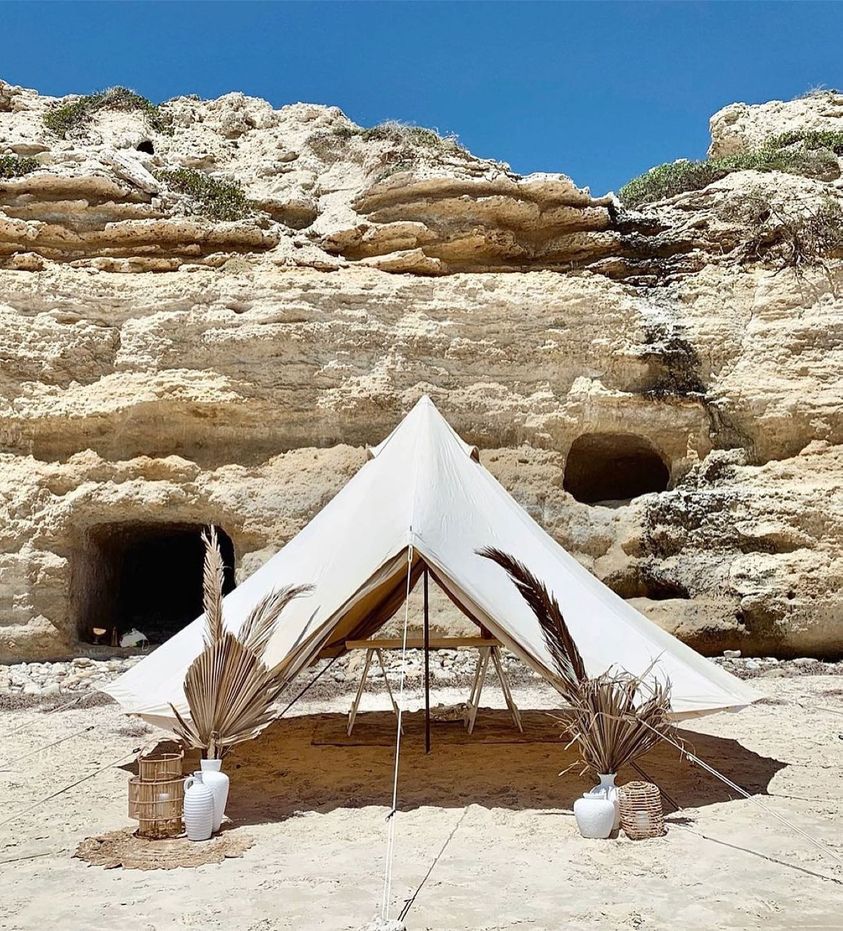
Start small, but start professionally
Yes, it is possible to begin a glamping business with just one or two tents.
For the right property, a small scale can become part of the attraction. Guests may value knowing that they will not be surrounded by a busy resort or sharing the landscape with numerous other visitors.
Starting small allows you to learn, refine the experience and establish demand before committing to a larger development.
The key is to treat the first tent as a real accommodation business—not an informal experiment.
Investigate approvals. Understand the costs. Choose the site carefully. Identify your ideal guest. Invest in a tent suited to the intended use. Create an experience connected to the property, and maintain it beautifully.
You do not need to start with ten tents.
You need to start with a thoughtful plan and an experience guests will want to return to, photograph and recommend.
At Breathe Bell Tents, we can assist with choosing a bell tent and accessories for your proposed commercial setup, including our Apex Professional Series, protectors, inner tents, flooring and replacement components.
Planning a farm stay, winery retreat or small glamping business? Contact us and tell us how you intend to use the tent. For commercial projects, please request a quotation, as glamping discounts may be available.
Further reading
- Do You Need Council Approval for a Glamping Tent? What Australian Operators Should Check Before Investing
- How to Keep Your Glamping Tents Guest-Ready—and Review-Ready
- Can You Air Condition a Bell Tent? The Complete Guide to Staying Cool in Summer
- The Complete Bell Tent Buying Guide
- Tourism Research Australia: Caravan and Camping Data